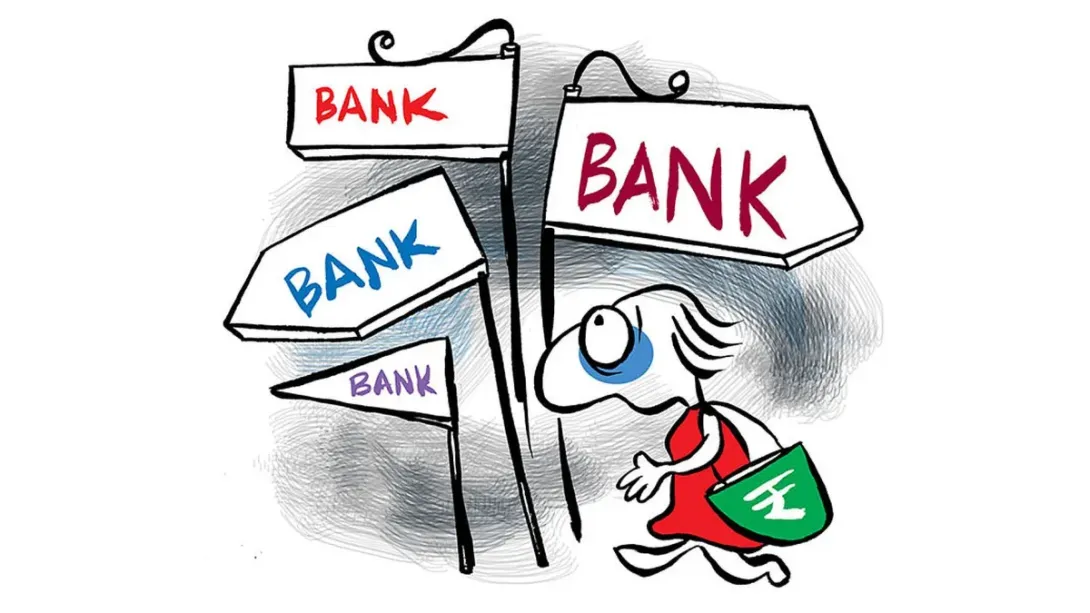
The Reserve Bank of India (RBI) has reiterated that sustainable financial inclusion cannot be achieved without robust financial literacy among citizens. While expanding access to banking services, credit facilities, and digital payments is essential, the central bank emphasized that education in financial planning, responsible borrowing, and risk awareness is equally critical. The RBI’s stance highlights the need for coordinated efforts among regulators, financial institutions, and policymakers to equip individuals—especially in rural and underserved areas—with the knowledge to make informed decisions. The move aligns with India’s broader economic growth strategy, aiming to build a financially aware and resilient population.
Financial Literacy as the Foundation
The RBI underscored that mere access to financial products is insufficient if individuals lack the ability to use them effectively. Financial literacy empowers people to evaluate options, understand terms, and manage risks, thereby reducing vulnerability to exploitation and over-indebtedness. This education, according to the central bank, is vital for integrating citizens into the formal financial system sustainably.
Bridging the Urban-Rural Divide
While financial services have expanded significantly through bank branches, microfinance institutions, and digital platforms, rural and semi-urban populations often remain underserved in knowledge. The RBI stressed the need for localized awareness campaigns, vernacular content, and on-ground training programs to ensure that financial concepts are accessible to all demographic segments.
Digital Inclusion and Responsible Use
The surge in digital transactions has brought convenience but also heightened risks such as cyber fraud and identity theft. The RBI highlighted that digital literacy—covering safe online banking practices and fraud detection—is now a critical subset of financial literacy. This is particularly important as India moves toward a cash-light economy.
Collaborative Approach for Impact
The central bank called for collaboration among banks, fintech companies, and government agencies to create comprehensive financial education frameworks. By integrating literacy programs into school curricula, community workshops, and digital learning modules, India can ensure that financial inclusion efforts have a lasting impact.
Long-Term Economic Benefits
Well-informed citizens are more likely to save, invest, and participate actively in economic growth. The RBI believes that widespread financial literacy will not only strengthen household financial security but also contribute to a more stable and efficient financial system in the long run.
Comments