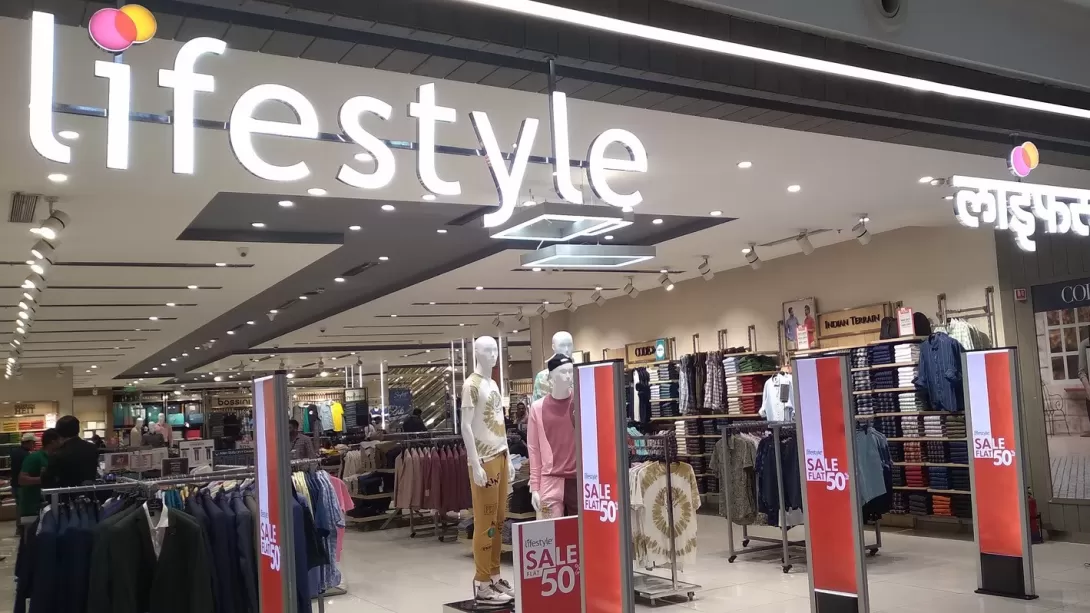
Flipkart is set to offload its entire 6% stake in Aditya Birla Fashion and Retail Ltd (ABFRL) through a block deal, in a strategic move aimed at streamlining its investment portfolio. The transaction, expected to be managed by global investment bank Goldman Sachs, is estimated at approximately Rs. 566 crore (US$68 million), with a proposed floor price of Rs. 79.5 per share—reflecting a 7.6% discount to ABFRL’s last traded price. This divestment signals a broader capital reallocation strategy as Flipkart sharpens its focus on core retail and logistics operations amid India’s fast-evolving digital commerce ecosystem.
Flipkart’s Strategic Exit from ABFRL
E-commerce major Flipkart, owned by U.S. retail giant Walmart, is preparing to divest its entire 6% equity stake in Aditya Birla Fashion and Retail Ltd, one of India’s leading fashion conglomerates. The stake, held under the entity Flipkart Investments Private Ltd, is being offloaded via a block deal, according to industry insiders familiar with the development.
While neither Flipkart nor Goldman Sachs—the appointed deal advisor—has officially commented on the transaction, the decision appears to be a calculated capital reallocation strategy, consistent with Flipkart’s evolving focus on streamlining its investment exposure and reinforcing its direct-to-consumer infrastructure.
Transaction Details and Valuation Metrics
The block deal is structured at a floor price of Rs. 79.5 per share, which implies a discount of roughly 7.6% to ABFRL’s last closing price on the stock exchange. Based on current market data and the size of Flipkart’s stake, the total offer value of the transaction stands at approximately US$68 million (roughly Rs. 566 crore).
Block deals typically attract institutional investors and are executed through a single transaction during trading hours. The pricing strategy suggests that Flipkart may be seeking swift execution over price maximization—perhaps to capitalize on favorable market liquidity or to exit non-core investments ahead of strategic reorientation.
A Strategic Move Amid Portfolio Consolidation
Flipkart’s exit from ABFRL comes at a time when digital commerce companies are reassessing their investment books to enhance operational efficiency and liquidity. The move is in line with the broader industry trend of focusing on vertical integration and tightening capital allocation to areas with direct strategic value.
While Flipkart’s initial investment in ABFRL signaled a synergistic approach to blending offline and online retail ecosystems, especially in the fashion segment, the latest move may indicate a pivot back toward core competencies—particularly in light of intensifying competition in Indian e-commerce and rising investor pressure for profitability.
Aditya Birla Fashion: A Snapshot of Performance
Aditya Birla Fashion and Retail has emerged as a dominant player in India’s fashion retail space, with a diverse portfolio that includes brands such as Pantaloons, Van Heusen, Allen Solly, and international labels like Ralph Lauren and Ted Baker. Its multichannel presence and consistent brand equity make it an attractive bet for long-term investors.
Despite recent market volatility, ABFRL has shown resilience in post-pandemic recovery, recording improved revenues and profitability metrics. While the discount offered in the block deal may seem steep, institutional interest in ABFRL remains intact, given its scale, brand mix, and robust retail network.
Implications for Flipkart and Indian Retail
Flipkart’s decision to monetize its ABFRL stake is not merely a financial maneuver—it also reflects a recalibrated growth strategy as the company readies itself for the next phase of e-commerce expansion in India. With rising adoption of digital payments, the emergence of ONDC (Open Network for Digital Commerce), and intensifying regional competition from Reliance Retail and Amazon, Flipkart’s focus is expected to tilt toward technology innovation, supply chain optimization, and core retail investments.
For ABFRL, the exit of Flipkart as a stakeholder opens the door for new strategic investors or institutions looking for exposure to India’s rapidly growing branded apparel segment.
Conclusion: Portfolio Precision in a Competitive Landscape
In a market defined by rapid evolution and intensifying competition, Flipkart’s decision to exit ABFRL through a Rs. 566 crore block deal underscores the necessity of portfolio precision. The move highlights a shift in strategy—from diversification to consolidation—and serves as a case study in how major digital firms are adapting their investment philosophies in response to emerging economic realities.
While the short-term impact on ABFRL's share price may be limited by the discounted offer, the long-term implications for both companies will depend on how effectively they navigate the changing landscape of Indian retail and digital commerce.
Comments