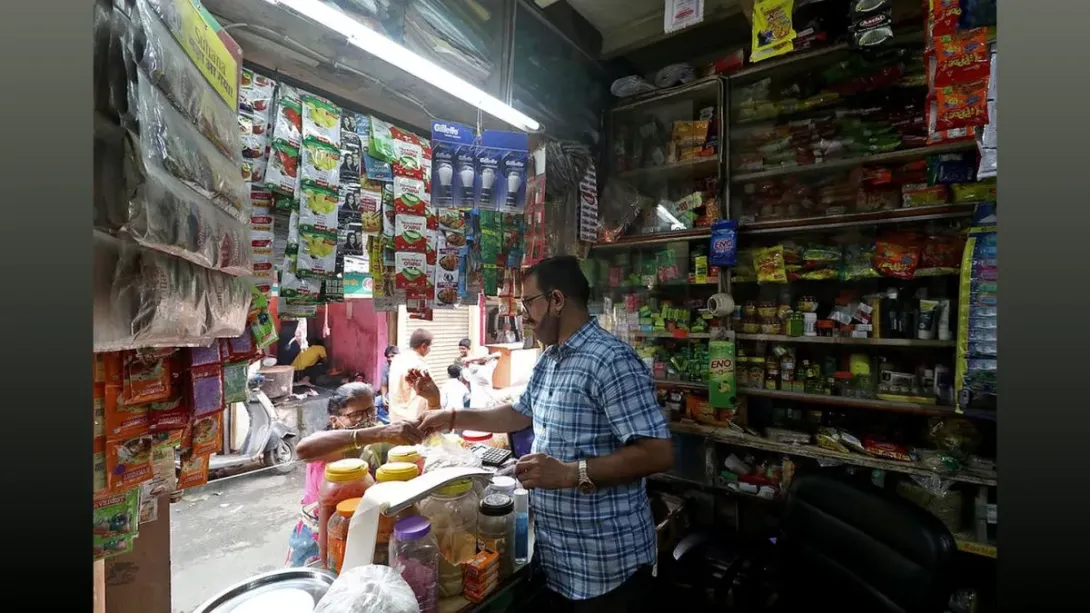
India’s fast-moving consumer goods (FMCG) industry is experiencing a measurable cooling in sales momentum following the recent restructuring of the Goods and Services Tax (GST) slabs, according to fresh insights from NielsenIQ. The sector, which had demonstrated resilience despite inflationary pressure and uneven rural recovery, is now adjusting to shifting price dynamics and consumer sentiment. Retailers and manufacturers are witnessing slower off-take across several essential categories as buyers recalibrate spending. The trend highlights the sensitivity of mass-consumption markets to taxation changes and underscores the need for careful policy implementation to safeguard demand stability.
GST Rejig Triggers Market Adjustment
The latest GST realignment has emerged as a key variable affecting the FMCG landscape. According to NielsenIQ’s assessment, changes in tax rates across multiple product lines have led to recalibrated pricing strategies among manufacturers. While some categories experienced upward revision, others saw marginal reductions—resulting in consumer confusion and delayed purchase decisions in the short term.
Retailers across urban and semi-urban markets report that customers are becoming more cautious, often comparing prices more closely or postponing bulk purchases. This shift is translating into slower shelf movement and softer primary sales across several FMCG segments.
Impact Across Categories
The slowdown is not uniform but extends across various staples and discretionary products. Essentials such as packaged foods, personal care, and household cleaning items have seen muted growth due to price realignments and altered retailer stocking patterns.
Industry executives note that when tax changes affect a high-volume sector like FMCG, even minor adjustments can have outsized ripple effects. Distributors are also reassessing their inventory, especially in categories where revised GST rates have pushed up end-consumer pricing.
Rural Markets Show Heightened Sensitivity
While urban markets remain relatively stable, rural areas—traditionally more price-sensitive—are exhibiting sharper declines. With disposable incomes still recovering, consumers in these regions are opting for smaller packs or shifting temporarily to unbranded alternatives.
The deceleration in rural demand is particularly concerning for FMCG firms, as the segment accounts for a substantial share of the country’s overall consumption. NielsenIQ warns that unless price stability returns, the rural slowdown may overshadow the modest recovery observed earlier in the year.
Manufacturers Respond With Revised Strategies
In response to the evolving conditions, companies are recalibrating their strategies by offering promotional incentives, tweaking grammage, and accelerating their focus on value-driven product lines. Some brands are also exploring supply-chain efficiencies to absorb part of the cost impact without passing the full burden to consumers.
Industry analysts believe that companies may take several quarters to fully adjust to the new pricing environment. Meanwhile, marketing campaigns emphasizing affordability and value are expected to intensify.
Outlook: Stabilization Likely but Slow
Despite the current deceleration, experts anticipate that FMCG sales will stabilize once the market adjusts to the new GST structure. Consumer behavior tends to normalize as awareness improves and price expectations reset. However, the pace of recovery will depend on inflation trends, rural income growth, and the broader economic environment.
For now, NielsenIQ’s findings serve as a reminder of the delicate balance between fiscal policy and demand-driven sectors. As India’s consumption engine recalibrates, manufacturers and policymakers alike will be watching closely for signs of renewed momentum.
Comments