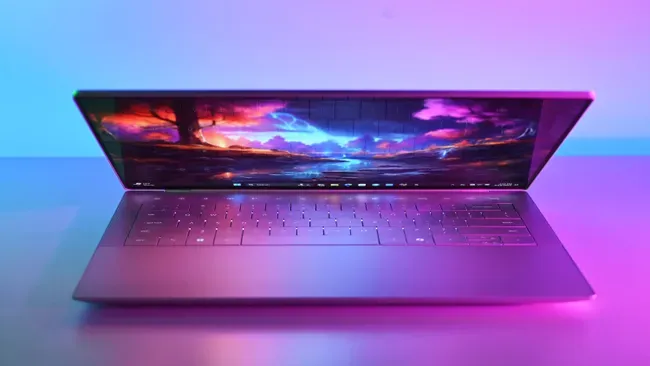
Microsoft’s Windows operating system, now marking its 40th anniversary, has evolved from a simple graphical shell running on floppy disks to a sprawling, AI-driven ecosystem powering billions of devices worldwide. Over the decades, Windows has shaped productivity, business operations, and personal computing culture. Its journey captures the broader transformation of technology—from command-line interfaces to cloud connectivity and intelligent automation. As Microsoft integrates advanced AI into Windows, the platform is shifting once again, positioning itself at the center of next-generation computing. The anniversary highlights not just a milestone in software history, but also the beginning of a new era defined by intelligent systems.
---
1. The Humble Beginnings: Floppies, DOS, and a New Computing Vision
When Microsoft launched the first version of Windows in 1985, personal computing was still dominated by text-based interfaces. Users navigated their machines through typed commands, often memorizing long strings of instructions. Windows changed that paradigm. It introduced a graphical interface that could run atop MS-DOS, offering icons, menus, and windows that allowed users to navigate more intuitively.
Early versions loaded from multiple floppy disks, ran on limited memory, and delivered a simple but groundbreaking experience. Yet even in this minimalist form, Windows symbolized the democratization of computing—bringing accessible interfaces to offices and homes that had previously relied on steep learning curves.
---
2. Scaling Into the Mainstream: The Rise of Consumer and Enterprise Computing
By the 1990s, Windows had become the backbone of the global PC market. Versions such as Windows 3.1, Windows 95, and Windows 98 introduced transformative features including multitasking, the Start menu, and built-in Internet support. These updates fueled explosive adoption as businesses worldwide standardized operations on Windows devices.
The operating system’s architecture matured as well, with deeper support for networking, more robust security layers, and the integration of enterprise-grade applications. Windows became the default platform for productivity tools, databases, and corporate applications, solidifying Microsoft’s dominance in both personal and professional settings.
---
3. The Modernization Era: Cloud Services, Security, and Seamless Mobility
With the launch of Windows XP and later Windows 7, Microsoft refined stability and user experience, delivering cleaner interfaces and stronger performance. These operating systems became some of the longest-running and widely used in history.
In the 2010s, Microsoft pivoted again—this time toward cloud integration. Windows 10 embraced cloud authentication, synced settings across devices, and positioned Microsoft 365 as the center of modern productivity. Enterprises began shifting infrastructure toward cloud-based solutions, and Windows adapted by becoming a bridge between hardware, software, and cloud platforms.
Security also became a strategic priority. Windows introduced built-in protections, encrypted file systems, and AI-enhanced threat detection to counter the growing sophistication of cyberattacks.
---
4. Enter the AI Era: Windows Reinvents Itself Once More
Forty years after its debut, Windows is undergoing another foundational shift—this time driven by artificial intelligence. The platform no longer serves merely as an operating system; it has become an intelligent environment.
Microsoft has embedded AI models directly into Windows through tools such as Copilot, transforming how users interact with applications, manage tasks, and generate content. AI now assists in summarizing documents, automating workflows, analyzing data, and organizing information across devices. Hardware is evolving in parallel, with new AI-optimized chips enabling faster local processing.
This transition reflects how computing is changing globally. Instead of relying on manual input or menus, users increasingly collaborate with dynamic AI systems capable of interpreting intent and adapting to real-time needs.
---
5. A Foundation for the Future: What the Next Decades May Hold
As Windows enters its fifth decade, its trajectory suggests continued integration of adaptive intelligence, cloud orchestration, and ambient computing. The operating system is gradually shifting from a static interface to an evolving, personalized assistant capable of proactive decision-making.
For businesses, the implications are profound. AI-driven workflows can reduce operational bottlenecks, strengthen cybersecurity resilience, and increase productivity through predictive insights. For consumers, Windows aims to create frictionless digital environments where AI manages mundane tasks, freeing users to focus on creativity and decision-making.
Despite intense competition from mobile platforms and alternative operating systems, Windows remains at the heart of global computing. Its ability to continuously reinvent itself is the biggest reason it has stayed relevant for 40 years—and why it will likely continue shaping the technological landscape in the decades ahead.
Comments