Kesoram Industries, one of India’s oldest conglomerates with deep legacy ties to the Birla family, is set for a significant ownership shift as the promoters formally exit the company. Frontier Warehousing, backed by the Edelweiss Group, has taken control through a series of transactions that transfer management influence and stake ownership. The development marks the end of an era for the storied industrial house while opening a new chapter for the company’s cement and allied businesses. The move also reflects evolving capital-allocation strategies among legacy Indian conglomerates balancing diversification pressures with the need for financial restructuring.
Birla Legacy Draws to a Close
In a strategic transition that signals the culmination of a century-old association, the Birla family has formally stepped away from Kesoram Industries. The promoters relinquished control as part of a restructuring plan, paving the way for Frontier Warehousing Pvt. Ltd.—a firm supported by the Edelweiss Alternative Asset Advisors platform—to assume majority influence.
The exit underscores a broader trend among traditional business houses seeking to streamline operations, retire debt, and realign portfolios toward higher-growth or more synergistic sectors. Kesoram, long known for its cement and rayon businesses, had been working to strengthen its balance sheet amid slowing cash flows and competitive sectoral pressures.
Frontier Warehousing Assumes the Helm
Frontier Warehousing’s acquisition marks a notable move for the alternative-investment firm as it deepens its presence in distressed and turnaround opportunities. The entity now holds a significant ownership position, giving it effective control over the company’s strategic direction.
Its takeover is expected to bring operational discipline, capital infusion, and a sharper focus on value recovery. Analysts suggest that the new owners may prioritize balance-sheet repair and operational modernization—critical steps for unlocking the potential of the company’s manufacturing assets.
A New Strategic Direction for Kesoram
With the change in control, Kesoram Industries is poised for a comprehensive transformation. The company’s mainstay cement operations are expected to undergo modernization and capacity optimization, while non-core assets may be evaluated for divestment to reinforce financial stability.
Leadership changes are also expected, with the new promoters likely to appoint industry professionals to drive strategic restructuring. The shift could position Kesoram to operate with greater agility in a sector dominated by high-capacity, efficiently run players.
Market Implications and Financial Outlook
The acquisition has sparked interest in the investment community, given the turnaround potential embedded within Kesoram’s assets. While the company has been weighed down by debt and inconsistent earnings, the new promoter’s track record in asset resolution offers scope for revival.
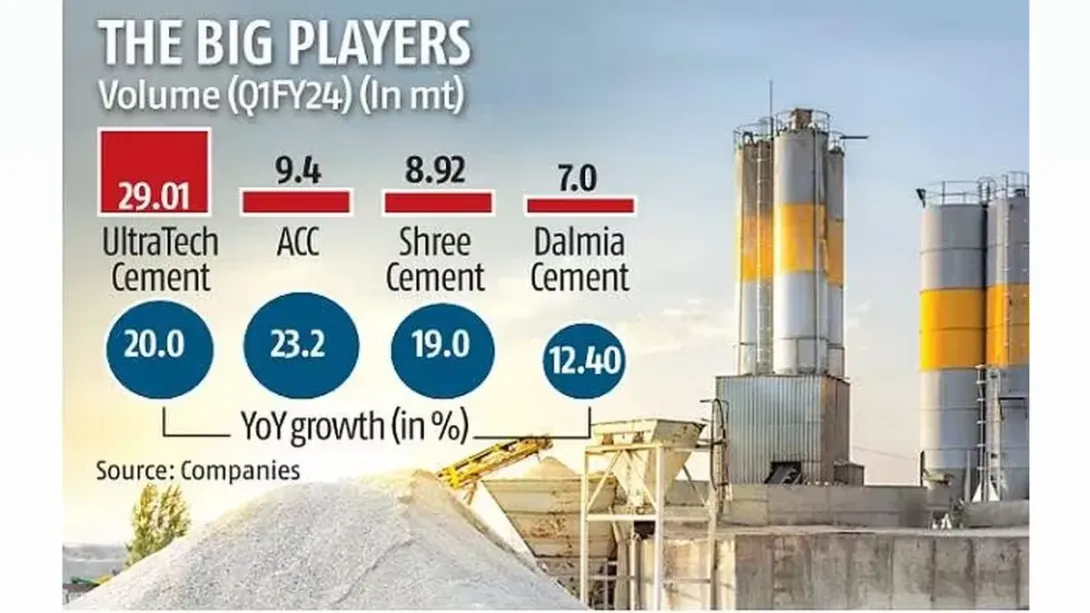
For investors, the development signals a possible re-rating opportunity, contingent on the speed and effectiveness of restructuring measures. Market observers note that the cement sector’s long-term demand fundamentals remain strong, driven by infrastructure expansion, housing demand, and government capex.
An Era Ends, and Another Begins
The Birla family’s exit from Kesoram Industries marks the end of one of India’s most enduring industrial legacies, yet it also reflects a modern corporate landscape where capital efficiency and strategic focus shape long-term success. Frontier Warehousing’s entry represents a fresh chapter—one that blends financial discipline with operational turnaround ambitions.
As Kesoram moves forward under new stewardship, its ability to adapt, innovate, and reclaim market relevance will determine how effectively the company reinvents itself in a competitive manufacturing ecosystem.
Comments