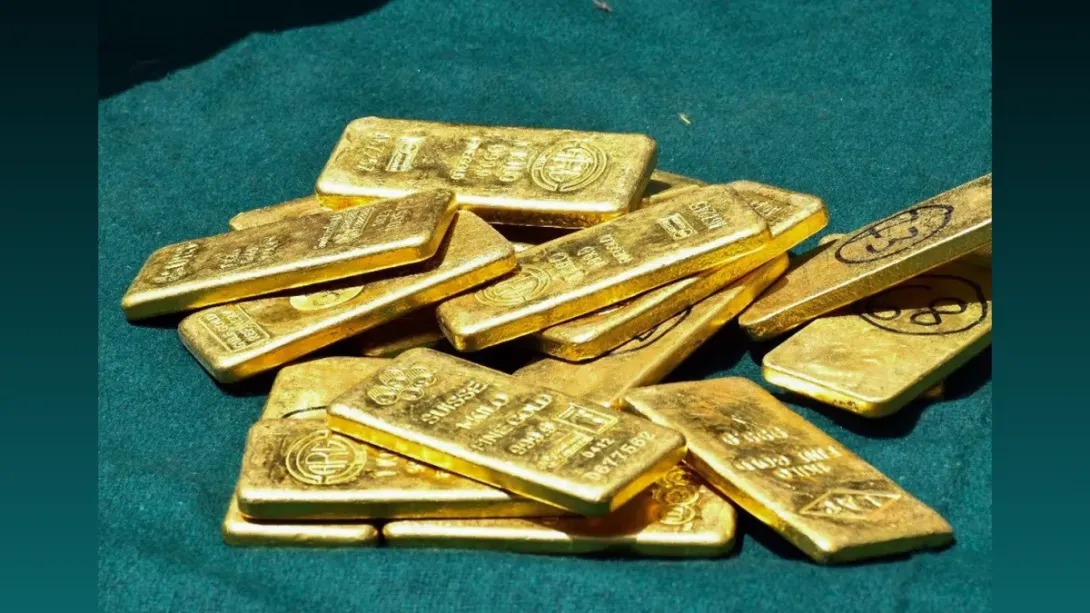
Gold prices in India surged sharply on Saturday, reaching an all-time high of Rs. 98,770 per 10 grams. This significant uptick is attributed to escalating geopolitical risks, persistent inflation concerns, and growing investor appetite for safe-haven assets. Amid global market turbulence and ongoing uncertainty surrounding interest rate decisions in major economies, the yellow metal has once again proven its resilience. The rally in domestic prices also reflects strong international trends, a weakening rupee, and sustained retail demand. Analysts believe that if macroeconomic pressures persist, gold could cross the Rs. 100,000 threshold in the near term.
A Surge Fueled by Global Volatility
The dramatic rise in gold prices reflects broader instability across global financial markets. Mounting geopolitical tensions—particularly in Eastern Europe and the Middle East—have steered institutional and retail investors alike toward gold as a reliable store of value. The metal's upward momentum is also underpinned by inflationary pressures in developed economies, where central banks remain cautious in their approach to interest rate cuts.
In the U.S., expectations that the Federal Reserve may delay its anticipated rate reduction cycle have sparked volatility in equity and bond markets, inadvertently strengthening the appeal of non-yielding assets such as gold. These global cues, combined with a relatively weaker Indian rupee, have amplified the price rally in domestic bullion markets.
Domestic Dynamics at Play
In India, the world's second-largest gold consumer, the price of 24-carat gold touched Rs. 98,770 per 10 grams—a record level fueled by strong local demand ahead of the upcoming festive and wedding seasons. Bullion dealers in major metropolitan centers such as Mumbai, Delhi, and Chennai reported a spike in inquiries and pre-bookings, indicating sustained interest among both retail buyers and institutional investors.
The rise in prices has also been supported by limited physical supply, which has further driven premiums in the spot market. With the government maintaining a high import duty on gold, domestic traders are facing margin pressures, indirectly contributing to the elevated retail rates.
Investment Perspective and Market Outlook
From an investment standpoint, gold continues to be a compelling hedge against economic uncertainty. The metal has delivered over 18% returns year-to-date, outperforming many traditional assets including equities and bonds. Portfolio managers and wealth advisors are increasingly recommending a higher allocation toward gold and other precious metals, especially as central banks around the world diversify their reserves away from fiat currencies.
Looking ahead, if geopolitical tensions persist and inflation remains stubborn, gold may test the psychological benchmark of Rs. 100,000 per 10 grams. However, any sharp easing of global risk factors or stronger-than-expected economic data from the U.S. could temper the metal's ascent.
Final Thoughts
The ascent of gold prices to Rs. 98,770 per 10 grams is emblematic of the complex economic crosscurrents shaping today’s financial environment. In times of market unease, gold remains a beacon of stability—both for conservative savers and savvy investors. As the world navigates an era of uncertainty, the precious metal’s role as a safe-haven asset is once again being reaffirmed.
Would you like a version of this for social media or in a more casual tone for retail investors?
Comments