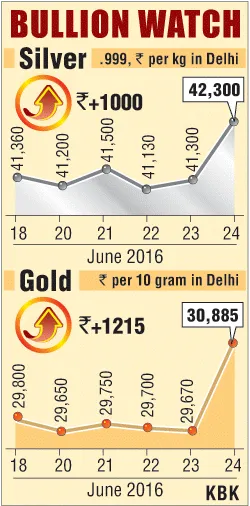
Gold prices in Delhi have experienced a notable decline after reaching record highs, reflecting shifts in global commodity trends and domestic market dynamics. The recent correction comes amid easing inflation expectations, a stronger rupee, and subdued demand from jewelers and investors following the peak rally. Analysts suggest that while gold remains a preferred hedge against economic uncertainty, short-term volatility is likely as markets recalibrate after unprecedented price movements. The dip provides both caution and opportunity for investors and consumers, highlighting the sensitive interplay between international bullion trends, currency fluctuations, and domestic buying patterns.
Recent Trends in Gold Prices
After weeks of sustained gains, gold prices in Delhi have moderated, reversing some of the record-level surges witnessed earlier. The correction aligns with international market trends, where bullion prices have slightly softened due to adjustments in investor sentiment, interest rate expectations, and global liquidity conditions. In Delhi, local trading has reflected these changes, with jewelers adjusting retail rates and smaller investors exercising caution amid price volatility.
Factors Driving the Price Correction
Several key factors have contributed to the recent decline in gold prices:
- Strengthening Rupee: A moderately stronger rupee has reduced the domestic cost of imported gold, easing pressure on local prices.
- Global Market Adjustments: International gold markets have seen minor pullbacks after hitting multi-year highs, impacting domestic valuations.
- Demand Moderation: Post-rally, demand from jewelers and retail buyers has softened, as consumers reassess purchases in light of elevated prices.
Implications for Investors and Consumers
For investors, the dip offers a potential entry point after a period of significant price escalation, though volatility remains a key consideration. For consumers and the jewelry sector, the correction provides temporary relief in terms of affordability, especially ahead of festival and wedding seasons. Analysts note that while gold remains a critical hedge against inflation and economic uncertainty, short-term price swings are increasingly influenced by macroeconomic indicators and global monetary policies.
Outlook
Market experts anticipate that gold prices will continue to exhibit cyclical volatility, influenced by factors such as interest rate movements, geopolitical developments, and domestic consumption patterns. While the recent decline may be temporary, it underscores the importance of strategic timing for both investment and purchasing decisions in the gold market.
Comments