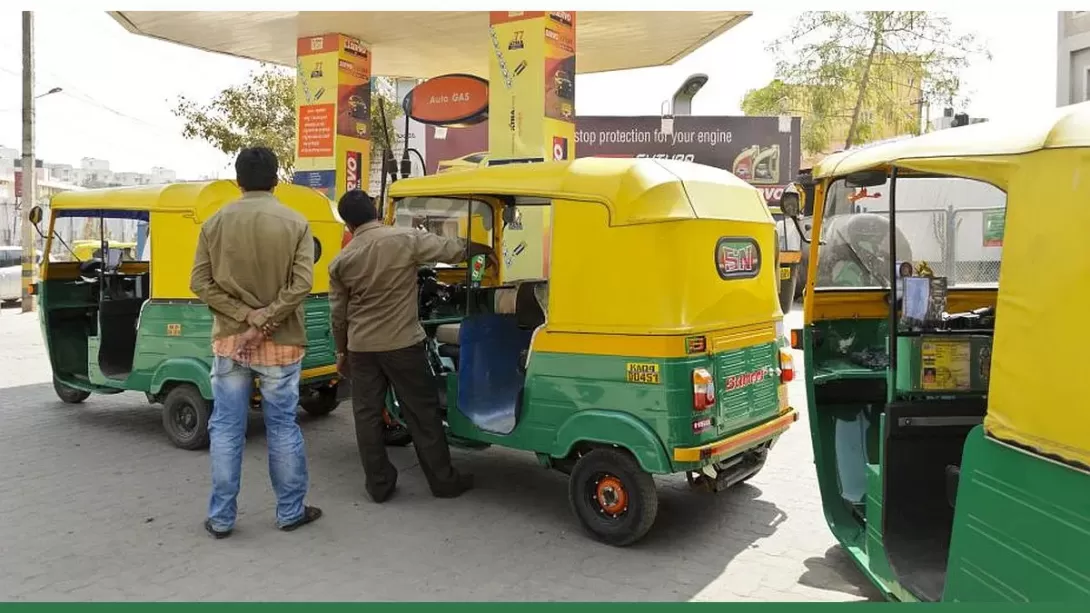
After two years, the Indian government has reduced the price of natural gas used for producing compressed natural gas (CNG) and piped cooking gas, reflecting a decline in global oil benchmarks. The price for gas from legacy fields allocated to state-owned Oil and Natural Gas Corporation (ONGC) has been lowered from USD 6.75 to USD 6.41 per million British thermal units (mmBtu). This adjustment, announced by the Petroleum Planning and Analysis Cell (PPAC), will benefit city gas distributors who had been grappling with rising input costs. The move also underscores ongoing efforts to balance pricing with global market trends while ensuring affordability for consumers.
Background and Pricing Mechanism
India’s natural gas pricing framework underwent a significant shift in April 2023 when the Union Cabinet adopted a monthly pricing formula for Administered Price Mechanism (APM) gas sourced from legacy fields. Prior to this, APM gas prices—comprising nearly 70% of domestic gas production—were revised biannually based on averages from international gas hubs.
The new formula prices APM gas at 10% of the monthly average import price of crude oil, with a floor price of USD 4 and an initial cap of USD 6.50 per mmBtu. The cap was scheduled to remain fixed for two years before increasing by USD 0.25 annually. Reflecting market volatility, the cap was raised to USD 6.75 per mmBtu in April 2025.
Despite the formula producing prices between USD 7.29 and USD 9.12 during the initial period, the cap ensured prices remained controlled. For example, in May 2025, the formula-based price was USD 6.93, but the capped price for consumers was maintained at USD 6.75.
Recent Price Reduction and Its Implications
The latest revision marks the first price reduction since the formula's implementation. With international crude oil prices softening—India’s crude basket averaged approximately USD 64 per barrel in May 2025—the derived APM gas price decreased to USD 6.41 per mmBtu on a gross calorific value basis.
Accordingly, PPAC announced that from June 1 to June 30, 2025, ONGC and Oil India Ltd (OIL) will price gas from their nominated fields at USD 6.41 per mmBtu. This represents a meaningful easing from the previous rate of USD 6.75, directly benefiting downstream city gas distributors such as Indraprastha Gas Ltd, Mahanagar Gas Ltd, and Adani Total Gas Ltd.
These distributors had faced significant cost pressures due to rising input costs, which threatened their margins and, by extension, affordability for consumers relying on CNG for vehicles and piped natural gas for cooking.
Impact on New Well Gas Pricing and Industry Dynamics
The reduction in benchmark prices also influences gas produced from newly drilled wells within APM fields. ONGC is permitted to price such gas at 12% of crude oil prices to recoup capital expenditures associated with exploration and drilling. Given that about 5 million standard cubic meters per day—approximately 10% of ONGC’s gas production—comes from these new wells, this pricing adjustment carries substantial implications.
By reducing gas prices across both legacy and new wells, the government is balancing industry incentives for exploration with the necessity to manage consumer costs amid fluctuating global energy markets.
Broader Market Context and Future Outlook
APM gas pricing has experienced wide fluctuations historically, from a low of USD 1.79 per mmBtu in 2021 to a peak of USD 8.57 in the six-month period ending March 2023. This volatility prompted the government’s shift to a monthly revision system with defined price floors and ceilings, aimed at providing predictability and market stability.
Meanwhile, gas from challenging reservoirs such as Reliance Industries’ KG-D6 block remains priced higher, at USD 10.04 per mmBtu for the six months starting April 2025, reflecting extraction complexities and cost structures.
Looking ahead, the cap on APM gas prices is slated to rise by USD 0.25 annually starting April 2026. This calibrated increase is designed to accommodate inflationary pressures and encourage continued upstream investment while preserving consumer affordability.
Conclusion
The government’s decision to lower natural gas prices for CNG and cooking gas marks a strategic response to global energy market trends and domestic affordability concerns. By aligning prices with softened crude oil benchmarks, the move alleviates cost burdens on city gas retailers and consumers alike.
As India navigates the transition to cleaner energy and greater energy security, transparent and adaptive pricing mechanisms such as the monthly APM formula will be essential to balancing industry sustainability with public welfare.
Comments