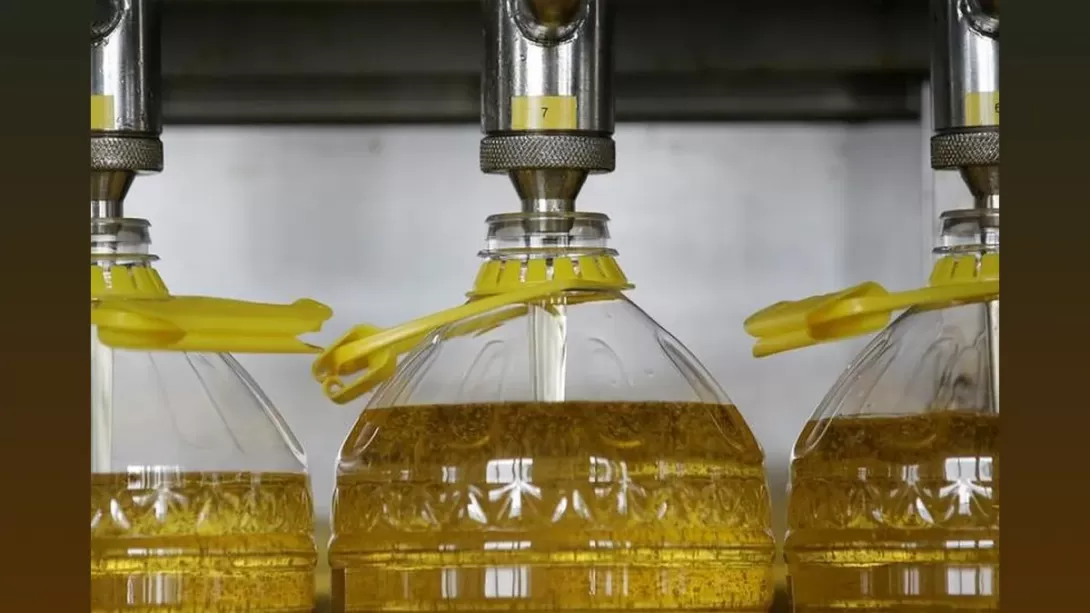
In response to soaring food inflation, India’s Ministry of Food and Public Distribution has instructed edible oil industry associations to pass on the benefits of recent import duty reductions to consumers. This directive comes after the government slashed customs duties on crude edible oils—such as sunflower, soybean, and palm oils—from 20% to 10%. The aim is to alleviate pressure on food prices and enhance domestic refining capacities, while also addressing inflationary concerns that have plagued consumers. The move is expected to lead to immediate price adjustments for distributors and retailers, making edible oils more affordable.
Government Cuts Import Duties on Edible Oils Amid Soaring Prices
In a decisive move aimed at combating rising food inflation, the Indian government has halved the customs duties on crude edible oils, offering relief to both consumers and the domestic edible oil industry. The reduction follows months of escalating edible oil prices, which have significantly contributed to India’s food inflation. The Ministry of Food and Public Distribution has ordered industry associations to immediately pass on these benefits to consumers, urging the sector to adjust its pricing structures accordingly.
The revised customs duties, which apply to crude sunflower, soybean, and palm oils, have been slashed from 20% to 10%. This change is expected to lower the landed cost of crude edible oils, which will, in turn, reduce retail prices across the country. The government’s intervention aims to relieve the strain on consumer wallets and ease inflationary pressures, particularly in the food sector.
The Immediate Impact: Price Adjustments for Consumers
Following this reduction, edible oil industry associations have been instructed to adjust their Price to Distributors (PTD) and Maximum Retail Price (MRP) immediately. The directive emphasizes that the savings from lower customs duties should be transmitted throughout the supply chain and reflected in final retail prices. In addition, industry stakeholders are required to update the Ministry on the revised MRP sheets, reporting the changes on a weekly basis to ensure transparency and monitor compliance.
This quick action aims to deliver tangible benefits to consumers by ensuring that price reductions are felt at the point of purchase. The department has also shared a specific format with industry stakeholders for reporting updated pricing, underscoring the urgency and importance of passing on the benefits of the import duty cut.
Government’s Strategy: Alleviating the Inflation Burden
The government’s decision to reduce import duties on crude oils is a direct response to the significant inflationary pressure caused by rising edible oil prices. Since the duty hike in 2024, retail prices of edible oils have surged, contributing to food price inflation. This price spike has not only strained household budgets but also exacerbated the cost of living for millions of Indian families.
The halving of customs duties is part of a broader strategy to address food inflation, which has remained persistently high. By lowering the import duties, the government hopes to reduce the landed cost of imported crude edible oils, which make up a substantial portion of the country’s supply. With more affordable raw materials, the domestic refining industry will be in a better position to meet demand and keep prices under control.
Impact on Domestic Refining and the Long-Term Outlook
The reduction in import duties also has a strategic component aimed at boosting the domestic edible oil refining industry. With a widened duty differential between crude and refined oils, domestic refiners are incentivized to increase their refining capacity. The government anticipates that this will lead to a reduction in the import of refined oils, supporting local industry and further strengthening India’s self-sufficiency in edible oil production.
Officials noted that the duty differential, which has increased from 8.75% to 19.25% as a result of this policy change, would encourage domestic refiners to make use of available local capacity. This would not only help reduce the country’s reliance on imported refined oils but also promote greater utilization of domestic infrastructure, thus strengthening the overall edible oil supply chain.
The Broader Economic Context: Managing Food Inflation
Food inflation has been a persistent challenge in India, affecting everything from vegetables to oils and dairy products. In particular, edible oils represent a significant part of the Indian diet, and price fluctuations in this sector have far-reaching effects on consumers. The government’s decision to intervene with targeted policy adjustments comes at a critical time, aiming to curb the ongoing inflationary spiral.
Experts believe that this move could set a precedent for similar interventions in other sectors facing similar inflationary pressures. By actively managing the pricing of essential goods like edible oils, the government hopes to restore balance in the consumer goods market and ensure that essential food items remain within reach for the average household.
Looking Ahead: A Strategic Move for Consumer Welfare
The government’s decision to reduce import duties on edible oils and direct the industry to pass on the benefits to consumers is a well-timed and strategic response to the rising cost of living in India. By addressing the immediate inflationary pressure in the edible oil market, the move not only aims to alleviate the financial burden on consumers but also strengthens the domestic refining industry.
With the support of industry stakeholders and a clear directive from the Ministry, consumers are expected to see immediate relief at the point of purchase. As India’s edible oil market stabilizes and the domestic refining industry grows, this policy shift could have lasting effects, reducing India’s reliance on imports and fostering a more resilient supply chain.
In conclusion, the government's intervention in the edible oil market represents a broader commitment to addressing food inflation and supporting the welfare of Indian consumers. As the benefits of the import duty reductions filter through the supply chain, it will be crucial to monitor their long-term impact on both prices and domestic production capacities.
Comments