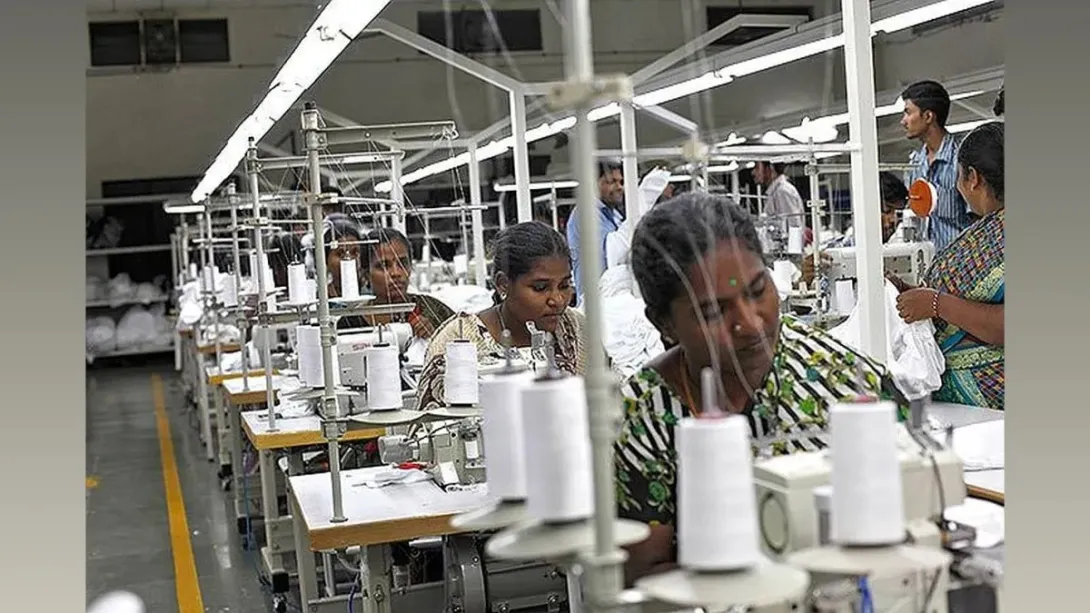
The government has extended the window for duty-free imports of cotton until December 31, offering relief to the textile and garment industry grappling with high input costs. The move is expected to stabilize raw material prices, ensure adequate supply, and support India’s export competitiveness in global textile markets. With cotton prices remaining volatile due to global supply disruptions and domestic demand pressures, the extension provides a cushion for manufacturers ahead of the peak festive and export seasons. Analysts believe the policy will benefit spinning mills and fabric producers, while also easing inflationary pressures in the textile value chain.
Policy Extension
The extension of duty-free imports reflects the government’s commitment to supporting India’s textile ecosystem, which is heavily reliant on cotton as a key raw material. Industry representatives had urged policymakers to continue the measure beyond the earlier deadline, citing persistent volatility in global cotton markets.
By removing import duties temporarily, the government aims to bridge supply gaps, moderate input prices, and ensure that domestic manufacturers remain competitive against global peers.
Impact on the Textile Sector
Textile companies, particularly spinning mills and fabric producers, stand to gain from the extension. Cheaper cotton imports will help reduce production costs, thereby improving margins for manufacturers who have been under pressure due to elevated raw material expenses.
The move is especially significant for exporters in the apparel and home textile segments, who are contending with stiff international competition. By stabilizing input prices, the duty waiver enhances their ability to secure overseas contracts at competitive rates.
Market Dynamics
Global cotton prices have remained unpredictable, driven by climatic uncertainties in major producing regions, fluctuating demand from key importers, and supply chain disruptions. Domestically, farmers have faced challenges in maintaining consistent output, further fueling price swings.
The duty-free extension provides a buffer against these uncertainties, ensuring a steady supply of cotton for Indian manufacturers. It also serves as a safeguard for employment in the labor-intensive textile sector, which contributes significantly to India’s GDP and exports.
Broader Economic Implications
Beyond immediate relief for the textile industry, the policy could have wider macroeconomic benefits. Lower raw material costs help mitigate inflationary pressures in consumer products, especially garments. Additionally, by strengthening India’s export competitiveness, the extension supports foreign exchange earnings at a time when global trade dynamics are uncertain.
However, some experts caution that prolonged reliance on imported cotton may discourage investments in boosting domestic production. Policymakers will likely need to balance short-term relief with long-term strategies for agricultural resilience.
Conclusion
The government’s decision to extend duty-free cotton imports until December 31 provides crucial short-term stability for India’s textile and garment sector. While the move helps manufacturers manage costs and maintain export momentum, the long-term health of the industry will depend on structural measures to strengthen domestic cotton production and supply chains. For now, the policy extension offers welcome relief as India prepares for peak seasonal demand both at home and abroad.
Comments