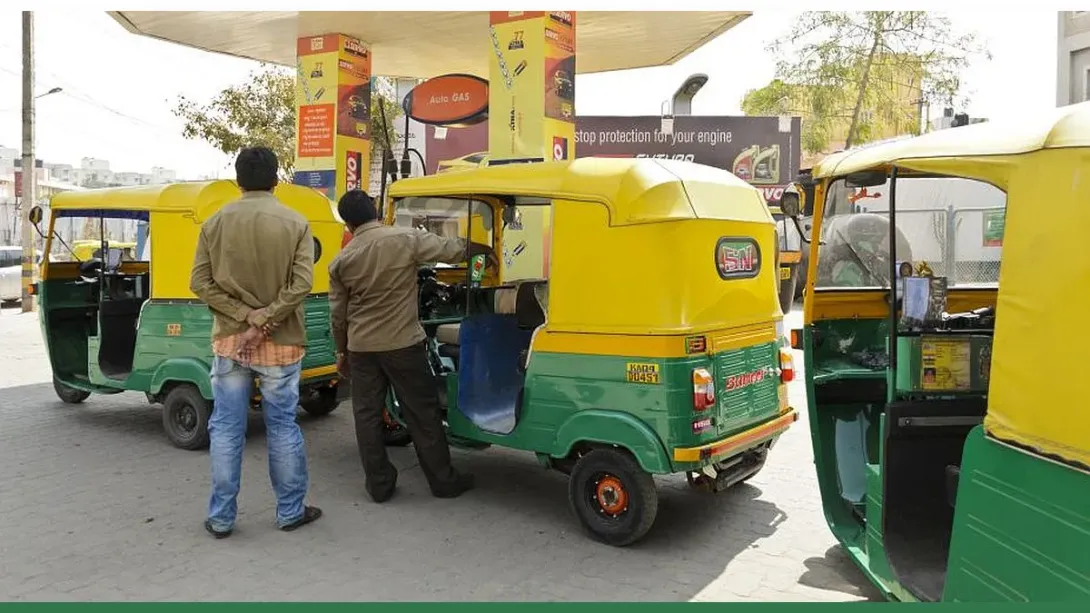
In a move aimed at creating a more transparent and equitable energy distribution system, the Indian government is considering a unified pricing mechanism for piped natural gas (PNG) supplied to households. The proposal seeks to eliminate regional disparities in domestic gas tariffs by ensuring uniform pricing nationwide. This strategic shift aligns with the government’s broader goals of increasing clean energy adoption, enhancing urban infrastructure, and promoting ease of living for consumers. If implemented, the uniform pricing policy would mark a significant departure from the current market-driven rates set by different city gas distributors.
---
A Push Toward Equitable Access
The proposed plan to introduce a uniform tariff for piped cooking gas signals a major policy evolution in India’s energy sector. Currently, pricing varies widely depending on the location and service provider, resulting in significant differences in household energy bills across states and cities. By implementing a standardised pricing structure, the government aims to foster fairness in energy access and shield consumers from unpredictable local pricing fluctuations.
The move is expected to benefit households in regions where piped gas is currently priced higher due to operational costs or limited network reach, thus encouraging broader adoption of clean fuel.
---
Rationalising Domestic Gas Supply
At the heart of the proposal lies the idea of rationalising the supply chain for natural gas, particularly the portion earmarked for household consumption. Government officials are exploring a framework that would ensure consistent end-user prices, even if sourcing and transportation costs differ across regions.
This pricing overhaul would likely involve pooling of transportation and distribution charges and implementing a national average cost model. Such a framework could help in streamlining logistics, increasing cost efficiency, and reducing the dependence on cylinder-based liquefied petroleum gas (LPG), especially in urban clusters with existing PNG infrastructure.
---
Supporting Clean Energy Transition
Uniform pricing for PNG is also closely aligned with India’s decarbonisation goals and its commitment to expanding clean energy use in the residential sector. Piped gas is not only cleaner than traditional cooking fuels but also more convenient and less polluting, particularly in densely populated urban areas.
By making PNG more affordable and predictable, the government hopes to accelerate the transition away from biomass and LPG, while also reducing emissions associated with fuel transportation and storage. This could lead to long-term health, environmental, and logistical benefits.
---
Impact on Consumers and Distributors
While consumers are poised to gain from standardised pricing, especially in high-tariff regions, city gas distribution (CGD) companies may face pressure on their margins. The proposal may require these firms to rework their cost structures or operate within regulated return frameworks.
To address this, the government is reportedly considering balancing mechanisms—such as cross-subsidisation or phased implementation—to ensure the financial viability of distributors while protecting consumer interests.
It also opens the door for enhanced regulatory oversight by institutions like the Petroleum and Natural Gas Regulatory Board (PNGRB), which may be tasked with monitoring adherence and ensuring compliance across stakeholders.
---
Road Ahead
The proposal is still under active consultation, with discussions ongoing between the Ministry of Petroleum and Natural Gas, regulatory bodies, and industry stakeholders. If cleared, it would represent a major reform in the way domestic energy services are delivered in India.
A national PNG pricing policy has the potential to transform household energy economics, reduce urban pollution, and lay the groundwork for a more cohesive energy grid. As infrastructure expands and the economy becomes more gas-intensive, such reforms could also serve as a blueprint for other essential utilities.
---
Conclusion
By aiming for a uniform pricing model for piped cooking gas, India is not just trying to simplify household budgets—it is advancing a broader vision of energy equity, environmental responsibility, and urban resilience. The success of this initiative will depend on collaborative execution and policy precision, but the potential benefits for millions of Indian households make it a reform worth watching.
Comments