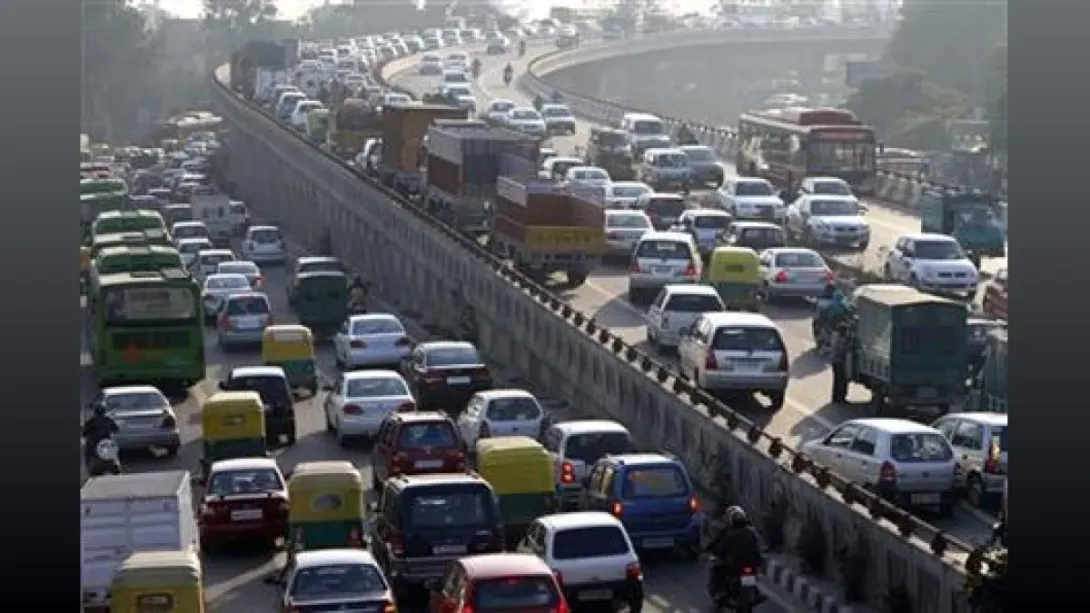
In a significant move aimed at strengthening emergency healthcare access, the government is advancing a framework to ensure cashless treatment for road accident victims. The initiative is designed to remove financial barriers during the critical “golden hour,” when timely medical intervention can determine survival outcomes. By enabling accident victims to receive immediate treatment without upfront payment, the policy seeks to reduce fatalities caused by delays in care. The proposed system will involve coordination between hospitals, insurers, and government agencies, reflecting a broader effort to align public safety, healthcare delivery, and social welfare in India’s road transport ecosystem.
Addressing a Critical Public Health Challenge
India continues to record one of the highest numbers of road accident fatalities globally, with delayed medical attention cited as a major contributing factor. Many victims face treatment delays due to uncertainty over payment responsibility, particularly in private hospitals. The proposed cashless treatment mechanism aims to directly address this gap by ensuring that emergency care is not contingent on immediate financial arrangements.
Policy experts view the move as a long-overdue intervention in a system where access to prompt trauma care often depends on a victim’s financial capacity rather than medical urgency.
How the Cashless Treatment System Will Work
Under the proposed framework, road accident victims will be eligible for immediate, cashless medical treatment at empaneled hospitals. Treatment costs up to a defined limit are expected to be covered through a dedicated fund or insurance-backed mechanism, with reimbursements settled directly between hospitals and the administering authority.
The focus will be on emergency stabilization and life-saving procedures, particularly within the initial hours following an accident. Clear protocols are expected to be established to prevent misuse while ensuring swift approvals and minimal administrative burden on healthcare providers.
Role of Hospitals and Insurers
Hospitals will play a central role in implementing the policy, requiring streamlined admission and reporting processes. Insurers and government agencies are expected to collaborate closely to facilitate timely reimbursements and maintain financial sustainability of the scheme.
Healthcare administrators note that clarity on reimbursement timelines and standardized treatment rates will be critical to securing widespread participation from private hospitals, which handle a large share of trauma cases in urban and semi-urban areas.
Financial and Social Implications
From a fiscal perspective, the initiative represents a targeted social investment rather than a blanket subsidy. While it may involve upfront public expenditure, policymakers argue that the long-term benefits—reduced mortality, lower disability rates, and decreased economic loss from accidents—far outweigh the costs.
Economists point out that road accidents impose a substantial burden on productivity and household finances. Ensuring cashless emergency care can significantly reduce the financial shock faced by affected families.
Strengthening Accountability and Awareness
Alongside the treatment framework, authorities are expected to enhance monitoring systems to track claims, outcomes, and compliance. Public awareness campaigns will also be crucial to ensure that citizens, first responders, and hospitals understand the scope and applicability of the scheme.
Legal experts emphasize that clear guidelines will help prevent disputes and ensure accountability across stakeholders.
Outlook
The move toward cashless treatment for road accident victims signals a shift toward a more humane and responsive healthcare system. By prioritizing life over paperwork and payment, the policy has the potential to save thousands of lives each year. Its success, however, will depend on effective execution, inter-agency coordination, and sustained political and administrative commitment.
Comments