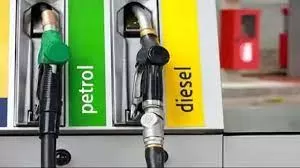
In a recent move, the Indian government has announced an increase in the excise duty on petrol and diesel by Rs 2 per litre. This hike raises the excise duty on petrol to Rs 13 per litre and diesel to Rs 10 per litre, as per an official notification released on Monday. Although the order did not specify its impact on retail prices, industry sources have indicated that it may not lead to an immediate rise in consumer fuel prices. Instead, the adjustment in excise duty could potentially offset price reductions due to a decline in international oil prices.
Excise Duty Hike: A Key Move by the Government
The Indian government’s decision to raise excise duties on petrol and diesel by Rs 2 per litre marks a significant shift in fiscal policy. This decision comes at a time when the global crude oil prices have seen a decline, and retail fuel prices in India were expected to drop in tandem. However, the hike in excise duties appears to be a calculated move to balance the government's revenue collection without directly affecting the consumer prices at the pump.
Petrol Excise Duty Raised to Rs 13 per Litre
With the excise duty on petrol now set at Rs 13 per litre, the government is aiming to recover a portion of its lost revenue from earlier price cuts. The decision comes in light of falling international oil prices, which had created space for price reductions in domestic markets.
Diesel Excise Duty Increased to Rs 10 per Litre
Similarly, the excise duty on diesel has been increased to Rs 10 per litre. Diesel is crucial to India’s transport and logistics sectors, so this hike could have broader economic implications. Industry stakeholders, however, believe that this change will not necessarily translate into higher retail prices for consumers.
Potential Impact on Retail Fuel Prices
Despite the excise duty hike, industry sources suggest that there may not be an immediate rise in retail fuel prices. This is because the increased excise duties are expected to be offset by the ongoing drop in global crude oil prices. Essentially, the hike could be an effort to stabilize the government’s fiscal position, without burdening consumers with higher fuel costs.
Balancing Revenue Collection and Consumer Interests
This decision comes amid ongoing efforts by the government to balance fiscal needs with consumer welfare. The government has faced mounting pressure to maintain its revenue collection, particularly with the volatile nature of global oil prices. The excise duty increase can be seen as a way to achieve this without impacting domestic fuel prices substantially, which is a delicate issue for the government, particularly in an election year.
Outlook for the Indian Fuel Market
The government's move to increase excise duty on petrol and diesel is likely to have short-term implications for market dynamics. However, the overall impact will depend on how global crude oil prices evolve in the coming months. Should oil prices continue to decline, the government's fiscal strategy may continue to include excise duty adjustments that mitigate the need for retail price hikes.
For now, consumers may not feel the immediate pinch of this excise duty hike at the pump. However, the long-term impact will depend on the trajectory of global oil prices and how the government continues to manage its fuel pricing policies.
Conclusion: A Strategic Adjustment by the Government
While the excise duty hike on petrol and diesel might initially seem like a step toward increasing fuel costs, it is likely a strategic adjustment in response to changing international market conditions. The government’s aim appears to be to balance its fiscal requirements with the need to avoid burdening consumers with higher fuel prices, at least for now. As such, the situation remains fluid, and future price changes will depend on how global oil markets evolve.
Comments