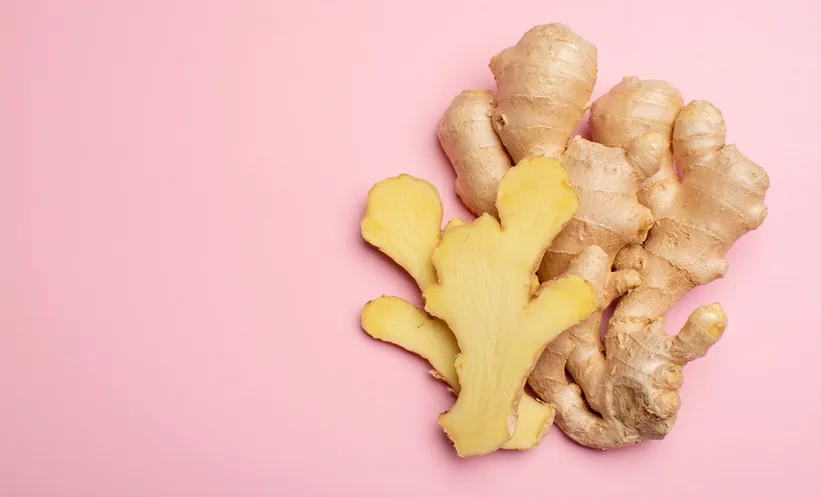
Emerging research on medicinal plants has renewed attention toward ginger, a widely used culinary root with notable bioactive compounds. Scientists are examining whether derivatives extracted from ginger could serve as natural antimicrobial agents, potentially easing the global reliance on antibiotics. Early findings indicate that certain ginger constituents exhibit antibacterial and anti-inflammatory properties, making them candidates for complementary therapeutic use. Although the scientific community stresses that these compounds cannot replace antibiotics, their targeted benefits may help reduce unnecessary medication use, especially in mild infections. The study’s implications extend to healthcare economics, antibiotic stewardship and long-term public health sustainability.
A Natural Candidate in the Battle Against Overuse of Antibiotics
As antibiotic resistance reaches alarming levels worldwide, researchers are exploring alternative solutions that may lighten the burden on traditional pharmaceuticals. Ginger, known botanically as Zingiber officinale, has emerged as a promising contender. Its rich concentration of phenolic compounds—such as gingerols, shogaols and zingerone—displays antimicrobial activity that has captured the attention of pharmacologists and integrative medicine specialists.
What the Research Suggests
Preliminary laboratory studies indicate that ginger extracts can inhibit the growth of certain bacteria responsible for common respiratory and gastrointestinal infections. Scientists suggest that these compounds may work by disrupting bacterial cell membranes or limiting inflammatory responses. While these findings are still under evaluation, they point to a potential supportive role for ginger derivatives, particularly in mild cases where antibiotic prescription is frequently unnecessary.
Implications for Healthcare Systems and Costs
Overuse of antibiotics places immense financial pressure on global healthcare systems. As resistance grows, treatment costs rise due to the need for stronger medications and longer hospital stays. If ginger-based therapies can reduce reliance on antibiotics—even marginally—the impact could be economically meaningful. Such alternatives may offer cost-effective supplemental care, especially in regions where medical resources are limited.
A Complement, Not a Replacement
Experts caution against viewing ginger derivatives as substitutes for prescribed antibiotics. Severe bacterial infections still require conventional drug therapy. However, ginger may provide value as an adjunct treatment, helping manage inflammation, boost immune function and shorten recovery time. In many cases, avoiding unnecessary antibiotic prescriptions for minor ailments can play a crucial role in combating resistance.
Future Research and Commercial Potential
Pharmaceutical companies and nutraceutical brands are increasingly exploring plant-based compounds for new product development. Ginger derivatives hold commercial promise in herbal medicines, wellness supplements and topical formulations. Researchers are now focusing on optimal extraction processes, safe dosing guidelines and clinical trials to determine efficacy in real-world scenarios.
A Step Toward More Sustainable Medicine
While much remains to be validated, the growing body of evidence surrounding ginger’s antimicrobial properties signals a shift toward more sustainable and integrative medical strategies. If harnessed responsibly, these natural compounds may become part of a broader effort to promote antibiotic stewardship and safeguard future generations from drug-resistant infections.
Comments