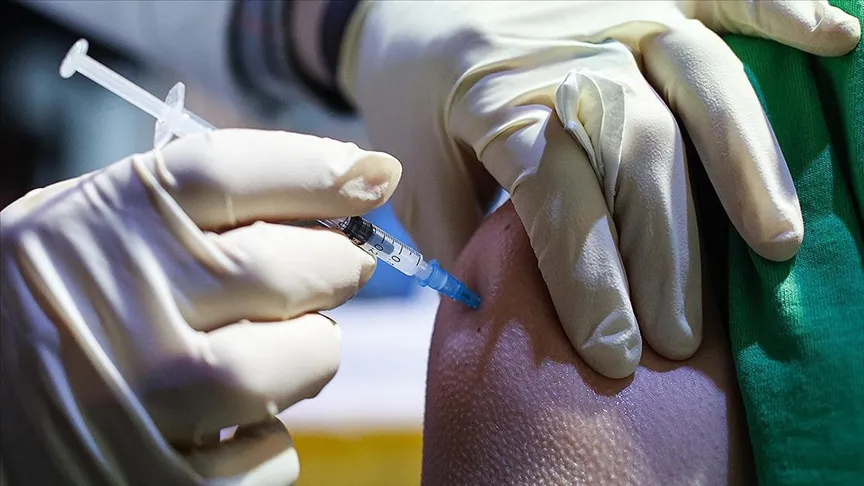
Pharmaceutical major GSK is intensifying its focus on shingles prevention as global health systems place greater emphasis on adult immunization. With aging populations driving higher incidence rates of herpes zoster, the company’s shingles vaccine portfolio has emerged as a significant growth engine. Public health authorities increasingly recommend preventive vaccination to reduce complications such as postherpetic neuralgia, a condition that can lead to prolonged pain and healthcare costs. Industry analysts note that expanding awareness campaigns and broader insurance coverage are accelerating uptake, positioning shingles prevention as both a medical imperative and a commercially strategic segment within the global vaccine market.
Rising Focus on Shingles Prevention
Shingles, medically known as herpes zoster, results from the reactivation of the varicella-zoster virus, which remains dormant in individuals who previously had chickenpox. The risk increases substantially with age and weakened immunity.
GSK has positioned itself at the forefront of this preventive landscape through its recombinant shingles vaccine, Shingrix, which has demonstrated high efficacy in reducing infection risk across older age groups.
Public health agencies in several countries now recommend routine shingles vaccination for adults aged 50 and above, reinforcing long-term demand.
Market Dynamics and Revenue Implications
Shingles vaccines have become a key revenue driver within GSK’s broader vaccines division. In recent financial disclosures, the company reported strong year-over-year growth in vaccine sales, supported in part by rising global uptake of adult immunizations.
Analysts attribute this momentum to demographic trends. As life expectancy increases, healthcare systems are prioritizing preventive measures to mitigate age-related disease burdens. From an economic standpoint, preventing shingles-related complications can reduce hospitalization expenses and long-term treatment costs.
Insurance providers and national healthcare programs are increasingly incorporating shingles vaccines into reimbursement frameworks, expanding accessibility.
Public Health and Cost Containment
Shingles can lead to severe nerve pain and complications, particularly among elderly patients. Postherpetic neuralgia, one of the most debilitating outcomes, often requires prolonged treatment that can cost patients and insurers substantial sums.
Preventive vaccination offers a cost-effective alternative. Health economists argue that even moderate improvements in vaccination coverage could translate into significant reductions in healthcare expenditures over time.
By integrating shingles vaccination into adult immunization schedules, policymakers aim to reduce strain on outpatient and hospital services, particularly in aging societies.
Strategic Positioning in a Competitive Landscape
The global vaccine market has become increasingly competitive, with pharmaceutical companies investing heavily in research and development. GSK’s sustained emphasis on shingles prevention reflects its strategy to consolidate leadership in high-margin, specialty vaccines.
The company continues to invest in manufacturing scale, distribution infrastructure and physician engagement initiatives to maintain market share. Emerging markets also represent potential growth corridors, though pricing sensitivity remains a factor.
Industry observers note that adult immunization, historically underemphasized compared with pediatric programs, is evolving into a major growth frontier.
Broader Implications for Preventive Healthcare
The expanding uptake of shingles vaccines underscores a structural shift toward preventive medicine. Governments and insurers are recalibrating budgets to favor early intervention rather than reactive treatment.
For GSK, the strategic bet on shingles prevention aligns with broader trends reshaping global healthcare financing. Preventive vaccines not only improve patient outcomes but also enhance system efficiency—a compelling proposition in fiscally constrained environments.
As demographic aging accelerates worldwide, shingles prevention is likely to remain both a public health priority and a cornerstone of pharmaceutical innovation.
Comments