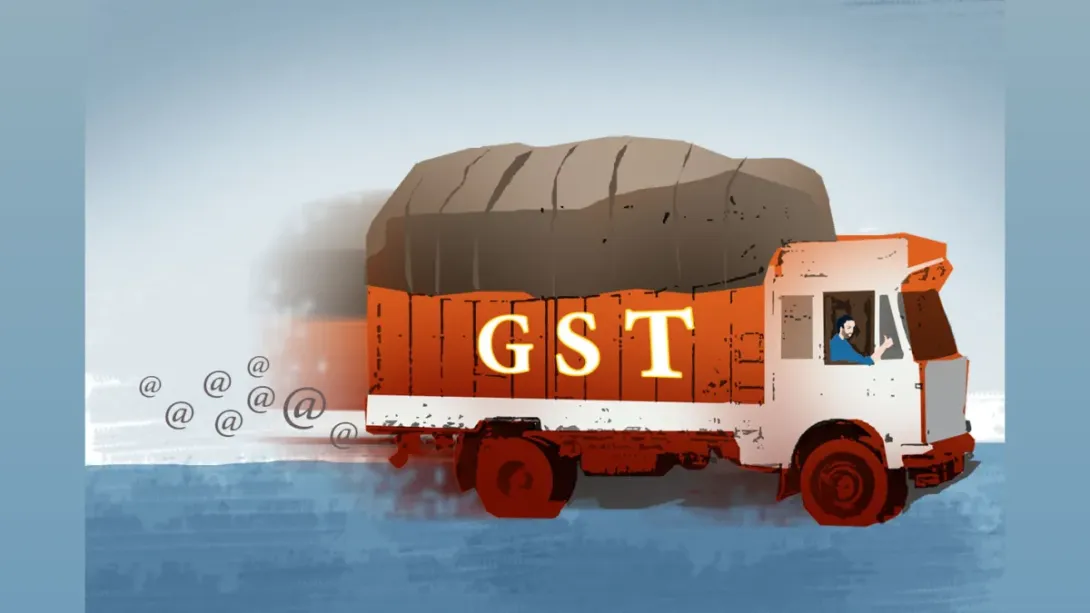
Finance Minister Nirmala Sitharaman recently chaired a high-level meeting with the Group of Ministers (GoM) to deliberate on changes to the Goods and Services Tax (GST) framework, focusing particularly on rate rationalization. The session underscored the government’s intent to balance revenue requirements with economic stability, while ensuring minimal disruption to businesses and consumers. With the economy navigating inflationary pressures, fiscal consolidation, and evolving consumption patterns, the proposed GST rejig aims to simplify structures, reduce anomalies, and improve compliance efficiency.
---
Key Focus of the Meeting
The meeting concentrated on reviewing current GST slabs and addressing inverted duty structures across various sectors. This has been a longstanding demand from both industry bodies and state governments, as the current framework often leads to working capital blockages and disputes in tax credits. By examining these distortions, the GoM intends to streamline taxation to promote transparency, ease of doing business, and sectoral competitiveness.
---
Implications for Businesses and Consumers
If implemented, the rejig could have broad consequences for industries ranging from manufacturing and FMCG to services. A reduction in inverted duty structures may ease cash flow for producers, while rationalized rates could reduce compliance complexities for businesses. For consumers, however, the outcome will depend on whether essential goods and services witness lower taxation or if luxury and non-essential categories face higher rates to offset revenue losses.
---
Balancing Revenue with Reform
The Centre and states face the challenge of reconciling revenue considerations with the need for a streamlined tax regime. GST collections have remained robust in recent months, providing fiscal room to pursue rationalization without significantly jeopardizing state finances. However, policymakers remain cautious, mindful of the delicate balance between short-term revenue stability and long-term economic efficiency.
---
Broader Economic Context
The deliberations come at a time when the economy is striving for sustainable growth amid global uncertainties. By recalibrating GST rates, the government seeks to enhance predictability in the taxation system, which could improve investor confidence and strengthen India’s position as an attractive business destination.
---
Conclusion
The GoM meeting, spearheaded by Finance Minister Sitharaman, signals renewed momentum toward a more efficient and equitable GST regime. While final decisions remain pending, the discussions highlight the government’s focus on rationalization, simplification, and fiscal prudence. The eventual reforms could mark a significant step in deepening India’s structural tax framework, shaping the next phase of economic growth.
Comments