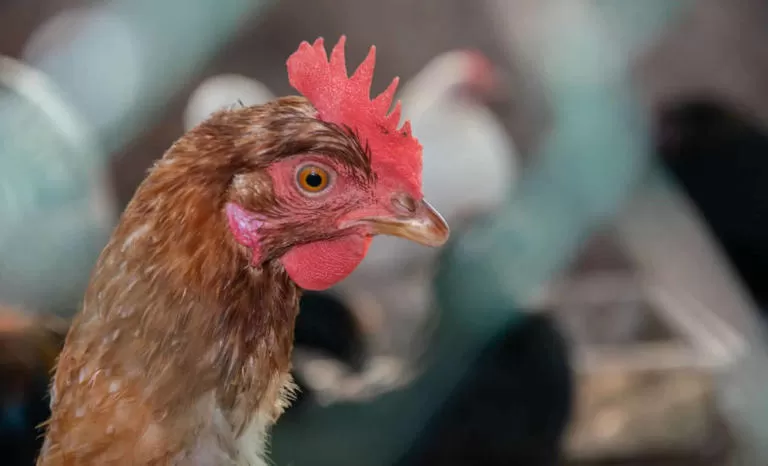
The H5N1 avian flu, which has caused widespread devastation in poultry populations, has now spread to dairy cattle in the Mountain West region of the United States. The virus, known for its lethality in birds, has been confirmed in cattle across several states, including Arizona and Idaho. Though human cases are rare, the virus poses a risk to those with direct exposure to infected animals. Federal testing protocols have helped limit its spread, while the CDC continues to monitor the virus. Public health authorities emphasize the importance of pasteurization and proper cooking to prevent transmission.
H5N1 Virus: A Growing Concern Beyond Poultry
The H5N1 virus, commonly associated with bird flu, has primarily impacted poultry industries for years, decimating entire flocks with alarming speed. However, a concerning shift has been observed in recent months as the virus has begun to affect cattle, particularly in the western United States. The virus was first confirmed in cows across Arizona and Idaho, with outbreaks also recorded in states like Colorado, Montana, New Mexico, and Wyoming. While H5N1’s primary host remains poultry, its spread to livestock marks a troubling escalation of an already dangerous epidemic.
This development has prompted swift action from federal animal health authorities, who are closely monitoring the situation to prevent further spread and mitigate potential risks to human health.
Cattle Resilience: A Mixed Blessing
Despite the concerning spread of H5N1 among cattle, health officials note that cattle appear more resilient to the virus than poultry. While H5N1 can devastate poultry populations within days, causing the death of entire flocks, cattle do not exhibit the same level of vulnerability. According to the Centers for Disease Control and Prevention (CDC), human infections with H5N1 are rare, and even in the cases where humans have contracted the virus, direct exposure to infected animals, particularly those working in agricultural settings, has been the primary route of transmission.
To date, only 70 confirmed human cases of H5N1 infection have been reported in the U.S., with one fatality. These cases have primarily occurred in individuals who have had close contact with infected poultry or cattle, such as farm workers or veterinarians. Fortunately, there have been no reports of the virus spreading from person to person, a crucial detail that has helped curb widespread panic.
Preventative Measures and Federal Response
In response to the mounting threat, federal authorities implemented a testing requirement for cattle last spring. This policy mandates that cattle be screened for the virus before being transported, helping to limit its spread across state lines. While the virus poses little immediate threat to public health, these preventative measures are critical in curbing its transmission and preventing larger outbreaks.
The CDC continues to monitor the situation closely, using its robust flu surveillance systems to track potential cases of H5N1 in humans. Public health officials, including Brian Labus, an associate professor at the University of Nevada, Las Vegas, emphasize that while direct contact with infected animals poses the greatest risk, there are effective safeguards that can prevent transmission via food products. "Processes such as milk pasteurization and proper cooking" are key to ensuring that dairy and meat products remain safe for consumption.
Ongoing Vigilance: Monitoring and Future Outlook
Though H5N1’s spread to cattle is concerning, the situation is still under control, thanks in large part to swift regulatory actions and constant monitoring. Health authorities continue to work with the agricultural industry to reduce the risk of further transmission, while educating the public about the potential risks and the importance of food safety protocols. With the implementation of strict testing, surveillance, and safety measures, the likelihood of the virus becoming a widespread public health threat remains low.
That said, the spread of H5N1 among cattle underscores the unpredictable nature of infectious diseases and the necessity for ongoing vigilance. As the agricultural sector and health officials work together to contain the virus, the general public is urged to follow food safety guidelines and remain informed about potential risks.
Conclusion: A Need for Continued Monitoring and Caution
The recent appearance of H5N1 in cattle represents a new chapter in an ongoing saga of animal disease outbreaks. While the virus does not currently pose an imminent threat to human health, the spread to livestock underscores the importance of continued vigilance, particularly in agricultural and veterinary settings. As the CDC and federal authorities continue to monitor the virus, preventive measures such as pasteurization and proper cooking remain crucial in ensuring public safety.
As the situation develops, both the agricultural community and public health officials must remain prepared for any future challenges posed by this evolving outbreak.
Comments