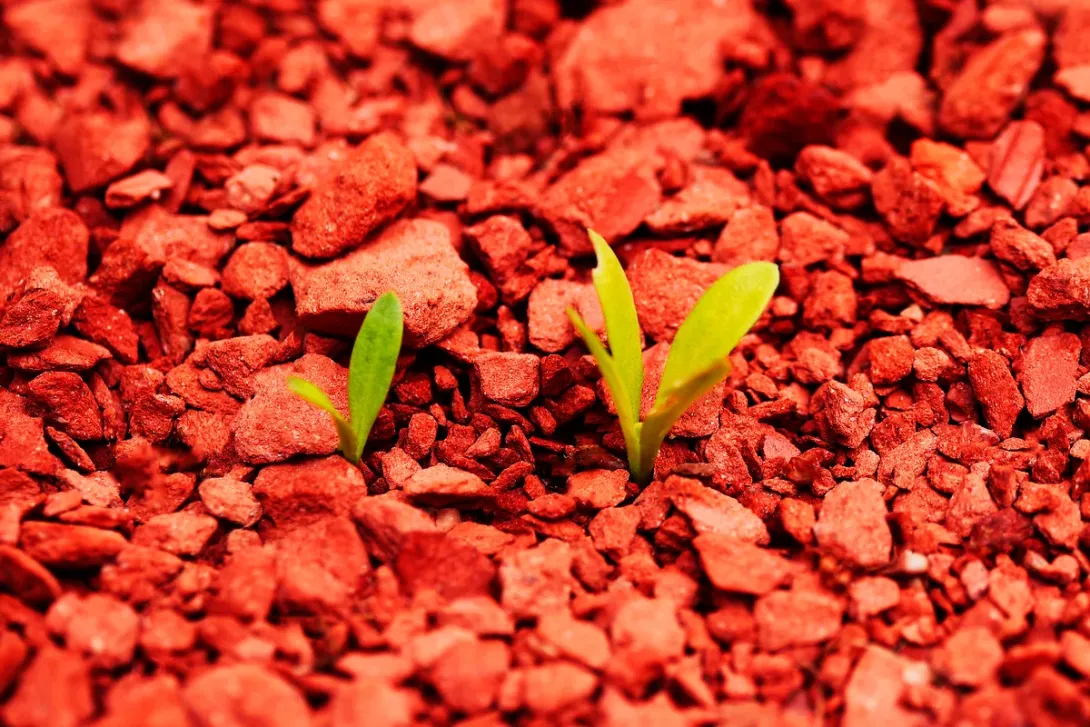
As humanity advances toward crewed missions to Mars, scientists are exploring the use of Earth-origin microbes to support life on the Red Planet. These microorganisms could play a crucial role in generating oxygen, recycling waste, and producing food through bioengineered systems adapted to Martian conditions. Research focuses on selecting resilient strains capable of withstanding extreme radiation, low gravity, and limited water availability. By integrating microbiology with bioregenerative life support systems, space agencies aim to create sustainable habitats that reduce reliance on Earth-supplied resources. This approach may prove pivotal in establishing long-term human settlements, enabling scientific research and eventual colonization.
The Role of Microbes in Martian Habitats
Microbes can act as biological engineers on Mars, facilitating essential life-support functions:
- Oxygen Production: Photosynthetic microorganisms, such as cyanobacteria, can generate oxygen from carbon dioxide-rich Martian air.
- Waste Recycling: Certain bacteria can decompose organic waste, converting it into usable nutrients for plants and other microbes.
- Food Production: Microbial fermentation can supplement nutrition for astronauts, providing proteins, vitamins, and probiotics in compact systems.
These capabilities make microbes indispensable for closed-loop ecosystems where human survival depends on resource efficiency.
Selection and Engineering of Resilient Strains
Mars presents harsh conditions—high radiation levels, extreme temperatures, low atmospheric pressure, and scarcity of liquid water. Scientists are identifying extremophiles, microorganisms that naturally thrive in Earth’s deserts, polar regions, and deep-sea vents, as candidates for Martian deployment.
Synthetic biology is also being employed to enhance microbe resilience, improve metabolic efficiency, and ensure compatibility with bioregenerative systems in modular habitats.
Integration into Life Support Systems
Experimental bioreactors and controlled habitat modules simulate Martian conditions to test microbial efficacy. These systems aim to:
- Generate breathable air through photosynthesis and chemical conversion.
- Treat wastewater and convert it into safe, reusable water for crew and plants.
- Produce biomass that supplements dietary requirements for astronauts on extended missions.
Such biotechnological innovations reduce dependency on supply missions from Earth, increasing mission autonomy and sustainability.
Challenges and Ethical Considerations
Introducing Earth microbes to Mars carries potential ecological and planetary protection risks. Unintended contamination of native Martian environments could compromise future life-detection missions. Strict containment protocols and sterilization standards are essential to balance human needs with scientific integrity.
Additionally, designing microbes to survive in Martian conditions without ecological disruption remains a significant bioengineering challenge.
Future Prospects
Successful integration of microbial systems could revolutionize space exploration, transforming Mars habitats into self-sustaining ecosystems. This approach supports longer missions, enables larger crews, and lays the groundwork for eventual colonization. Beyond Mars, these advancements may inform off-world settlement strategies for moons such as Europa or Titan, establishing a precedent for humanity’s expansion into the solar system.
Comments