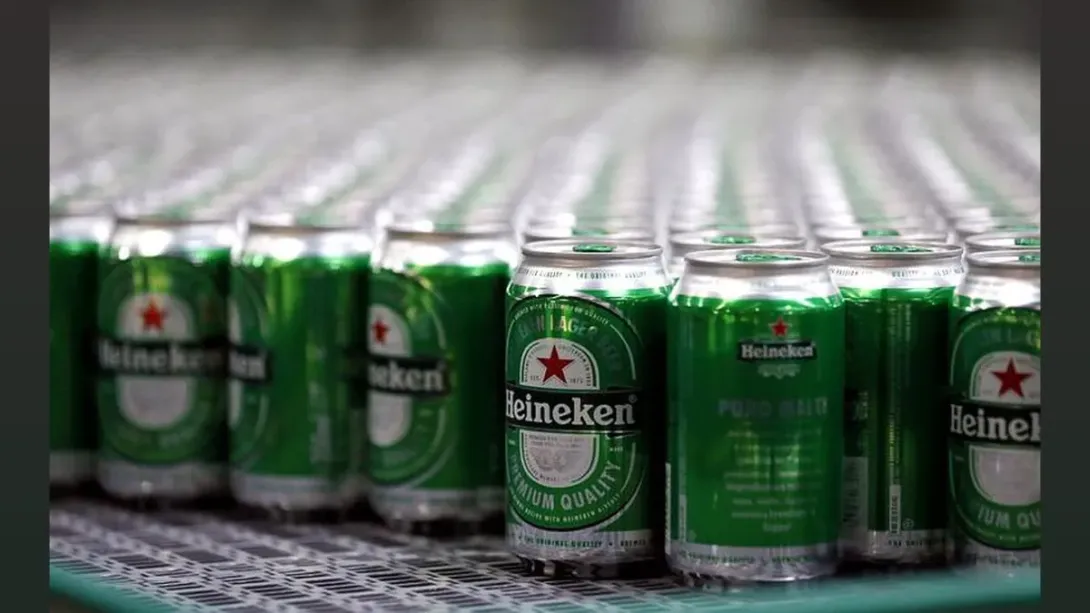
Heineken NV reported a decline in beer sales volumes in India during the July–September quarter, citing unusually heavy monsoon rains as the key reason for weaker consumer demand. The world’s second-largest brewer noted a mid-single-digit fall in volumes, though it managed to offset part of the decline through higher prices and a strong performance in its premium portfolio. Revenue still grew in the mid-single digits, driven by effective pricing strategy and favorable product mix. The results highlight how India’s erratic weather patterns and shifting consumption trends are reshaping the country’s beer market dynamics.
Monsoon Dampens Demand, Hits Volumes
Heineken’s Indian operations, which include its majority stake in United Breweries Ltd (UBL), saw a mid-single-digit contraction in beer volumes during the third quarter. The company attributed this to unseasonably heavy rainfall, which disrupted outdoor consumption—a critical factor in beer sales—and affected retail footfall in key markets such as Maharashtra, Karnataka, and Telangana.
While monsoon-induced slowdowns are not new to India’s beverage industry, the intensity and duration of this year’s rains amplified the impact, reducing demand across both urban and semi-urban centers. Beer, being a discretionary and climate-sensitive product, often sees significant volume fluctuation based on weather patterns, particularly during prolonged wet spells.
Revenue Growth Despite Volume Pressure
Despite the volume dip, Heineken managed to post mid-single-digit growth in organic net revenue from India. This resilience was achieved through strategic pricing measures and a continued push toward premium offerings. The company reported a high-single-digit increase in price and mix, reflecting improved margins from upscale brands such as Kingfisher Ultra, Amstel, and Heineken Silver.
Interestingly, the premium beer segment grew in the low teens, suggesting that affluent consumers remained largely insulated from short-term weather disruptions. This trend mirrors a broader structural shift in India’s alcoholic beverages market, where aspirational lifestyles and rising disposable incomes are driving the demand for higher-end products.
Shifting Consumer Dynamics in India’s Beer Market
India’s beer market, estimated at over Rs. 35,000 crore, has been undergoing a steady transformation. Younger consumers and urban millennials are increasingly gravitating toward craft-style and premium brands, a move that benefits brewers like Heineken with a diverse product portfolio.
However, weather disruptions continue to present a recurring challenge. Seasonal volatility—combined with state-level regulatory differences and periodic taxation changes—makes it difficult for brewers to sustain consistent volume growth. Analysts note that while the Indian beer industry has recovered from pandemic lows, its growth trajectory remains susceptible to external shocks, such as climate variability and regional policy constraints.
The company’s performance also reflects broader sectoral trends. United Breweries, Heineken’s Indian arm, had previously flagged logistical and pricing challenges due to unpredictable monsoon activity. The combined effect has been a moderation in overall market momentum during the quarter.
Global Context and Strategic Focus
Globally, Heineken reported mixed third-quarter results. Although its international premium brands performed well, total group volumes declined slightly, underscoring a broader softening in beer consumption in several key markets. For India, however, Heineken remains optimistic, viewing it as one of the most important growth frontiers in its emerging-market portfolio.
The company is investing heavily in expanding capacity, improving distribution reach in Tier-II and Tier-III cities, and strengthening its digital sales infrastructure. With premiumisation and portfolio diversification as its twin levers, Heineken aims to reduce dependence on weather-sensitive, price-driven volume sales.
Analyst Outlook: Premiumisation Offsets Weather Volatility
Industry analysts believe that while weather disruptions can dampen short-term demand, Heineken’s pricing strategy and premium focus will sustain revenue growth. “Premiumisation offers a natural hedge against volume volatility,” said one analyst tracking the sector. “Consumers at the upper end of the market are less price-sensitive, and that allows brewers to maintain profitability even when consumption volumes fluctuate.”
Moreover, the company’s strong brand equity and distribution footprint provide a competitive edge in a fragmented Indian market. As beer consumption patterns evolve and the hospitality sector continues to expand post-pandemic, Heineken is well-positioned to capture incremental demand once weather conditions normalize.
Conclusion
Heineken’s latest quarterly update paints a nuanced picture of India’s beer market—resilient yet vulnerable. The combination of heavy rains and regional disruptions tempered demand, but strong brand positioning, premiumisation, and strategic pricing kept revenue growth intact.
Looking ahead, the company’s success will depend on its ability to balance operational discipline with market innovation. As India’s consumers continue trading up to premium products and urban lifestyles evolve, Heineken’s challenge will be to sustain momentum across both affordability and aspiration—rain or shine.
Comments