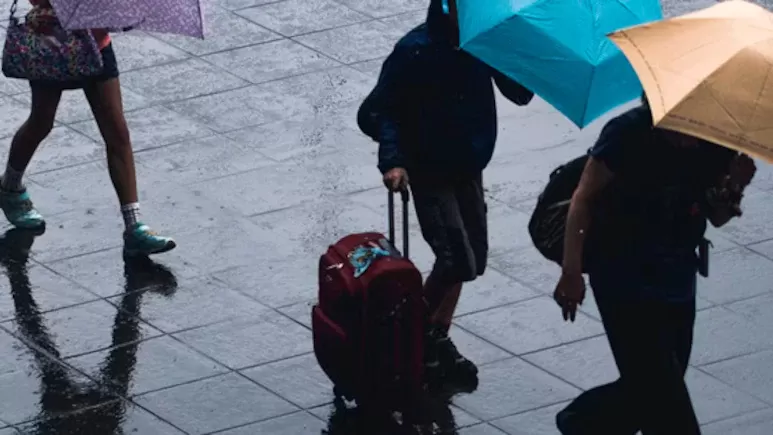
The monsoon season brings with it a myriad of health challenges, primarily due to the environmental factors such as high humidity, stagnant water, and poor sanitation. These conditions create an ideal breeding ground for infections, including mosquito-borne diseases like dengue and malaria, as well as waterborne illnesses like cholera and typhoid. Fungal and respiratory infections also become more prevalent due to dampness. This article outlines ten practical and preventive measures to protect yourself and your family from infections during the rainy season.
The Rising Risk of Infections in the Monsoon Season
The onset of the monsoon season, while a welcome change from the sweltering summer heat, introduces several health concerns. The combination of increased rainfall, humidity, and stagnant water offers a fertile breeding ground for a variety of harmful pathogens, from bacteria and viruses to fungi. These pathogens contribute to the rise in waterborne diseases, mosquito-borne infections, and skin and respiratory issues.
In addition to this, the excessive moisture and lack of sunlight during the monsoon can weaken the immune system, making the body more susceptible to infections. Taking proactive measures during this season is crucial to staying healthy and avoiding the seasonal illnesses that come with it.
10 Tips to Safeguard Your Health During the Rains
1. Consume Only Boiled or Filtered Water
Monsoon rains often lead to the contamination of water sources, making untreated water a major health risk. Consuming contaminated water can expose individuals to waterborne diseases such as cholera, typhoid, and hepatitis A. To ensure your water is free from harmful microbes, always boil water or use a reliable water purifier. This simple step helps safeguard your digestive system and strengthens your immune defenses.
2. Refrain from Eating Street Food and Raw Foods
While street food may be tempting during the rains, it is a major source of foodborne illnesses. Street food, often left exposed to flies, moisture, and unsanitary conditions, can easily become contaminated. Avoid consuming raw foods, such as salads, uncooked chutneys, and juices from outside vendors, as they are more likely to carry harmful bacteria and viruses. This precaution helps in preventing digestive issues and food poisoning.
3. Wear Waterproof Footwear in Wet Areas
Walking through puddles or muddy water exposes your feet to numerous harmful bacteria and fungi, which can lead to infections such as athlete's foot and leptospirosis. During the monsoon, it is important to wear waterproof sandals or boots, which provide a barrier between your feet and the contaminated ground. These will help keep your feet dry and free from infection.
4. Take Showers After Exposure to Rain
Getting drenched in the rain can lower your body’s immunity and increase the chances of skin infections due to prolonged exposure to moisture. To prevent this, always take a warm shower as soon as you get inside, preferably within 30 minutes of getting wet. This not only warms your body but also helps remove any pathogens that may have attached to your skin during the rain.
5. Maintain a Dry and Well-Ventilated Home
Damp and poorly ventilated spaces promote the growth of mold, mildew, and fungi, all of which can trigger respiratory problems and skin infections. To combat this, ensure that your living spaces are dry and well-ventilated. Use dehumidifiers, keep windows open when possible, and regularly clean damp areas with anti-fungal solutions to keep your environment free from harmful mold and bacteria.
6. Use Mosquito Repellents and Nets
Stagnant rainwater provides a perfect breeding ground for mosquitoes, which can spread diseases such as dengue, chikungunya, and malaria. To protect yourself, apply mosquito repellents on exposed skin, install mosquito nets in sleeping areas, and avoid storing uncovered water, which can serve as a mosquito breeding site. These precautions significantly reduce the risk of mosquito-borne diseases.
7. Strengthen Immunity with a Balanced Diet
A strong immune system is your first line of defense against infections. The monsoon season can lower your body's natural immunity, so it is essential to boost your immunity with a healthy, balanced diet. Include foods rich in vitamins and antioxidants, such as citrus fruits, garlic, ginger, turmeric, and leafy greens, to help strengthen your immune system and improve overall health.
8. Wash Your Hands Regularly
Frequent handwashing is one of the most effective ways to prevent the transmission of germs and infections. During the monsoon, the risk of germ transmission increases due to contact with wet surfaces, food, and public spaces. Washing your hands with soap and water—especially before eating or after touching wet surfaces—can significantly reduce the risk of infections such as stomach ailments, colds, and respiratory problems.
9. Avoid Wearing Damp Clothes or Footwear
Wearing damp clothes or shoes can create an ideal environment for the growth of bacteria and fungi, particularly in areas like the feet, underarms, and groin. Always dry your clothes thoroughly and change into fresh, dry attire as soon as possible after exposure to rain. This will help prevent skin infections and promote better hygiene.
10. Protect Cuts and Wounds
Open cuts and wounds are susceptible to infections, particularly when exposed to dirty rainwater. It's important to keep minor cuts clean and covered with waterproof bandages to prevent the entry of harmful bacteria or fungi. Proper wound care can prevent the development of skin infections that are common during the rainy season.
Conclusion: Embracing Safety in the Monsoon Season
While the monsoon season brings much-needed relief, it also requires vigilance to avoid the health risks associated with increased humidity, poor hygiene, and environmental factors. By adhering to these ten practical tips, individuals can protect themselves from the surge of infections that often accompany the rains. From maintaining good hygiene and strengthening immunity to taking steps to prevent waterborne and vector-borne diseases, proactive health management is the key to enjoying the rainy season without compromising your well-being.
With simple precautions, you can enjoy the beauty and freshness of the monsoon while staying safe and healthy.
Comments