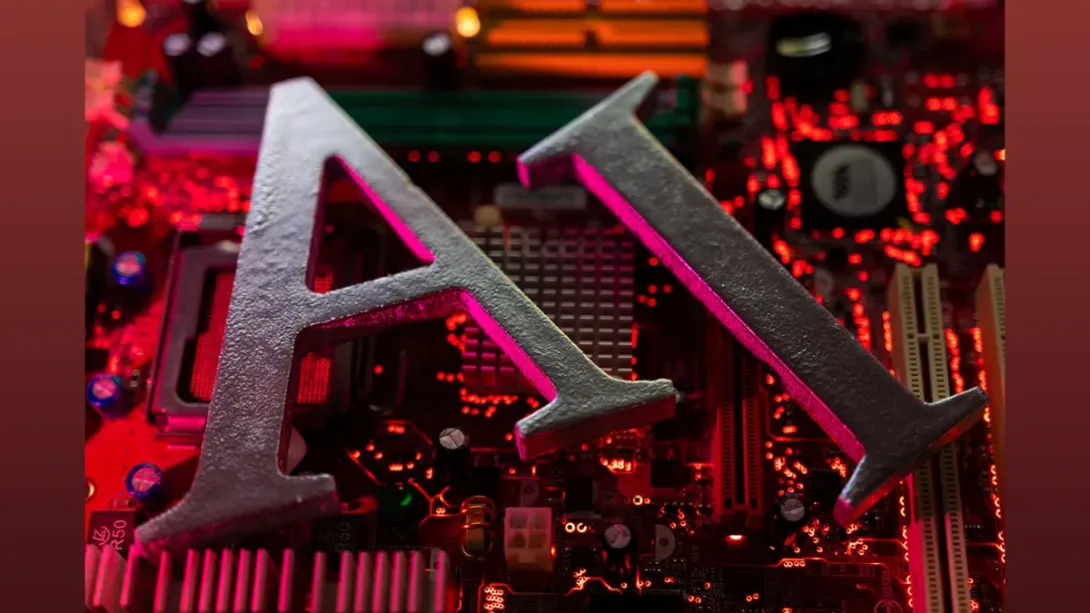
The Indian personal computer (PC) market is witnessing an evolving landscape, with increasing opportunities for growth amid technological shifts and changing consumer behavior. In an exclusive interview, the Managing Director of HP India shed light on the company’s strategies to capitalize on this trend, focusing on market penetration, product innovation, and the role of digital transformation in driving demand. With hybrid work models and an expanding middle class fueling demand, HP India is positioning itself to lead the charge in this dynamic space. This article explores the current market situation, challenges, and HP India's approach to maintaining a competitive edge.
The State of the Indian PC Market: Shifting Dynamics and Emerging Opportunities
The Indian PC market, historically one of the most vibrant and competitive in the world, is undergoing a transformation. As digital adoption continues to rise and new work paradigms, such as hybrid and remote models, take hold, the demand for personal computing devices is witnessing a shift. According to the latest industry reports, India’s PC market is poised for significant growth, driven by both business and consumer segments looking for more robust, scalable, and versatile computing solutions.
In a rapidly evolving market, HP India, a leader in the personal computing space, has been strategically positioning itself to harness these opportunities. The company’s Managing Director, who oversees HP India’s operations, recently shared insights into the company's approach to market penetration, ongoing innovation, and its ambitious plans for growth.
Hybrid Work Model Boosts Demand for PCs
One of the key drivers for the surge in PC demand is the rise of hybrid work. As more organizations adopt flexible working arrangements post-pandemic, the need for reliable personal computing devices has skyrocketed. According to HP India’s MD, this trend presents a massive opportunity for the company, as both businesses and individuals are increasingly reliant on high-performance laptops, desktops, and peripherals to ensure productivity.
“Hybrid work is here to stay, and it’s fueling demand for devices that not only offer mobility but also power and efficiency,” the MD explained. “We’ve seen an uptick in demand for our laptops and workstations, particularly from professionals who require reliable systems for both work and personal use.”
HP India has strategically expanded its product portfolio to cater to the varying needs of consumers, from budget-friendly models for students and remote workers to high-end business devices for professionals. The focus, according to HP India’s leadership, is to create a seamless user experience that addresses both performance and aesthetics.
Penetration in Tier 2 and Tier 3 Cities
While urban centers like Delhi, Mumbai, and Bengaluru continue to dominate PC sales, HP India is making significant strides in expanding its presence in Tier 2 and Tier 3 cities, where untapped potential remains. These smaller cities are experiencing a digital boom, driven by increasing internet penetration, affordable devices, and government initiatives to promote digital literacy.
“We’ve seen a strong surge in demand from smaller cities. The market in Tier 2 and Tier 3 is evolving rapidly, and people are becoming more technology-savvy,” said the MD. “It’s a very exciting time to cater to these emerging markets with products tailored to their needs—whether it’s for students, small businesses, or budding entrepreneurs.”
HP India is capitalizing on this shift by enhancing its distribution networks and making its products more accessible in regions where the adoption of technology has been slower but is now gaining pace.
Emphasis on Product Innovation and Customization
Product innovation remains at the core of HP India’s strategy. The company is keenly aware that the needs of Indian consumers are evolving rapidly, and offering customized solutions is key to staying ahead in a competitive market. This involves not just delivering powerful devices but also incorporating new technologies like artificial intelligence (AI), extended battery life, enhanced graphics, and integrated security features.
The HP India MD pointed out that the company’s emphasis on “built-in” value propositions, such as advanced privacy features, long-lasting battery performance, and environmentally friendly materials, has resonated strongly with the Indian market. These innovations, combined with a robust after-sales service network, help build trust and consumer loyalty.
“Consumers are increasingly discerning, and they are looking for devices that don’t just meet their basic needs, but enhance their overall experience. Whether it’s a device for creative professionals or a machine for work-from-home users, innovation is crucial to staying competitive,” the MD noted.
Sustainability as a Key Focus
Sustainability has become a crucial aspect of HP India’s operations and is influencing product development. As the company expands its market share in India, it is increasingly integrating eco-friendly practices into its supply chain, from recycling and reusing materials to designing products that are energy-efficient and made from sustainable resources.
“We are deeply committed to sustainability, and this is reflected in our products and operations. We aim to provide devices that not only perform well but are also environmentally responsible,” said the MD.
With sustainability becoming an important factor for consumers, especially younger generations who are more eco-conscious, HP India is leveraging this shift to differentiate itself in the market. The company’s initiatives, such as using recycled plastics in products and reducing carbon footprints, are setting a strong precedent for competitors.
Competitive Landscape and the Road Ahead
HP India operates in a highly competitive environment, facing strong challenges from global players like Lenovo, Dell, and Apple, as well as local brands that are quickly gaining market traction. However, HP India’s strong brand recognition, extensive service network, and focus on consumer-centric innovations continue to give it an edge.
Looking ahead, HP India remains focused on expanding its market footprint and leveraging technology to meet the diverse needs of the Indian consumer. The company plans to further diversify its portfolio, introducing new devices that cater to both personal and professional demands, while continuously improving its after-sales support to build long-term customer relationships.
“There is still significant untapped potential in the Indian market, and our goal is to continue offering products that drive productivity, creativity, and innovation. The future of personal computing in India is bright, and we are well-positioned to lead the way,” concluded the MD.
Conclusion: A Promising Future for HP India
In conclusion, the Indian PC market offers immense opportunities, driven by the shift to hybrid work, expanding digital penetration in smaller cities, and an increasing demand for innovative, sustainable products. HP India, with its strategic focus on product innovation, market penetration, and customer-centric solutions, is poised to capitalize on these trends. While challenges from competitors and changing consumer preferences remain, HP’s ability to adapt and lead with cutting-edge technology ensures its continued success in one of the world’s largest and most dynamic markets.
Comments