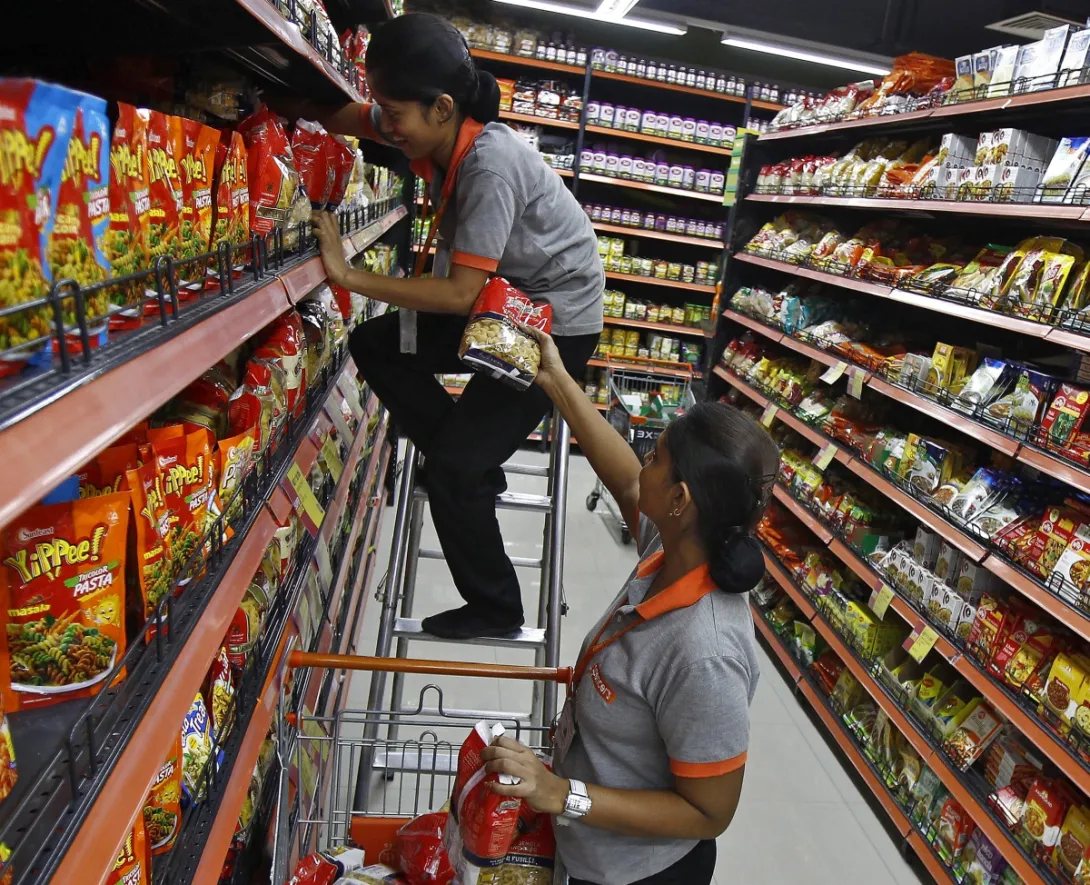
HUL Projects Volume-Driven Growth Amid Modest Price Increases
Hindustan Unilever Limited (HUL), India’s leading FMCG player, has indicated that the second half (H2) of the fiscal year will be driven predominantly by volume growth, as pricing pressures remain subdued. With consumer demand showing signs of resilience despite macroeconomic uncertainties, HUL expects modest price adjustments while focusing on expanding market penetration and enhancing distribution. Analysts highlight that a volume-led strategy enables HUL to maintain profitability without overburdening consumers, while leveraging operational efficiencies and brand equity to sustain growth in a competitive FMCG landscape.
Strategic Focus: Volume Over Price
HUL’s recent performance suggests that price growth in H1 was limited, reflecting cautious consumer spending patterns and competitive market dynamics. In response, H2 plans emphasize:
- Boosting Sales Volumes: Expanding reach across urban and rural markets through distribution enhancement and promotions.
- Product Mix Optimization: Prioritizing high-demand, fast-moving SKUs to capture consumer attention and increase turnover.
- Selective Price Adjustments: Maintaining affordability in essential categories while implementing modest price corrections in premium segments.
Industry experts note that volume-led strategies are particularly effective in price-sensitive markets, ensuring revenue growth without significant inflationary pass-through.
Market Dynamics and Consumer Behavior
Consumer sentiment in India is showing gradual recovery, with discretionary spending remaining cautious. HUL’s strategy reflects:
- Focus on Value Offerings: Ensuring products remain accessible to middle and lower-income segments.
- Rural Market Expansion: Leveraging rural penetration, which is seeing steady consumption growth.
- Category-Specific Promotions: Driving demand in home care, personal care, and packaged foods through targeted campaigns.
Such measures aim to balance growth and affordability, positioning HUL to capture incremental market share while safeguarding margins.
Operational Efficiencies and Innovation
HUL continues to emphasize cost management and operational efficiency to offset low price growth:
- Supply Chain Optimization: Reducing costs and improving product availability across markets.
- Brand Innovation: Launching new products and variants tailored to evolving consumer preferences.
- Sustainability Initiatives: Enhancing packaging and eco-friendly solutions, which also contribute to brand loyalty and operational efficiency.
Analysts suggest that these measures will help HUL sustain profitability even as pricing pressures remain moderate.
Industry Implications
HUL’s volume-led H2 strategy reflects broader FMCG trends in India:
- Shift Toward Affordability: Brands are increasingly relying on volume and penetration rather than price hikes.
- Consumer-Centric Growth: Firms are adapting offerings to meet demand patterns shaped by income sensitivity and evolving preferences.
- Competitive Benchmarking: Market leaders like HUL set the tone for peers, influencing pricing, promotion, and innovation strategies.
This approach may lead to higher market share gains for players able to balance affordability with premium offerings.
Conclusion: Navigating Growth Amid Price Constraints
HUL’s strategy of volume-driven growth in H2, supported by operational efficiency and product innovation, positions the company to weather low price growth environments while maintaining competitive advantage. By focusing on expanding reach, optimizing product mix, and selectively adjusting prices, HUL aims to sustain profitability, capture market share, and reinforce its leadership in India’s FMCG sector.
Comments