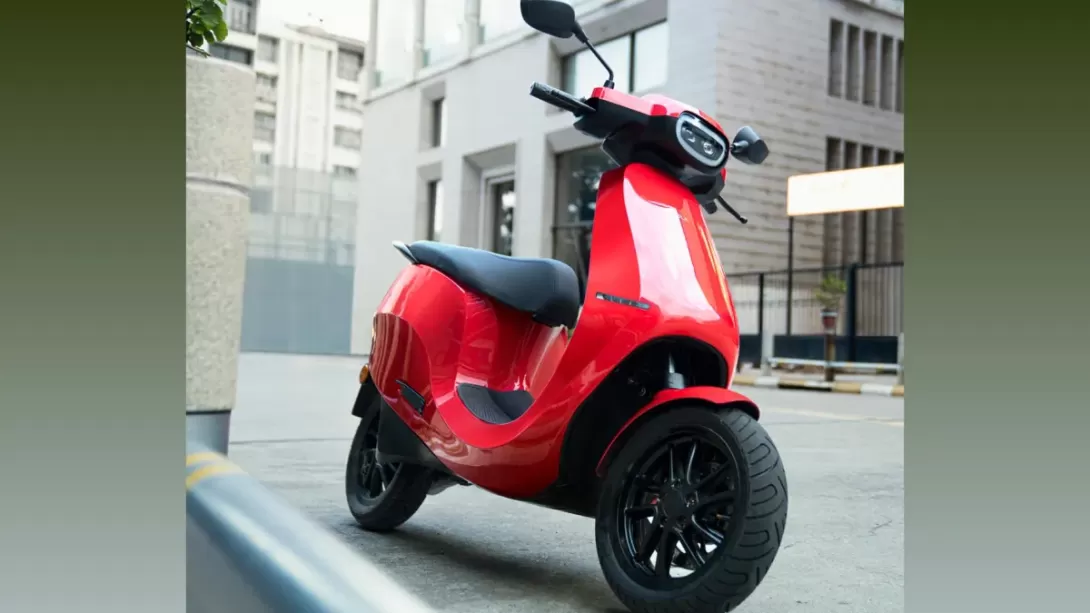
South Korean automotive giants Hyundai Motor Company and Kia Corporation have divested their entire stakes in Ola Electric Mobility, collectively offloading nearly 3.1% of the electric two-wheeler maker in transactions exceeding Rs 690 crore. Hyundai sold a 2.47% stake for Rs 552 crore, while Kia offloaded 0.62% for Rs 137 crore. Meanwhile, Citigroup Global Markets Mauritius acquired a 1.95% stake for Rs 435 crore. Ola Electric’s shares declined sharply following the sales amid mounting losses and shrinking revenues reported for the fiscal year ended March 2025, underscoring challenges in the competitive EV market.
Strategic Divestment by Hyundai and Kia
Hyundai Motor Company exited Ola Electric Mobility by selling its entire 2.47% stake, translating to over 10.88 crore shares, at an average price of Rs 50.70 per share. The transaction, valued at approximately Rs 552 crore, took place via an open market sale on the National Stock Exchange (NSE).
Simultaneously, Kia Corporation, a subsidiary within the Hyundai-Kia Automotive Group, divested 0.62% of Ola Electric, corresponding to over 2.71 crore shares. This sale was executed at an average share price of Rs 50.55, netting Kia around Rs 137 crore. These divestitures reflect a strategic withdrawal by the Korean automakers from their investments in India’s burgeoning but volatile electric two-wheeler sector.
New Institutional Investor Enters the Fray
In a separate transaction, Citigroup Global Markets Mauritius emerged as a significant new stakeholder by acquiring a 1.95% equity stake in Ola Electric. The investment, amounting to over 8.61 crore shares, was transacted at an average price of Rs 50.55 per share, with a deal value of Rs 435 crore.
The infusion of institutional capital from a reputed global investor could provide Ola Electric with some financial ballast amid its current operational challenges. However, the identity and intentions of other buyers in the open market remain undisclosed, adding an element of opacity to the shareholding reshuffle.
Market Reaction and Share Price Performance
Following the bulk transactions, Ola Electric’s stock price declined by 7.58%, closing at Rs 49.61 on the NSE. The dip reflects investor apprehension amid ongoing losses and the significant stake sales by marquee investors. The shift also signals a reassessment of Ola Electric’s valuation and prospects in a fiercely competitive market where operational profitability remains elusive.
Financial Performance: Losses Deepen Amid Revenue Decline
Ola Electric’s latest financial results highlight escalating challenges. The company posted a consolidated net loss of Rs 870 crore for the fourth quarter ended March 31, 2025. This marks more than a twofold increase from the Rs 416 crore loss reported during the same quarter in the previous fiscal year.
Revenue from operations also contracted sharply to Rs 611 crore in Q4 FY25 from Rs 1,598 crore a year earlier. For the full fiscal year 2025, Ola Electric reported a net loss of Rs 2,276 crore, widening from Rs 1,584 crore in FY24. Total revenue for FY25 stood at Rs 4,514 crore, down from Rs 5,010 crore in the preceding year.
Challenges and Outlook
The widening losses coupled with declining revenues underscore the intense headwinds Ola Electric faces. The company attributes these challenges to market dynamics, competitive pressures, and the cost structures inherent in scaling electric vehicle manufacturing and distribution.
Despite the setbacks, Ola Electric maintains its target of achieving profitability in the current fiscal year, signaling ongoing efforts to streamline operations, optimize costs, and enhance market share.
Conclusion
Hyundai and Kia’s exit from Ola Electric signals a strategic recalibration amidst evolving market realities in India’s electric vehicle segment. The substantial stake sales, coupled with entry of global institutional capital, reflect the dynamic and uncertain investment environment surrounding EV startups.
While Ola Electric confronts mounting financial pressures, its ability to turn around operations and capture long-term growth opportunities will be pivotal. The company’s journey underscores the broader challenges facing India’s nascent electric mobility industry as it transitions from government-backed incentives to sustainable commercial viability.
Comments