Hyundai Motor India Ltd. reported domestic sales of 69,894 units in October 2025, maintaining its growth trajectory amid robust festive season demand and continued consumer preference for SUVs. The company’s strong performance was fueled by popular models such as the Creta, Exter, and Venue, alongside steady traction in the premium and mid-size segments. Hyundai also exported 14,556 units during the month, reinforcing its position as a leading contributor to India’s automobile exports. The automaker’s performance reflects improving consumer sentiment, enhanced production capacity, and strategic product positioning in a competitive domestic market environment.
Festive Demand Fuels Sales Momentum
Hyundai India’s October sales underline the strength of the festive season, which traditionally drives one of the highest car-buying periods in the country. The company recorded domestic sales of 69,894 units, a modest but stable growth compared with the same month last year. The positive performance was driven by strong market traction across urban and semi-urban regions, aided by improved availability of vehicles and targeted retail initiatives.
Dealers across major markets reported buoyant showroom traffic during Navratri and Diwali promotions. Hyundai’s retail-focused campaigns, flexible finance schemes, and extended warranty offers further bolstered consumer confidence, helping sustain demand throughout the month.
SUVs Dominate the Sales Mix
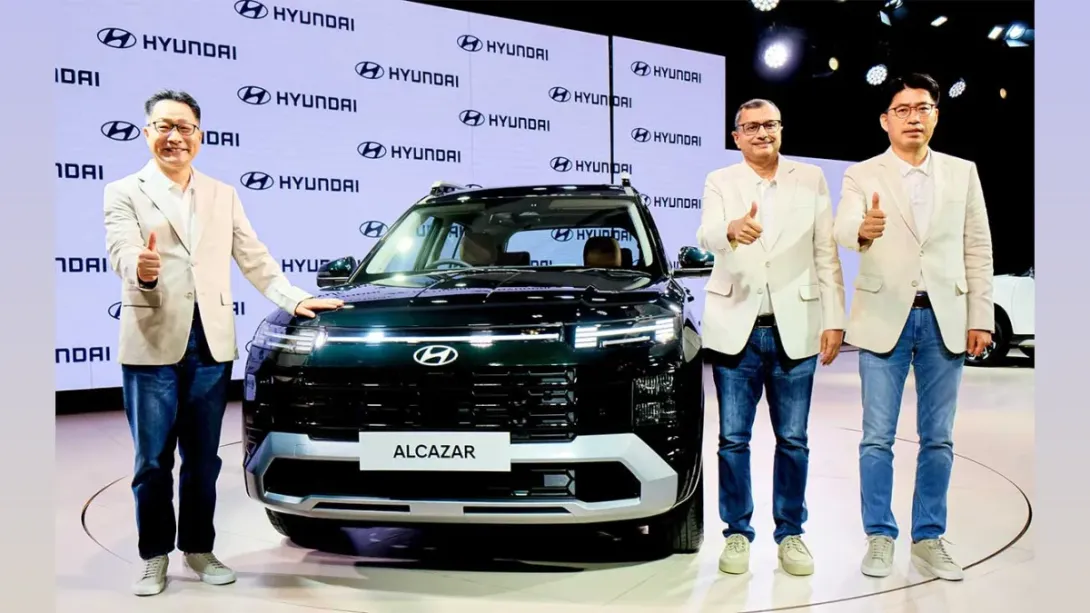
The SUV portfolio continued to be the cornerstone of Hyundai’s performance, contributing over 60% of its total sales. The Creta and Venue remained the brand’s bestsellers, while the compact Exter gained steady momentum among first-time car buyers. The Alcazar and Tucson, positioned in the premium segment, also contributed meaningfully to the brand’s top line.
The surge in SUV demand highlights the ongoing shift in consumer preference from entry-level hatchbacks to feature-rich, higher-segment vehicles. Hyundai’s ability to refresh its lineup with advanced safety, design, and connectivity features has strengthened its competitiveness against rivals such as Maruti Suzuki, Tata Motors, and Mahindra & Mahindra.
Exports Reflect Global Strength
Beyond domestic performance, Hyundai exported 14,556 units in October, reinforcing its strong presence in overseas markets. The company continues to be one of India’s leading car exporters, catering to markets across Latin America, Africa, and the Middle East.
Export growth has been supported by Hyundai’s flexible manufacturing strategy, which allows efficient production allocation between domestic and global markets. The automaker’s Chennai facility remains a key export hub within Hyundai’s global network, leveraging India’s cost efficiency and engineering expertise.
Industry Context and Market Trends
The broader Indian automotive market maintained an upbeat tone in October, supported by festive demand, improving macroeconomic conditions, and higher rural spending. Passenger vehicle sales have been steadily recovering as supply chain constraints ease and new product launches attract diverse customer segments.
Analysts suggest that the Indian auto industry may close FY2025–26 with mid-single-digit growth, with SUVs, premium hatchbacks, and hybrid vehicles driving overall momentum. Hyundai, with its diversified lineup and consistent brand recall, remains well-positioned to capitalize on this expansion phase.
Future Outlook
Looking ahead, Hyundai Motor India plans to further strengthen its portfolio with new launches and updates across the SUV and electric vehicle segments. The company is also focusing on expanding its EV infrastructure, with multiple models slated for introduction under its electrification roadmap.
Executives at Hyundai have emphasized their commitment to aligning business growth with sustainability, innovation, and customer satisfaction. The October performance demonstrates the automaker’s resilience and adaptability in a dynamic market, positioning it strongly as India’s passenger vehicle sector transitions toward cleaner, smarter, and more connected mobility solutions.
Comments