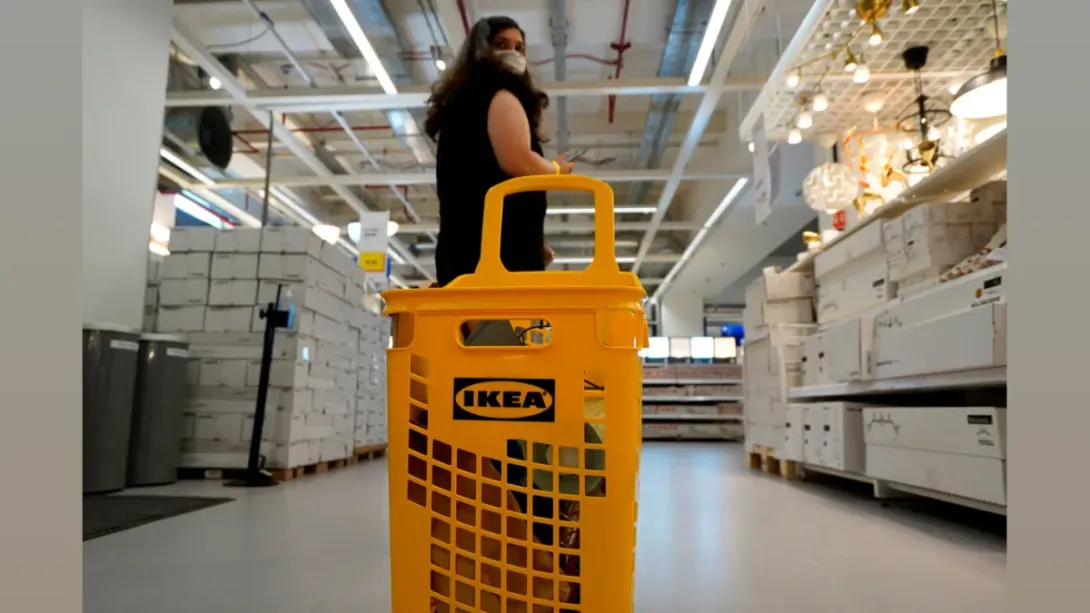
Global furniture giant IKEA has expressed confidence in India’s long-term growth potential, outlining a strategic vision that spans the next three decades. The Swedish retailer, known for its affordable and modular home furnishings, sees the country as a key driver of its global expansion due to its young population, rising middle class, and urbanization trends. IKEA plans to deepen its presence through a mix of large-format stores, smaller city outlets, and an expanded online marketplace. Industry analysts believe the company’s sustained commitment could reshape India’s organized furniture retail sector while boosting local manufacturing and job creation.
---
Long-Term Commitment to the Indian Market
IKEA entered India with its first store in 2018 and has since pursued a measured expansion strategy, adapting its global model to suit local preferences. The retailer’s leadership now views India not as a short-term growth play, but as a 30-year opportunity—driven by favorable demographics, rising consumer aspirations, and evolving home design preferences.
The company aims to steadily expand its footprint in both metro cities and emerging urban centers, ensuring accessibility for a broad consumer base. This approach balances scale with local relevance, a factor critical for success in India’s diverse market.
---
Multi-Channel Retail Strategy
IKEA’s India strategy blends large warehouse-style stores with smaller city outlets to cater to different shopping behaviors. The company is also investing heavily in its e-commerce platform, recognizing that online sales are essential for reaching consumers in regions where physical stores are not yet present.
By integrating physical and digital channels, IKEA seeks to offer a seamless shopping experience—allowing customers to browse, order, and customize furniture with ease, whether online or in-store.
---
Boost to Local Manufacturing and Supply Chains
IKEA has committed to increasing local sourcing in India, aligning with the government’s ‘Make in India’ initiative. The company already partners with domestic manufacturers to produce a significant portion of its product range, and plans to expand this further to reduce import dependency and strengthen supply chain resilience.
This localized approach not only supports Indian industry but also helps IKEA maintain competitive pricing, a crucial factor in attracting price-sensitive consumers while maintaining quality standards.
---
Industry Outlook and Competitive Landscape
India’s organized furniture and home décor market remains under-penetrated, with vast potential for growth as consumer spending power rises. IKEA’s long-term vision positions it to capture a substantial share of this evolving market, although competition from domestic brands and online marketplaces will remain a constant challenge.
Analysts say the company’s success will depend on maintaining affordability, enhancing customer experience, and continuously innovating to match the pace of urban lifestyle changes in India.
Comments