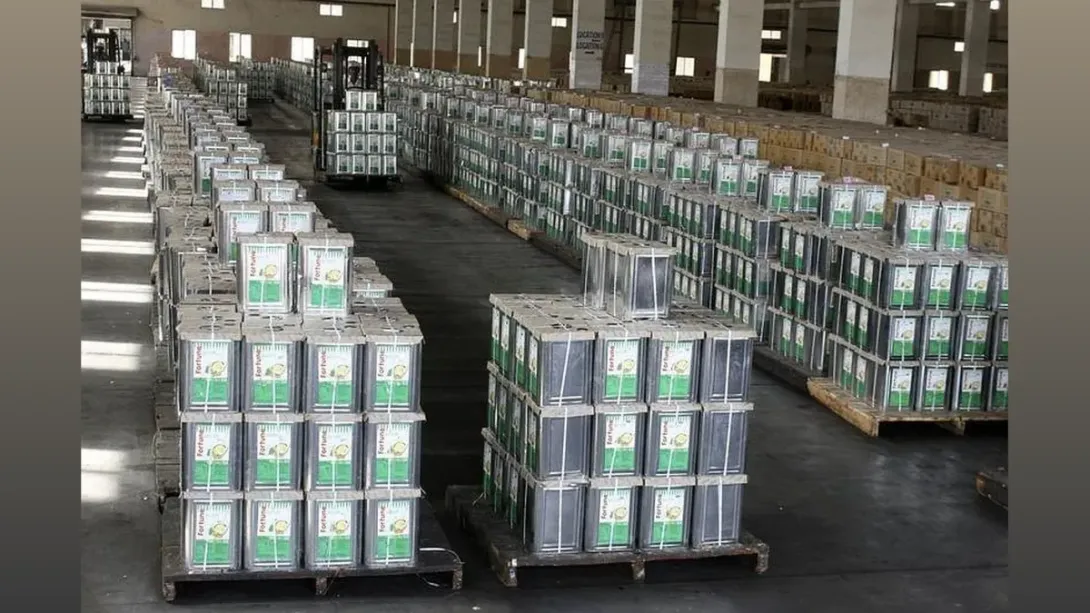
Adani Enterprises has executed a significant strategic move by divesting its controlling stake in AWL Agri, transferring ownership to its long-standing joint-venture partner Wilmar. The transaction marks a recalibration of Adani’s portfolio, allowing the conglomerate to streamline its focus on core infrastructure and energy businesses while enabling Wilmar to fortify its position in India’s fast-expanding food and agri-processing market. The deal also signals growing consolidation within the sector, as global players seek deeper integration across supply chains. Analysts view the divestment as part of Adani’s broader capital optimization strategy amid evolving consumer demand and heightened competition.
Adani Realigns Business Priorities
Adani Enterprises’ decision to sell its stake in AWL Agri underscores the group’s ongoing efforts to optimize its business portfolio. With diversified interests ranging from ports and logistics to energy and airports, the conglomerate has increasingly focused on scaling infrastructure assets while rationalizing non-core operations.
By exiting AWL Agri, Adani shifts its attention to capital-intensive sectors with long-term growth potential, aligning with its strategic focus on green energy, transport networks, and digital infrastructure. This repositioning is consistent with the group’s financial discipline, especially amid dynamic global market conditions.
Wilmar Deepens Footprint in India’s Agri-Value Chain
The acquisition strengthens Wilmar’s footprint in India, one of the world’s most promising consumer markets for packaged foods and edible oils. With AWL Agri under full control, Wilmar gains greater flexibility in decision-making, supply chain integration, and product expansion.
Industry observers note that Wilmar’s move reflects a broader trend among multinational agribusinesses seeking to consolidate processing operations closer to consumption hubs. India’s expanding middle class and evolving dietary preferences offer a compelling opportunity for companies positioned to scale production and distribution efficiently.
Implications for the Packaged Food and Edible Oil Market
The transfer of ownership is expected to influence pricing strategies, supply chain management, and product diversification across AWL Agri’s portfolio. The company has built strong brand recognition, and under Wilmar’s stewardship, it may pursue aggressive expansion into value-added categories.
Improved operational alignment could translate into lower costs and more competitive offerings at a time when inflationary pressures and global commodity volatility continue to impact food markets. As consumption patterns shift toward convenience-oriented products, companies with strong global linkages and efficient manufacturing networks will hold a competitive edge.
Strengthening Capital Structure for Adani Enterprises
For Adani Enterprises, the divestment provides additional liquidity and flexibility to reinforce its balance sheet. The conglomerate has been accelerating investments in renewable energy, logistics, and data infrastructure, sectors that require sustained capital commitment.
Analysts suggest that this transaction may be part of a broader financial strategy aimed at reducing leverage in select verticals while consolidating capital around high-growth engines. The group has consistently emphasized its intention to maintain financial resilience and strategic agility in light of global economic uncertainties.
Future Outlook: A Win-Win Transition
The sale of AWL Agri to Wilmar represents a structural shift that benefits both parties. Adani Enterprises gains the opportunity to sharpen its focus on transformative infrastructure projects, while Wilmar enhances its competitive positioning in India’s dynamic food processing ecosystem.
Market experts expect the deal to spur further consolidation in the sector as companies seek economies of scale and improved supply chain integration. As consumer demand continues to evolve, strategic partnerships and portfolio realignments such as this will shape the next phase of India’s agri-food industry.
Comments