China’s imports of steel and alloy pipes have witnessed a sharp rise in FY25, driven by accelerating investments in infrastructure, construction, and energy projects. The surge reflects the country’s growing reliance on high-quality industrial inputs to meet expanding domestic needs, particularly in sectors such as oil and gas, manufacturing, and urban development. The increase also highlights China’s shifting trade patterns, as it sources more specialized and high-grade pipe materials from international markets to support its post-pandemic industrial revival and large-scale urban modernization initiatives.
Imports Accelerate on Strong Domestic Demand
In the first half of FY25, China recorded a notable uptick in its import of steel, seamless, and alloy pipes — a key component in sectors ranging from construction to heavy industry. Market analysts attribute this rise to sustained domestic demand amid government-backed infrastructure investments and rapid expansion in manufacturing output.
China’s ongoing push for industrial upgrading and modernization has further boosted the import of technologically advanced, high-specification pipes used in oil refineries, thermal power plants, and renewable energy projects. The demand surge comes as Beijing intensifies efforts to stabilize economic growth through fixed-asset investments, even as global demand for Chinese exports moderates.
Infrastructure and Energy Projects Drive Growth
Infrastructure has emerged as the cornerstone of China’s post-pandemic recovery strategy. With multiple provincial governments announcing large-scale projects in transportation, water systems, and energy networks, the demand for specialized pipe products has risen sharply.
Oil and gas companies have also expanded their exploration and pipeline installation activities, prompting higher imports of corrosion-resistant and high-pressure pipes. The ongoing shift toward green energy — including hydrogen, wind, and solar power infrastructure — has similarly contributed to the growing demand for steel and alloy pipes with advanced performance standards.
Trade Patterns Reflect Industrial Upgradation
China’s import profile is evolving as the nation seeks to enhance the quality and efficiency of its industrial base. Instead of focusing on bulk raw materials, the country is increasingly sourcing value-added and precision-engineered products that support high-end manufacturing and technological development.
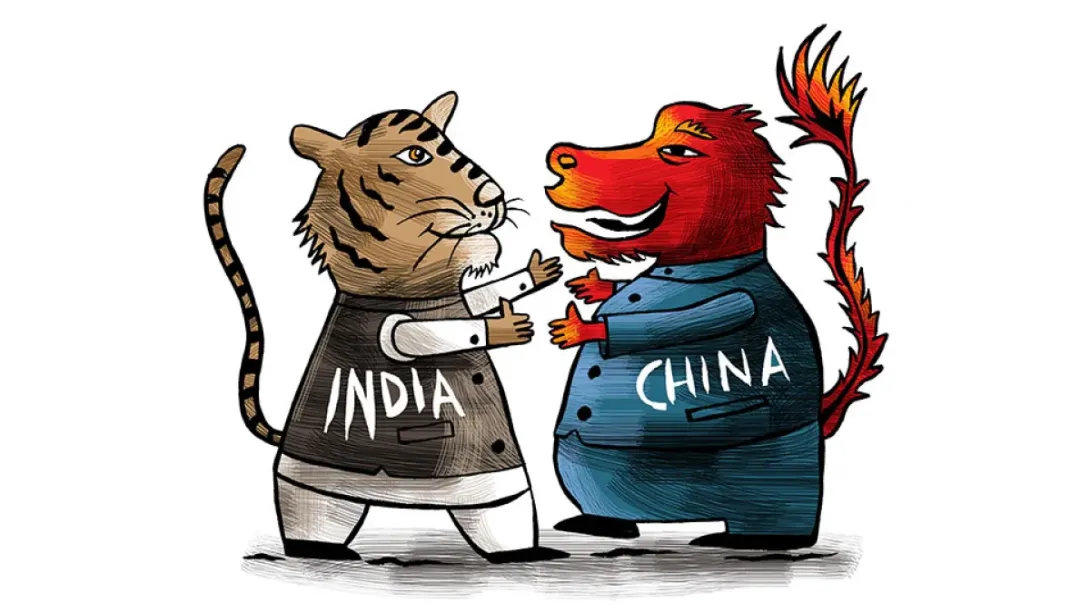
Major suppliers of steel and alloy pipes to China include Japan, South Korea, Germany, and India — countries known for producing advanced metallurgical products. This diversification of sourcing not only ensures quality and reliability but also supports China’s ambition to move up the value chain in industrial manufacturing.
Price Trends and Market Implications
Global steel prices have remained volatile, influenced by fluctuations in raw material costs, freight rates, and currency movements. However, China’s import surge indicates that domestic industries are willing to absorb higher costs in exchange for improved product quality and reliability.
Analysts believe the momentum in pipe imports may continue through FY25, particularly if the Chinese government maintains its infrastructure-focused growth policies. The trend also underscores the resilience of the country’s industrial demand despite external challenges such as sluggish exports and geopolitical tensions.
Strategic Outlook
The rise in pipe imports illustrates the broader transformation underway in China’s industrial economy — from a low-cost, export-driven model to one focused on technological sophistication and domestic value creation. As China continues to invest in modernizing its infrastructure and manufacturing ecosystem, its appetite for high-performance materials is set to remain strong.
In the medium term, this trend could reshape global trade flows in the steel and alloy sector, with suppliers benefiting from consistent Chinese demand for advanced engineering materials. For India and other regional producers, the opportunity lies in aligning export strategies with China’s evolving industrial requirements and maintaining competitive product standards.
Comments