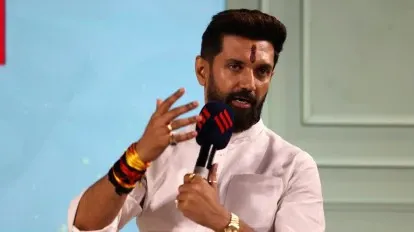
Chirag Paswan’s ascent marks one of the most compelling political narratives of the year, as he steers his party to a performance that nearly matches the peak achieved under his late father, a towering figure in regional politics. Defying early doubts and internal friction, Paswan has consolidated his leadership with a blend of emotional appeal, calibrated strategy and modern campaign techniques. His rise signals a generational shift, reshaping the political contours of his state and positioning him as a significant player in national discourse. The near-historic showing demonstrates not only party revival but also a renewed voter mandate under his stewardship.
---
A Leader Coming Into His Own
Chirag Paswan’s latest electoral victory represents more than a numerical achievement—it reflects a deep transformation within his party and its voter base. Initially viewed with skepticism after internal splits and prolonged factional disputes, Paswan has steadily rebuilt organisational strength, focusing on disciplined messaging and grassroots engagement. His ability to navigate these challenges while retaining the symbolic weight of his father’s legacy has allowed him to craft a leadership identity that is both contemporary and rooted in tradition.
Observers note that Paswan’s campaign style stood out for its emotional resonance, emphasising continuity, remembrance and renewal at a moment when the party needed a unifying figure.
---
Reclaiming Lost Ground Through Strategy
Much of the party’s revival can be attributed to Paswan’s strategic recalibration. He prioritised rebuilding district-level machinery, re-engaging loyal workers and deploying targeted outreach in constituencies where his father once commanded sweeping influence. His emphasis on youth mobilisation, digital communication and direct voter contact elevated the campaign’s visibility across demographics.
Analysts say this strategic pivot helped the party regain constituencies previously considered out of reach. The disciplined coordination between local cadres and central leadership also created an electoral momentum that strengthened as voting neared.
---
The Weight of Legacy and the Power of Reinvention
For Chirag Paswan, political inheritance has been both an asset and a burden. The shadow of his father’s towering reputation loomed large, especially as critics questioned whether he could sustain the momentum built over decades. Yet Paswan’s near-historic performance reflects a careful balance between honouring the past and articulating a forward-looking narrative.
His insistence on maintaining the party’s ideological core, while adapting to new political realities, appears to have resonated with voters seeking stability without stagnation. This blend of legacy and reinvention is now emerging as his signature political approach.
---
A New Generation’s Stamp on Regional Politics
Paswan’s rise highlights a broader generational shift taking place across Indian politics. As younger leaders inherit organisational structures and historical loyalties, they face the dual challenge of modernising their parties while preserving cultural and ideological continuity. In this context, Paswan’s success serves as an example of how new-age political leadership—rooted in public empathy, technological fluency and agile communication—can reshape electoral outcomes.
Political analysts believe that his growing prominence could extend beyond regional boundaries, potentially enriching national political debates in the years ahead.
---
What This Means for the Party’s Future
With this near-record performance, the party stands poised for long-term renewal. The restored confidence among cadres, expanded voter base and strengthened legislative presence collectively place Chirag Paswan at the heart of the organisation’s future strategy.
If he continues to build on this momentum, he may well redefine the party’s role in regional coalitions and national alliances. For now, his achievement underscores a simple, powerful truth: leadership once doubted has evolved into leadership reaffirmed.
Comments