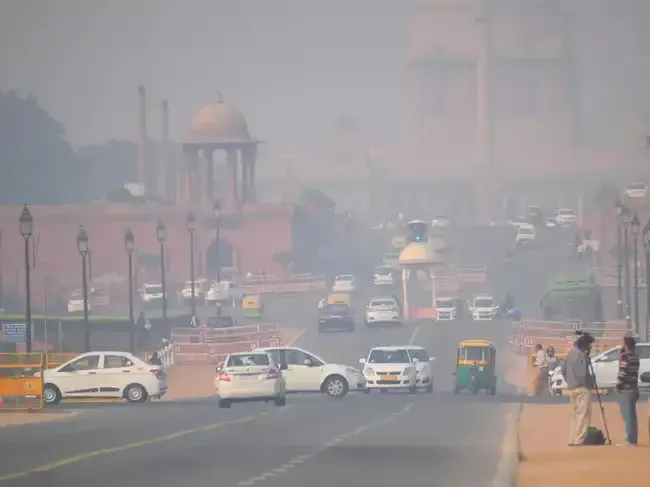
In recent months, the national capital has experienced a confluence of social, economic and infrastructural developments, underscoring a period of transformation and challenge for Delhi. From renewed efforts to decongest urban traffic and expand public transport, to heightened debate over air quality regulations and housing affordability, the city is grappling with pressures emblematic of rapid urbanization. At the same time, emerging cultural initiatives and civic engagement efforts reflect a growing public demand for sustainable growth and inclusive urban planning. These dynamics make Delhi a microcosm of contemporary urban India — where progress, pressure and public policy intersect.
Transport and Infrastructure: Urban Mobility in Focus
Delhi’s municipal and state authorities have recently launched a series of initiatives aimed at easing traffic congestion and enhancing public transport accessibility. These include expanded metro corridor proposals, upgraded bus fleets, and dedicated lanes for high-capacity buses. The goal: reduce reliance on private vehicles and curb commute times in a metropolis struggling with peak-hour gridlock.
Urban planners emphasize that improving last-mile connectivity, better enforcement of parking regulations, and development of satellite transit hubs will be critical to realizing these mobility objectives. If successful, these measures could significantly enhance productivity, reduce pollution, and improve quality of life across the city’s diverse neighborhoods.
Air Quality and Environmental Health: Continuing the Struggle
Air pollution remains a perennial challenge for Delhi, particularly during late autumn and winter, when meteorological conditions exacerbate smog formation. Environmental scientists and public health advocates have renewed calls for stricter emissions enforcement, curbs on crop-burning in surrounding regions, and accelerated adoption of cleaner public transport.
This season’s advisory urges residents to limit outdoor exposure during pollution peaks, while local governments explore incentives for electric vehicle use and punitive measures for heavy-emitting vehicles. Effective mitigation will depend not only on urban policy but also on regional cooperation to address air-shedwide sources of pollution.
Housing & Affordability: Pressure on Urban Living Standards
As migration to Delhi continues, demand for housing has surged—triggering increased rents and inflating property prices, especially in peripheral areas. Analysts warn that without thoughtful regulation, the rising cost of urban living may displace lower-income residents to distant suburbs, exacerbating economic inequality and burdening transport infrastructure.
Affordable housing schemes and redevelopment of underused urban plots have been proposed by city planners, though execution remains slow. Experts argue that transparent zoning reforms and inclusive urban redevelopment policies will be essential to preventing a housing crisis.
Civic Engagement, Culture & Urban Identity
Despite the challenges, Delhi’s civil society and cultural organizations are pushing for renewed civic engagement and community-centered development. Recent festivals, art installations, and public-space revitalization projects reflect a growing desire among residents to reclaim the city’s shared spaces and urban heritage.
Such grassroots momentum suggests that urban residents no longer view themselves merely as consumers of city services—but as stakeholders in shaping the future of the capital. If supported by effective governance, this engagement could foster more resilient and inclusive urban development.
The Road Ahead: Governance, Sustainability, and Inclusive Growth
Delhi stands at a critical juncture: its future depends on how well policy response, civic participation, and infrastructure investment align. Policymakers must balance immediate needs—clean air, traffic flow, housing—with long-term sustainability, equitable growth, and social inclusion.
Urban economists note that successful reform could transform Delhi into a model for other fast-growing cities in the region; failure could exacerbate inequalities and undermine livability. The coming months will be pivotal in determining whether the capital navigates these challenges with foresight or succumbs to short-term pressures.
Comments