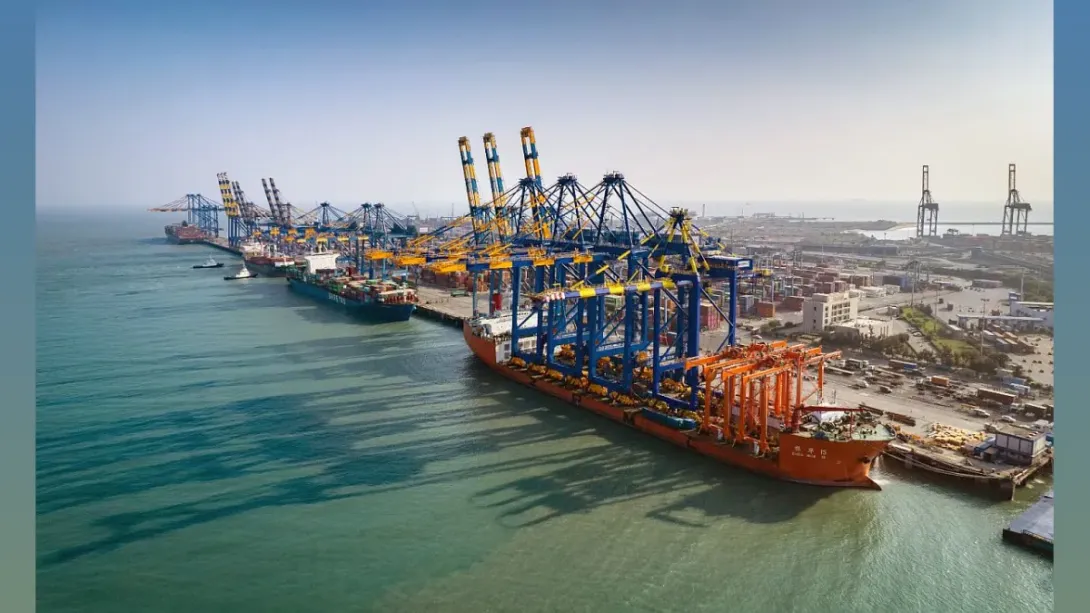
Dighi Port in Maharashtra is set to ramp up its operations to handle 2 lakh cars annually, positioning itself as a strategic hub for India’s automotive and logistics sectors. The expansion is driven by growing domestic vehicle demand, rising exports, and increased manufacturing output in the region. Equipped with enhanced storage, Ro-Ro (roll-on/roll-off) facilities, and streamlined customs operations, the port aims to provide efficient handling and faster turnaround times for automakers and shipping partners. This development reinforces Dighi Port’s role in India’s supply chain ecosystem, supporting industrial growth, export competitiveness, and regional economic development.
Dighi Port Expands Automotive Handling Capacity
Dighi Port, located near the industrial hubs of Maharashtra, has announced an operational upgrade to manage 2 lakh vehicles annually. This milestone positions the port as a key automotive logistics node, catering to domestic manufacturers and export-oriented operations.
The expansion includes modernised berths, advanced cargo handling systems, and dedicated storage areas designed specifically for passenger vehicles, commercial trucks, and specialty vehicles. Port authorities emphasised that these upgrades will enhance efficiency, reduce dwell time, and provide a seamless experience for shipping companies and automobile manufacturers.
Infrastructure and Operational Enhancements
To accommodate the increased volume, Dighi Port has invested in state-of-the-art Ro-Ro facilities, mechanised parking zones, and real-time tracking systems for vehicles. The port has also strengthened its customs and regulatory processes, allowing faster clearance and reduced logistical bottlenecks.
Officials note that the port’s location near major automotive manufacturing clusters provides strategic advantages, reducing transit costs and facilitating faster distribution to domestic and international markets.
Impact on Automotive and Logistics Sectors
The enhanced vehicle-handling capacity is expected to benefit automakers by improving supply chain efficiency, lowering inventory holding costs, and supporting timely deliveries. Logistics providers will gain from streamlined operations, higher throughput, and improved turnaround times, contributing to overall competitiveness.
Industry analysts highlight that ports like Dighi are critical for India’s automotive exports, enabling manufacturers to tap into global markets with greater reliability and speed.
Economic and Regional Implications
The port’s expansion is likely to generate employment opportunities across cargo handling, logistics, and ancillary services, boosting regional economic activity. Increased throughput also contributes to Maharashtra’s industrial ecosystem, enhancing its status as a manufacturing and export hub.
By strengthening infrastructure and operational capacity, Dighi Port aligns with national objectives of improving port efficiency, facilitating trade, and promoting investment in strategic industrial corridors.
Future Outlook
Port authorities plan further enhancements, including digitised cargo management, green energy initiatives, and partnerships with automobile manufacturers for integrated logistics solutions. With these developments, Dighi Port is poised to play a central role in India’s automotive supply chain, supporting both domestic demand and export growth while driving regional industrial development.
Comments