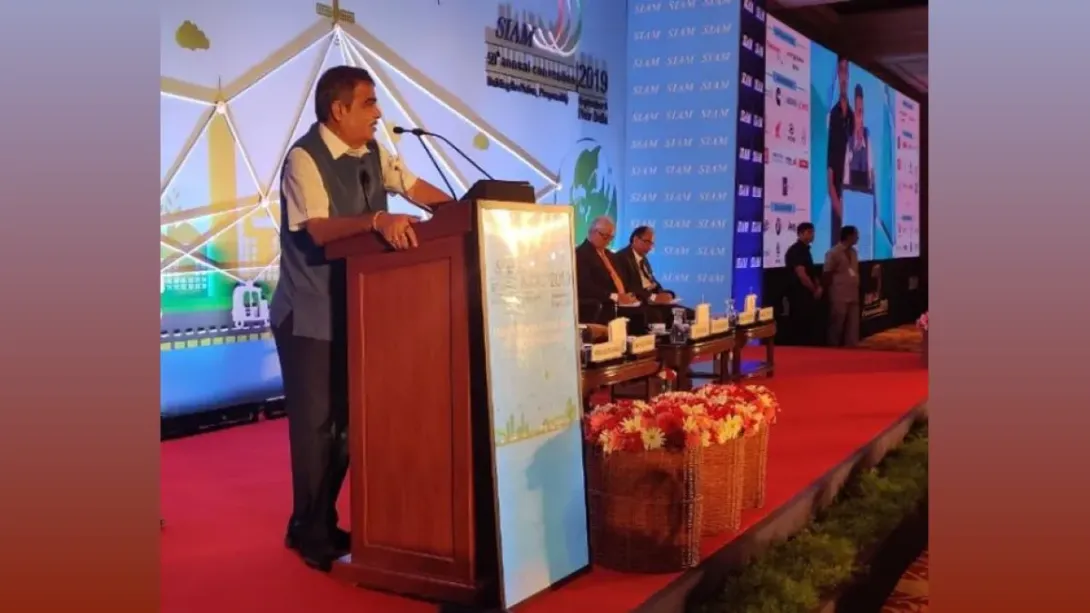
India’s Union Minister for Road Transport and Highways, Nitin Gadkari, has projected that electric vehicle (EV) prices will soon align with conventional petrol vehicles, marking a significant milestone in the nation’s transition toward sustainable mobility. Citing advancements in battery technology, economies of scale, and government incentives, Gadkari emphasized that the price parity will make EVs more accessible to a broader demographic. This development is expected to accelerate adoption, reduce carbon emissions, and reshape India’s automotive landscape, while presenting opportunities for domestic manufacturing, renewable energy integration, and infrastructure expansion in line with the country’s vision for a green transport ecosystem.
---
The minister highlighted that improvements in lithium-ion battery efficiency and cost reduction are central to achieving price parity between electric and petrol vehicles. As battery production scales up domestically, the cost per kilowatt-hour is expected to decline, directly impacting EV affordability.
Government initiatives, including subsidies, tax incentives, and FAME scheme extensions, are also contributing to narrowing the cost gap. These measures aim to stimulate demand, encourage local manufacturing, and support the development of charging infrastructure across urban and rural areas.
Industry stakeholders note that price parity will significantly boost consumer confidence, particularly among first-time EV buyers. Reduced total cost of ownership, lower maintenance expenses, and savings on fuel costs are likely to drive rapid adoption, positioning EVs as a viable alternative to conventional vehicles in both personal and commercial segments.
The anticipated alignment of EV and petrol vehicle prices is expected to strengthen India’s domestic EV industry, fostering innovation in battery technologies, vehicle design, and energy storage solutions. It will also create avenues for investment in charging networks, grid integration, and renewable energy adoption to support the growing fleet of electric vehicles.
Market analysts suggest that achieving cost parity could transform India’s automotive market dynamics, leading to increased competition, greater consumer choice, and accelerated development of supporting industries such as battery recycling, smart grids, and vehicle-to-grid solutions.
Gadkari’s announcement underscores the government’s commitment to a sustainable transportation ecosystem, aligning with national goals for carbon neutrality, reduced urban pollution, and energy security. As prices converge, EVs are poised to become mainstream, reshaping mobility patterns and fostering long-term environmental and economic benefits.
Comments