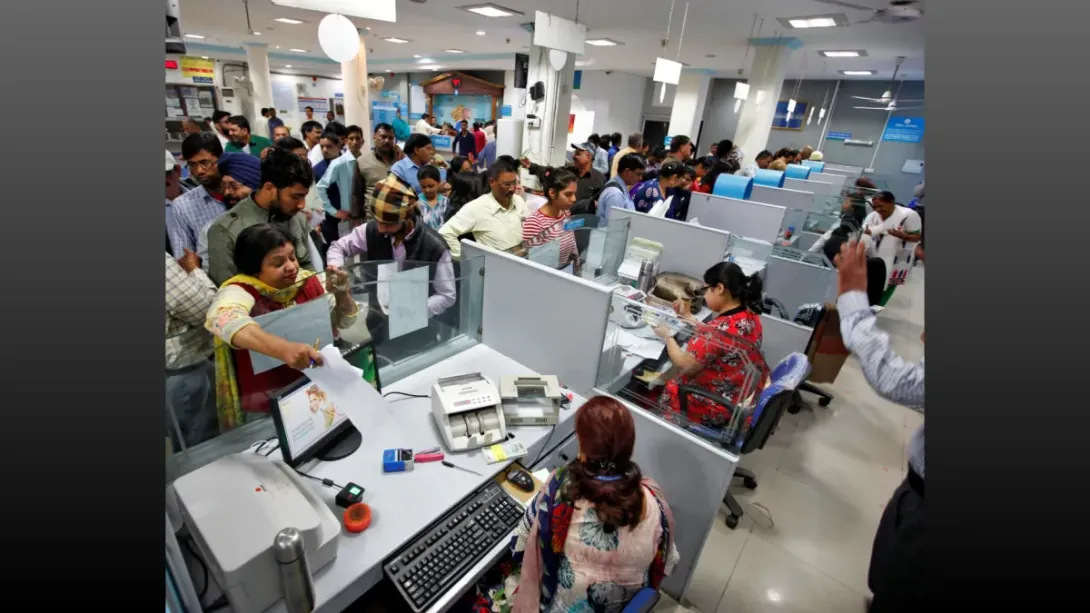
Federal Bank reported a decline in net profit for the second quarter of FY2024–25, primarily due to higher provisions set aside to strengthen its balance sheet against potential asset stress. The bank’s net profit dropped despite steady growth in core lending and stable net interest income, highlighting a conservative approach to risk management in a dynamic macroeconomic environment. Analysts note that while short-term profitability is impacted, proactive provisioning enhances long-term resilience, supports asset quality, and positions the bank to navigate sectoral challenges. The results underscore Federal Bank’s commitment to financial prudence, operational discipline, and sustainable growth amid evolving market conditions.
Profitability Impacted by Higher Provisions
Federal Bank’s Q2 results showed a decline in net profit, attributed to increased provisioning for standard and stressed assets. These provisions were designed to bolster the bank’s capital buffers and safeguard against potential non-performing assets (NPAs), reflecting a risk-averse strategy.
Core operations, including net interest income (NII) from retail and corporate lending, remained stable, but higher credit costs moderated overall profitability. Management emphasized that this approach prioritizes long-term asset quality over short-term earnings volatility.
Loan Growth and Business Segments
The bank maintained steady growth in retail, SME, and corporate loans, contributing to healthy interest income. Retail lending, particularly home loans and personal loans, continued to perform well, while SME financing saw measured expansion aligned with credit quality standards.
Corporate advances were selectively extended to high-rated borrowers, mitigating concentration risk. The bank’s deposit base remained robust, supporting liquidity and funding requirements while enabling continued support for lending operations.
Asset Quality and Risk Management
Federal Bank strengthened its provision coverage ratio (PCR) in response to potential stress in certain sectors. Gross and net NPAs remained within acceptable industry benchmarks, underscoring the bank’s focus on disciplined credit underwriting and early recognition of risks.
Analysts view the elevated provisioning as a prudent measure to enhance resilience against macroeconomic uncertainties, including sector-specific slowdowns and regulatory changes, while maintaining investor confidence.
Operational Efficiency and Cost Management
Operating expenses grew in line with business expansion, but the cost-to-income ratio remained controlled. Investments in digital banking and process automation improved operational efficiency, reduced turnaround times, and enhanced customer experience.
The bank’s digital initiatives also facilitated better monitoring of risk, compliance, and lending performance, ensuring sustainable operational scalability.
Capital Adequacy and Strategic Outlook
Federal Bank’s capital adequacy ratio (CAR) remained above regulatory requirements, providing ample room for lending growth and strategic initiatives. Management reiterated a focus on prudent risk management, diversified lending, and controlled expansion to maintain financial stability.
Despite short-term pressure on profits, the bank is positioned for sustainable growth, leveraging its strong balance sheet, conservative provisioning, and operational discipline.
Analyst Perspective and Market Implications
Market analysts interpret the Q2 results as a cautious but strategically sound approach to asset quality management. While profitability is temporarily impacted, proactive provisioning enhances resilience, supports regulatory compliance, and positions the bank to absorb potential economic shocks.
Federal Bank’s conservative strategy may moderate near-term returns but strengthens long-term financial stability, benefiting investors, depositors, and the broader banking ecosystem.
Conclusion: Balancing Prudence with Growth
Federal Bank’s second-quarter performance reflects a deliberate balance between profitability and prudence. Higher provisions moderated net profit but reinforced asset quality and long-term resilience.
With steady loan growth, operational efficiency, and robust capital buffers, the bank is well-positioned to maintain financial stability, navigate uncertainties, and pursue sustainable growth in India’s evolving banking landscape.
Comments