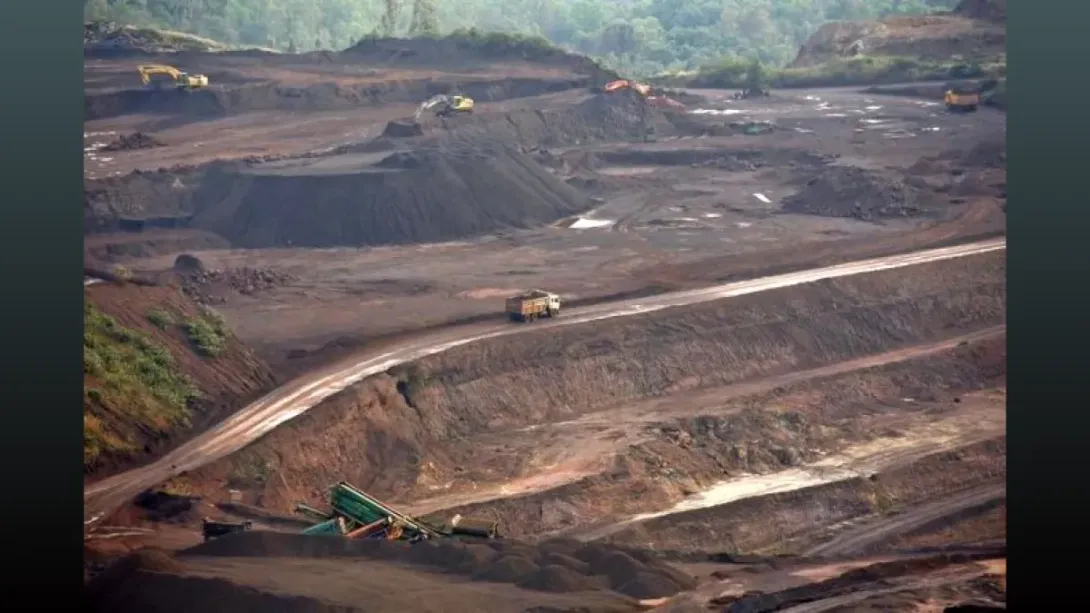
India’s mining industry is calling for policy reforms to boost competitiveness, with the Federation of Indian Mineral Industries (FIMI) urging the government to abolish export duties on low-grade iron ore. According to the industry body, the current duty structure not only undermines the viability of exports but also hampers the utilization of mineral resources that have limited demand domestically. Removing such barriers, FIMI argues, would stimulate international trade, enhance revenue streams, and align India’s mineral policies with global market realities. The move is seen as critical for ensuring balanced resource management and strengthening the sector’s global presence.
---
Industry Concerns on Export Duty
FIMI has consistently highlighted that India possesses abundant reserves of low-grade iron ore, much of which remains underutilized due to weak demand within the domestic steel sector. Export duties, particularly on ore with iron content below 58%, have discouraged shipments to international markets where demand persists. The association contends that maintaining these duties effectively leaves a significant portion of India’s mineral wealth untapped, depriving miners and the broader economy of potential earnings.
---
Economic Rationale for Removal
The industry body underscores that low-grade ore is not competitively used in Indian steelmaking, which prefers higher-grade inputs for efficiency and productivity. In this context, export restrictions limit revenue potential without offering tangible benefits to domestic industries. Removing duties, FIMI argues, would allow India to monetize surplus resources, boost foreign exchange inflows, and create new opportunities for smaller mining firms that lack access to high-grade deposits.
---
Global Trade Implications
Internationally, several markets rely on low-grade ore for blending and cost-effective steelmaking. By maintaining export barriers, India risks ceding ground to competitors such as Australia and Brazil, which dominate the global supply chain. Facilitating exports would not only strengthen India’s position as a reliable supplier but also help diversify trade partnerships at a time when geopolitical shifts are reshaping global commodities markets.
---
Policy and Sustainability Considerations
FIMI has also emphasized that any policy realignment should be accompanied by measures promoting sustainable mining practices. Ensuring responsible extraction, investing in beneficiation technologies, and addressing environmental concerns remain central to the long-term viability of the sector. The call for duty removal, therefore, is framed not merely as a short-term relief but as part of a broader agenda to optimize resource utilization while aligning with India’s development goals.
---
Outlook
The government’s response to FIMI’s appeal will be closely watched, as it could signal a significant shift in India’s mineral export policy. If duties on low-grade iron ore are scrapped, the move could unlock new trade opportunities, improve margins for miners, and position India more competitively in global iron ore markets. However, balancing industry demands with domestic priorities and sustainability commitments will be essential to ensure long-term benefits for the economy.
Comments