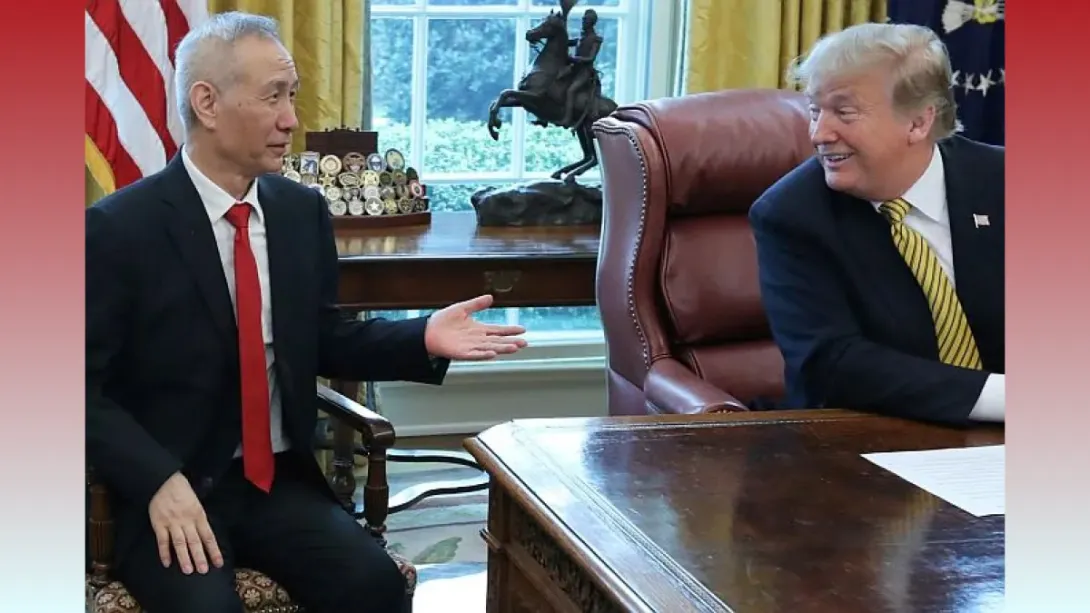
Recent trade agreements between the United States and Asia-Pacific (APAC) economies have helped stabilize global market sentiment and reduce policy uncertainty, according to a new analysis by Fitch Ratings. The credit rating agency noted that these developments are likely to boost investor confidence, strengthen regional supply chains, and mitigate trade tensions that had previously dampened cross-border investment. While challenges such as geopolitical frictions and protectionist measures remain, Fitch believes the evolving trade framework signals a more predictable and cooperative environment for international commerce, benefiting both advanced and emerging economies across the Indo-Pacific region.
Strengthening Trade Frameworks Between the US and APAC
In its latest global outlook, Fitch Ratings stated that a series of trade collaborations and renewed dialogue between the United States and Asia-Pacific economies have contributed to a reduction in global trade uncertainty. The agency highlighted that recent policy engagements — including digital trade agreements, technology cooperation, and supply-chain partnerships — have provided much-needed predictability for businesses operating in the region.
According to Fitch, the re-engagement of the US in Indo-Pacific economic frameworks has reinforced investor sentiment, particularly in sectors such as semiconductors, green energy, and manufacturing. These developments come at a time when global supply chains are undergoing diversification, with many firms seeking alternatives to mitigate overdependence on single markets.
Fitch Sees Improved Outlook for Regional Stability
Fitch’s report emphasized that the improvement in trade relations between Washington and APAC capitals could have a positive spillover effect on global economic growth. The easing of trade tensions, it noted, reduces the likelihood of abrupt policy shocks that could disrupt international commerce.
The agency further pointed out that initiatives under the Indo-Pacific Economic Framework (IPEF) — focusing on digital trade, supply chain resilience, and clean energy cooperation — represent an important step toward institutionalizing transparent trade norms. These efforts have helped create a platform for economic coordination, even in the absence of large-scale tariff reductions typical of traditional free trade agreements.
While not as expansive as older multilateral pacts like the Trans-Pacific Partnership, the IPEF and similar regional arrangements have improved policy visibility and lowered business risks in several key industries.
Trade Stability Supports Emerging Economies
The renewed focus on US-APAC trade cooperation has been particularly beneficial for emerging economies in Southeast Asia. Countries such as Vietnam, Indonesia, and the Philippines have gained from increased trade flows and investment diversification, as companies shift parts of their production bases to build resilience.
Fitch observed that the deepening of economic ties between the US and APAC economies enhances supply chain redundancy and reduces systemic vulnerability to regional disruptions — a crucial factor after the pandemic-induced shocks of recent years.
Moreover, the credit agency suggested that this trend may bolster credit profiles and foreign direct investment (FDI) inflows across several developing markets. As investor confidence grows, these nations could see gradual improvements in fiscal stability and export competitiveness.
Persistent Challenges and Policy Headwinds
Despite the positive outlook, Fitch cautioned that geopolitical risks and policy divergences still pose challenges. Tensions in the South China Sea, ongoing US-China technological decoupling, and shifting global tariff regimes could continue to influence trade dynamics.
The report noted that protectionist measures in advanced economies and complex regulatory frameworks may limit the pace of integration. However, the overall sentiment remains more constructive compared to previous years, as the United States and key APAC economies demonstrate a pragmatic approach to collaboration rather than confrontation.
Additionally, the growing emphasis on supply chain security, energy transition, and digital governance reflects a structural evolution in trade relations — one that prioritizes strategic alignment over purely commercial interests.
Fitch’s Broader Economic Perspective
From a macroeconomic standpoint, Fitch Ratings believes that improved trade predictability could support moderate growth in global GDP over the next year. By reducing volatility and facilitating long-term investment planning, the US-APAC trade progress contributes to a healthier business climate.
The report also underscored that the cooperative frameworks may help central banks and governments maintain more stable inflation expectations, as smoother supply chain flows curb production and logistics disruptions. For investors, this translates to lower operational risk and improved earnings visibility in trade-sensitive sectors.
Fitch concluded that although the global economy remains exposed to cyclical and geopolitical risks, the incremental progress in trade diplomacy is a significant buffer against economic fragmentation.
Outlook: A Path Toward Predictable Global Trade
Fitch’s analysis presents a cautiously optimistic narrative: while structural tensions in global trade remain, the US-APAC engagements mark a shift toward pragmatic cooperation. The focus on technology, sustainability, and inclusive growth underpins a forward-looking trade ecosystem less vulnerable to political shocks.
By encouraging transparency, regulatory alignment, and diversified supply chains, these partnerships offer a framework for shared economic resilience. As Fitch succinctly noted, “Policy clarity breeds investor confidence — and confidence fuels growth.”
Comments