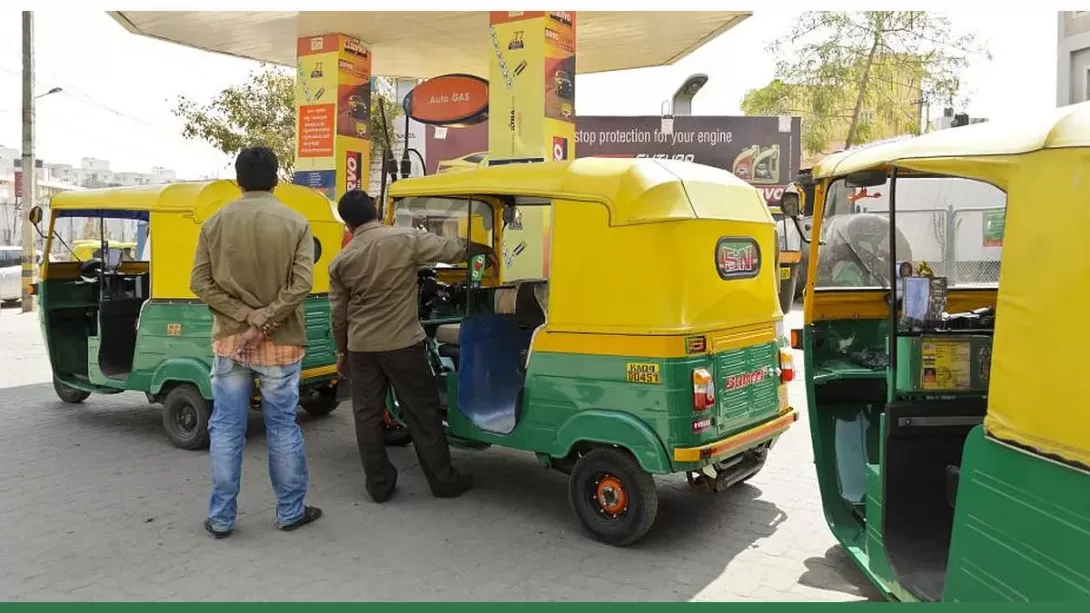
In a move set to impact the city gas distribution sector, the Indian government has announced a reduction in the supply of lower-cost APM (Administered Price Mechanism) gas to key distributors such as Indraprastha Gas Ltd (IGL), Mahanagar Gas Ltd (MGL), and Adani Total Gas Ltd. The supply cut, up to 20%, will be replaced with more expensive gas, further inflating operational costs. The companies warn that this shift may affect their profitability, with potential price hikes in compressed natural gas (CNG) and piped natural gas (PNG) for consumers. This move comes as the production of APM gas continues to decline due to aging fields.
A Shift in Gas Supply: Government Reduces APM Gas Allocation
In an unexpected regulatory shift, the Indian government has significantly reduced the allocation of lower-cost APM gas to city gas distributors, affecting major players like Indraprastha Gas Ltd, Mahanagar Gas Ltd, and Adani Total Gas Ltd. The reduction, effective from April 16, 2025, cuts APM gas supply by up to 20%, replacing it with more expensive New Well Gas (NWG), which is priced higher than the legacy APM gas.
This change comes as a result of the continued decline in the production of APM gas from ageing domestic gas fields, which are seeing a natural decrease in output by approximately 9-10% annually. Although ONGC (Oil and Natural Gas Corporation) is investing in drilling new wells to compensate for this decline, the cost of extracting new well gas has led to an inevitable increase in pricing. APM gas, priced at USD 6.75 per million British thermal units (mmBtu), is now being replaced by NWG, which costs about USD 8 per mmBtu, placing additional pressure on city gas distributors.
Impact on City Gas Distributors
The reduction in APM gas allocation translates directly into higher input costs for city gas distributors, which primarily supply piped natural gas (PNG) to households and compressed natural gas (CNG) to vehicles. Indraprastha Gas Ltd (IGL), which serves the National Capital Region (NCR) and surrounding areas, revealed in a regulatory filing that it had been allocated 20% less APM gas than in previous periods. To offset this shortfall, IGL has been granted a significant increase in the allocation of New Well Gas, which will lead to increased operational expenses.
Mahanagar Gas Ltd (MGL), a leading distributor in Mumbai, similarly reported an 18% reduction in its APM gas supply. As per policy guidelines from the Ministry of Petroleum and Natural Gas, the supply of APM gas to City Gas Distribution (CGD) companies is prioritized for use in residential kitchens (PNG) and transportation (CNG). The reduction in APM gas allocation to MGL, like IGL, will be partially replaced with the more expensive NWG, which will adversely affect the company's profitability. MGL is exploring various strategies to mitigate these impacts, including potential price adjustments.
Adani Total Gas Ltd, a joint venture between Adani Group and TotalEnergies, also confirmed a 15% reduction in its APM gas allocation. Like its counterparts, Adani Total Gas is set to rely on NWG to fill the supply gap, further driving up operational costs and likely leading to higher prices for end consumers. The company has acknowledged the challenges posed by these price hikes and is working on strategies to minimize the adverse financial impact.
Economic Ramifications: Price Hikes on the Horizon
The primary consequence of these supply cuts and the shift to more expensive gas will likely be a price hike in both CNG and PNG. City gas distributors may be forced to pass on some of the increased costs to consumers, potentially leading to higher prices for both household cooking gas and transportation fuel. This could have significant implications for consumers, particularly in urban areas where CNG is a popular choice for public and private transportation.
The price increases could also affect the overall demand for CNG and PNG, as costlier alternatives may prompt some customers to reconsider their usage. For the distributors, these changes could alter their financial outlook, as the higher costs of gas may not always be fully recoverable through price increases, potentially squeezing margins.
Long-Term Outlook: Adjustments and Market Dynamics
While the immediate focus remains on mitigating the profitability impact of the gas supply cuts, the long-term outlook for city gas distributors will depend on several factors. The government is expected to monitor the situation closely, as any further supply reductions could exacerbate the financial pressures on these companies. If the production decline of APM gas continues, NWG will likely become an increasingly significant portion of the gas supply, raising concerns about continued cost increases.
Moreover, the market dynamics within India’s natural gas sector are shifting. With the cost of gas rising, the market for CNG and PNG could be increasingly sensitive to price fluctuations. Companies in the sector, including IGL, MGL, and Adani Total Gas, will need to adapt quickly to ensure they can continue to serve customers while maintaining profitability. This might include further investment in alternative energy solutions, improving efficiency in distribution, or lobbying for favorable regulatory measures to cushion the impact of rising fuel prices.
Conclusion: Navigating the New Gas Landscape
The reduction in APM gas allocation represents a significant challenge for India’s city gas distributors. As production from older gas fields continues to decline, companies will increasingly rely on more expensive new well gas to meet demand. The resulting higher input costs could lead to price hikes, which may in turn impact consumer behavior and the overall profitability of the industry.
City gas distributors such as Indraprastha Gas Ltd, Mahanagar Gas Ltd, and Adani Total Gas Ltd are now faced with the difficult task of balancing the need for cost recovery with consumer affordability. How these companies navigate this challenge in the coming months will be pivotal in shaping their financial performance and their relationships with both consumers and regulators.
As the gas sector adapts to these new realities, the wider implications for the energy landscape in India remain to be seen. Stakeholders across the industry, from producers to consumers, will need to stay agile as the market dynamics continue to evolve.
Comments