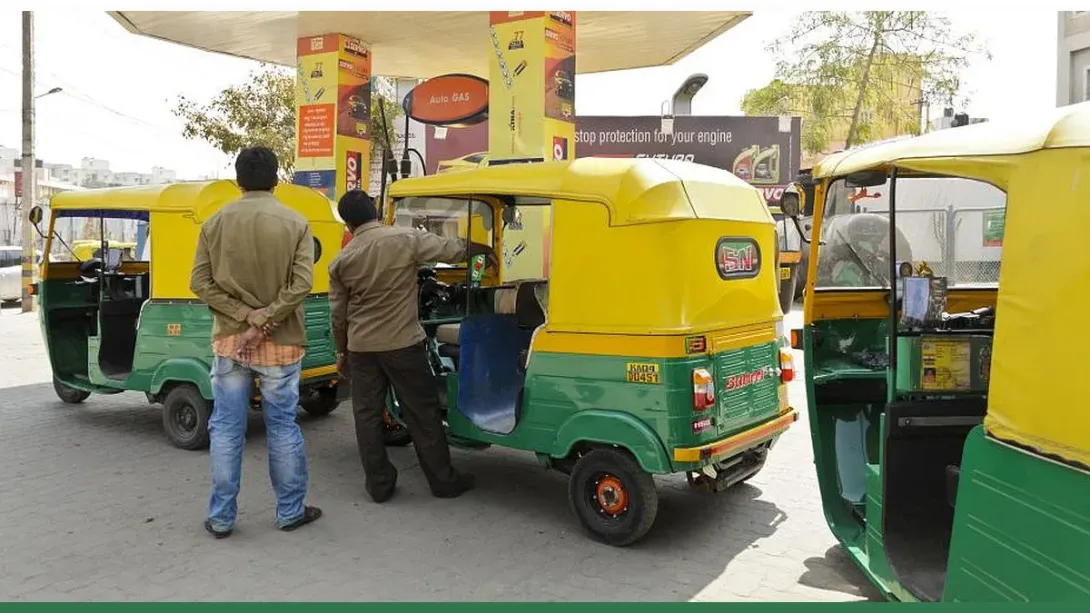
India’s natural gas allocation framework is undergoing a strategic shift as the government prioritizes the supply of domestic gas to critical sectors such as liquefied petroleum gas (LPG) and compressed natural gas (CNG). The policy adjustment reflects a broader effort to stabilize energy availability, control inflationary pressures, and support cleaner fuel adoption across households and urban transport networks. By ensuring a greater share of domestically produced gas flows toward essential consumption segments, policymakers aim to reduce reliance on costly imports while strengthening energy security. Analysts believe the realignment could influence pricing dynamics, industrial fuel access, and long-term investment in India’s rapidly evolving natural gas ecosystem.
Policy Shift Aims to Strengthen Energy Security
India has initiated a recalibration of its domestic natural gas allocation policy, placing LPG and CNG at the top of the priority list for supply. The move is designed to ensure uninterrupted access to essential fuels used widely in households and urban transportation systems.
The revised framework directs a larger portion of domestically produced natural gas toward city gas distribution networks and LPG production facilities. These segments are considered socially and economically critical because they directly impact household energy consumption and urban mobility.
Energy policymakers say the realignment will help stabilize supply chains while mitigating the financial impact of volatile global energy markets.
Boost for Household and Urban Transport Fuel
LPG remains the primary cooking fuel for millions of Indian households, particularly in urban and semi-urban regions. Ensuring a steady supply of domestic gas for LPG production can help moderate costs and maintain reliable distribution across the country.
Similarly, CNG plays a central role in India’s urban transportation ecosystem. Many cities have increasingly shifted public transport fleets, taxis, and private vehicles toward CNG as part of broader efforts to reduce air pollution and dependence on conventional fossil fuels.
By prioritizing these sectors, the government aims to reinforce its commitment to both consumer welfare and environmental sustainability.
Impact on Industrial Gas Consumers
While LPG and CNG segments will receive preferential allocation, other sectors that rely on natural gas—such as fertilizers, petrochemicals, and industrial manufacturing—may experience adjustments in their supply arrangements.
Industrial users often supplement domestic gas with imported liquefied natural gas (LNG), which tends to be more expensive due to international pricing benchmarks and currency fluctuations.
Energy analysts note that although the policy may increase costs for certain industries, the prioritization of essential fuels aligns with broader public policy objectives, including energy affordability and environmental goals.
Managing Price Volatility and Import Dependence
India remains one of the world’s fastest-growing energy consumers, and natural gas demand has expanded significantly in recent years. However, domestic production has not always kept pace with rising consumption.
As a result, the country relies heavily on imported LNG to bridge the supply gap. Global price volatility—often driven by geopolitical tensions, supply disruptions, or seasonal demand spikes—can significantly affect domestic fuel costs.
The revised allocation policy is therefore intended to ensure that limited domestic resources are directed toward sectors with the greatest social and economic importance.
Long-Term Outlook for India’s Gas Economy
The restructuring of gas allocation policy also reflects the government’s broader ambition to expand the role of natural gas in India’s energy mix. Authorities have repeatedly emphasized their target of increasing natural gas usage from roughly 6 percent of the energy mix to about 15 percent over the coming years.
Achieving this goal will require substantial investment in gas exploration, pipeline infrastructure, and city gas distribution networks.
Industry observers believe the latest policy adjustment signals a pragmatic approach to balancing economic growth, environmental considerations, and consumer affordability as India continues to reshape its energy landscape.
Strategic Implications for the Energy Sector
The prioritization of LPG and CNG highlights the government’s attempt to address multiple policy objectives simultaneously—supporting household energy needs, encouraging cleaner transportation, and maintaining stability in the domestic fuel market.
For investors and energy companies, the shift underscores the importance of aligning business strategies with evolving regulatory frameworks.
As India accelerates its transition toward a more diversified and cleaner energy system, policy measures such as this gas allocation realignment are expected to play a crucial role in shaping the future trajectory of the country’s energy sector.
Comments