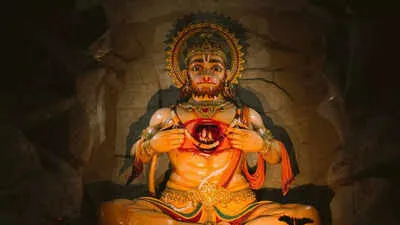
As India prepares for Diwali 2025—the festival of lights that celebrates prosperity, renewal, and triumph of good over evil—devotees also gear up to observe Hanuman Puja, a ritual honoring Lord Hanuman’s strength, devotion, and protection. The confusion surrounding its date—October 19 or 20—has now been clarified by scholars. Hanuman Puja will be celebrated on Sunday, October 19, 2025, coinciding with Naraka Chaturdashi (Chhoti Diwali). The Puja Muhurat is expected to fall between 6:10 PM and 8:25 PM, a period deemed auspicious for invoking divine blessings. The observance holds immense significance, marking a spiritual balance between courage and purity on the eve of Diwali.
Date and Muhurat: Clarity on Hanuman Puja 2025
The confusion over whether Hanuman Puja 2025 falls on October 19 or October 20 arises from variations in the Hindu lunar calendar, which follows the phases of the moon rather than the solar cycle. In 2025, Amavasya Tithi, associated with Diwali, begins at 2:14 PM on October 20 and ends at 11:49 AM on October 21. However, Hanuman Puja aligns with the Chaturdashi Tithi (the 14th day of Krishna Paksha), which occurs on October 19.
Therefore, devotees will perform Hanuman Puja on October 19, while Lakshmi Puja, the centerpiece of Diwali, will be observed the following day on October 20. The distinction is essential for spiritual practitioners and temple authorities, ensuring that each ritual aligns with the appropriate celestial timing.
The Significance of Hanuman Puja During Diwali
Hanuman Puja, celebrated a day before Diwali, is deeply symbolic. It commemorates Lord Hanuman’s protective energy and his role in dispelling negative forces—much like Diwali’s theme of light conquering darkness. According to religious texts, worshipping Lord Hanuman before Diwali purifies the environment, safeguards homes from harm, and prepares devotees spiritually for welcoming Goddess Lakshmi, the harbinger of wealth and prosperity.
In many parts of North and Eastern India, especially in states like West Bengal, Bihar, and Odisha, Hanuman Puja coincides with Kali Puja and Chhoti Diwali, adding another layer of divine reverence to the festive season. The rituals emphasize balance—honoring Hanuman’s courage and Lakshmi’s abundance—a union of strength and prosperity that reflects the deeper philosophy of Hindu spirituality.
Traditional Rituals and Observances
The day begins with an early morning bath followed by Hanuman Aradhana, where devotees chant the Hanuman Chalisa, offer red flowers, sindoor, jaggery, and oil, and light lamps near Hanuman temples. Many devotees observe fasting throughout the day, breaking it only after completing the evening puja.
The Hanuman Puja Muhurat, considered the most auspicious time, usually occurs during the Pradosh Kaal—after sunset but before nightfall—symbolizing the removal of ignorance and fear. Temples dedicated to Lord Hanuman, especially in Varanasi, Ayodhya, Ujjain, and Nashik, witness long queues of devotees seeking blessings for strength, courage, and protection from obstacles.
The Interplay Between Hanuman and Lakshmi Puja
Although Hanuman Puja and Lakshmi Puja occur on consecutive days, their spiritual messages complement each other beautifully. Hanuman symbolizes selfless service, discipline, and inner strength, while Lakshmi represents abundance, wisdom, and prosperity. Performing Hanuman Puja before Diwali is believed to purify one’s mind and home, ensuring that when Goddess Lakshmi arrives the next day, she finds an environment of peace, humility, and positive energy.
This sequence—first invoking protection and strength, then welcoming wealth and wisdom—underscores a broader truth: prosperity flourishes only in the presence of discipline and virtue. This ancient philosophy continues to shape modern interpretations of Diwali, blending spirituality with mindful living.
Economic and Cultural Relevance
While deeply spiritual, Hanuman Puja also drives significant local economic activity. Markets across India experience a surge in the sale of oil lamps, marigold flowers, sweets, and religious offerings, as families prepare for both Hanuman and Lakshmi Pujas. In 2024, festive trade during this period reportedly crossed Rs. 2.6 trillion, and analysts expect a similar or higher figure for 2025, driven by rising consumer confidence and early holiday spending.
Temples and local markets also become centers of social engagement, fostering a sense of unity and shared celebration that transcends socioeconomic boundaries. The combination of spiritual devotion and economic vitality makes the Diwali week one of India’s most dynamic cultural and financial intervals.
The Spiritual Essence of Hanuman Puja 2025
Hanuman Puja is not merely a prelude to Diwali—it is a spiritual preparation for it. As diyas illuminate homes and chants fill the air, the ritual invites devotees to embrace the values of humility, service, and fearlessness. It reminds them that true prosperity is not only measured in wealth but also in inner strength, peace, and moral clarity.
In 2025, as India celebrates Hanuman Puja on October 19, followed by Diwali on October 20, the sequence will stand as a reflection of life’s eternal rhythm: from strength comes faith, from faith comes purity, and from purity arises prosperity.
Comments