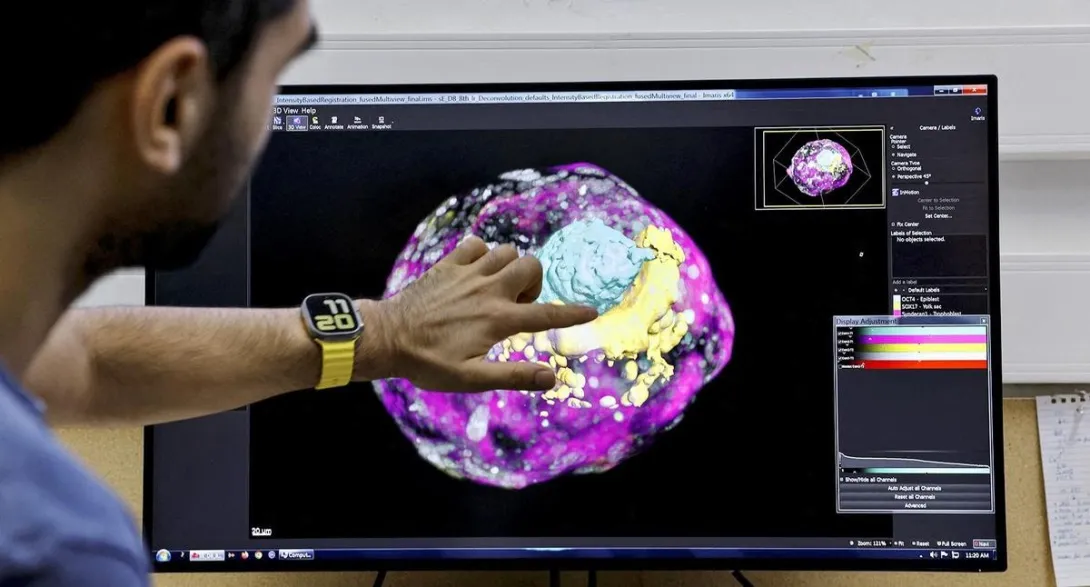
Indian researchers have identified a previously unknown “genetic switch” inside the womb that plays a decisive role in initiating and sustaining pregnancy. The discovery offers valuable insight into how the uterus prepares for embryo implantation, potentially transforming fertility treatment, prenatal care, and the management of early pregnancy complications. By uncovering how specific genes are activated or suppressed at critical moments, the study provides a scientific basis for developing targeted therapies for recurrent miscarriages and implantation failure. This advancement places India at the forefront of reproductive biology and strengthens the global understanding of early human development.
---
A Breakthrough in Reproductive Science
A team of Indian scientists has mapped a crucial genetic mechanism that governs the earliest stages of pregnancy. This “genetic switch,” located within the uterine environment, determines how the womb communicates with an incoming embryo and prepares for its arrival. Researchers found that the activation of this genetic signal initiates changes in the uterine lining, ensuring that it becomes receptive at the right moment.
This discovery is significant because successful implantation depends not only on embryo health but also on the womb’s readiness. Understanding this interaction at the genetic level opens new possibilities for diagnosing and treating early-stage pregnancy disorders.
---
How the Genetic Switch Works
The research highlights how certain genes influence the environment within the uterus by regulating proteins and cellular pathways during implantation. When the switch is turned “on,” the uterine lining thickens, blood supply increases, and molecular signals are released to support embryo attachment. If the switch malfunctions, implantation may fail even if the embryo is healthy.
Scientists also identified the timing of the genetic activity, suggesting that the switch operates within a narrow biological window. Missing this window may be a major reason behind unexplained infertility.
---
Implications for Fertility Treatment
This discovery could reshape how infertility is diagnosed and treated. Currently, many fertility procedures focus primarily on embryo quality. The new findings emphasize the equal importance of uterine genetic readiness.
Future therapies may involve:
Gene-based diagnostic tests to evaluate uterine receptivity.
Precision treatments to activate or regulate the genetic switch.
Personalized implantation timing for patients undergoing IVF.
Such advancements may increase success rates in assisted reproductive technologies, reducing financial and emotional burdens for patients.
---
Potential to Address Recurrent Miscarriages
The study offers new hope for individuals experiencing early pregnancy loss. By identifying genetic factors that destabilize the uterine environment, doctors could develop interventions to strengthen implantation and reduce miscarriage risk.
Early pregnancy complications often lack clear medical explanations. This genetic insight provides a framework for understanding conditions that previously remained a mystery.
---
A Milestone for Indian Scientific Research
The discovery not only advances reproductive science but also highlights India’s growing influence in genetic and biomedical research. As global interest in fertility solutions rises, India’s contribution strengthens its position in cutting-edge developmental biology.
With further analysis and clinical trials, the genetic switch could become a key element in future healthcare innovations, shaping reproductive medicine for generations to come.
Comments