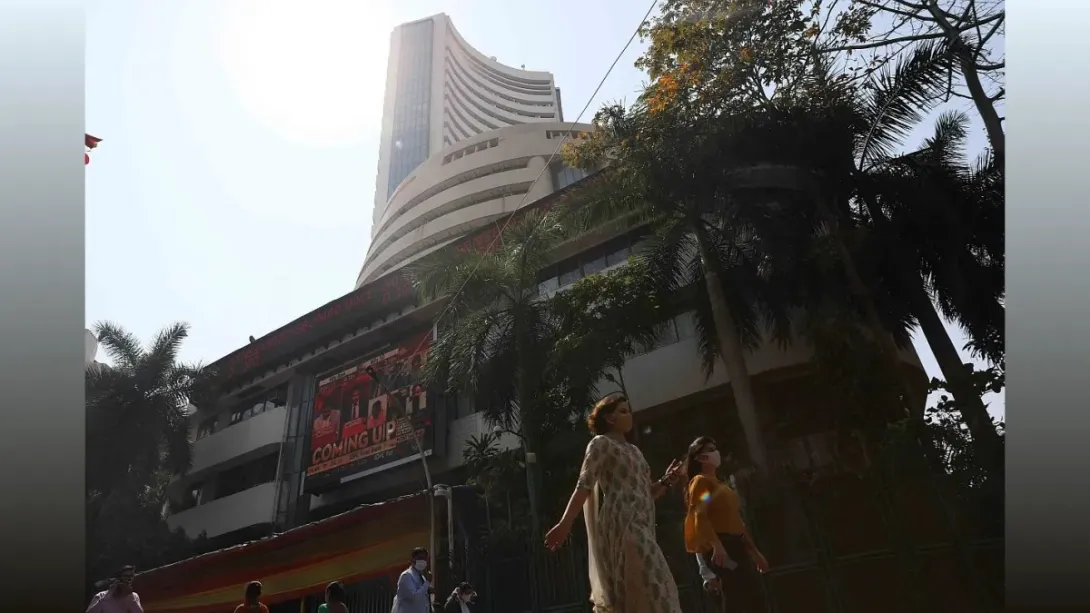
Market participants in India are adjusting to revised settlement schedules as upcoming holidays affect the regular financial calendar. Clearing corporations and stock exchanges have announced changes to the standard settlement dates for equities, derivatives, and commodities, ensuring compliance with statutory holiday rules. The revisions, aimed at avoiding disruptions in trade and fund settlements, have implications for brokers, investors, and institutional players, who must recalibrate their operational and liquidity planning. Analysts emphasize that while such adjustments are routine, they highlight the importance of proactive risk and cash flow management in India’s increasingly dynamic financial ecosystem.
Holiday-Induced Revisions in Settlement Dates
With multiple holidays coinciding in the upcoming weeks, stock exchanges in India have updated their settlement schedules. Market participants should note that trades executed close to these holidays will now follow adjusted T+2 and T+1 cycles, depending on the segment. This ensures that clearing and settlement processes remain uninterrupted, preventing mismatches in fund transfers or securities delivery.
Impact on Investors and Brokers
For retail and institutional investors, revised settlement dates may require recalibration of cash flow and portfolio strategies. Brokers, in particular, must communicate these changes promptly to clients to prevent settlement failures or margin shortfalls. Analysts recommend monitoring official circulars issued by exchanges, which provide precise settlement timelines and trading day adjustments.
Operational and Liquidity Considerations
Revised settlement dates affect not just trade completion but also liquidity management. Fund transfers, margin requirements, and derivative obligations may need rescheduling to align with the new calendar. Financial institutions often leverage these adjustments to optimize liquidity deployment and minimize operational risk.
Looking Ahead: Routine Yet Crucial Adjustments
While holiday-induced settlement revisions are standard practice, they underscore the need for meticulous planning within India’s financial markets. Investors and market intermediaries who proactively adapt to these adjustments can avoid operational disruptions and maintain smooth transactional flows, reaffirming the resilience of India’s financial infrastructure.
Comments