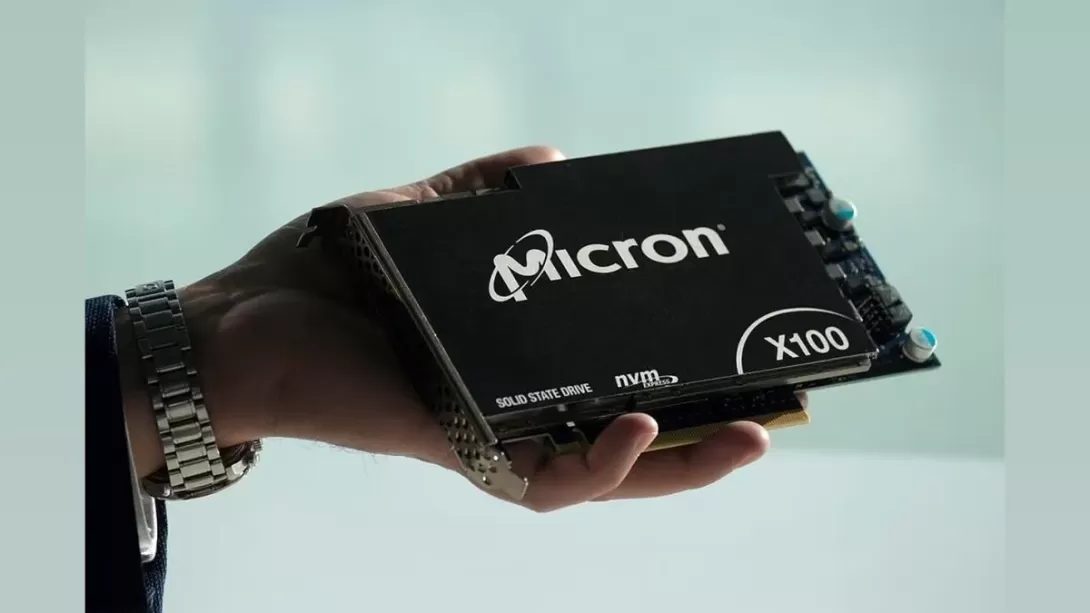
In a significant stride to strengthen India’s high-tech manufacturing capabilities, the government has sanctioned the establishment of two new Special Economic Zones (SEZs) dedicated to semiconductor and electronic components production. The approvals, granted to Micron Semiconductor Technology India and Hubballi Durable Goods Cluster (Aequs Group), mark a major push towards fostering domestic manufacturing ecosystems and bolstering India’s position in the global electronics supply chain. This move aligns with recent amendments to SEZ regulations aimed at catalyzing investments in these capital-intensive sectors, creating high-skilled employment opportunities and reducing import dependency.
Key SEZ Proposals and Investment Details
Micron Semiconductor Technology India is poised to establish a sprawling SEZ facility spanning 37.64 hectares in Sanand, Gujarat. This ambitious project carries an estimated investment of Rs. 13,000 crore, underscoring the government’s commitment to nurturing semiconductor manufacturing capabilities in India. Simultaneously, Aequs Group’s Hubballi Durable Goods Cluster will develop an SEZ in Dharwad, Karnataka, across 11.55 hectares with an initial investment of Rs. 100 crore. This facility will cater to the production of electronic components, complementing Micron’s semiconductor manufacturing plans.
The Ministry of Commerce confirmed that the Board of Approval for SEZs has approved both proposals, citing the easing of SEZ rules to incentivize high-tech investments as a key enabler for these developments.
Eased SEZ Rules to Catalyze High-Tech Growth
Recognizing the unique challenges of semiconductor and electronics component manufacturing—which demand significant capital, extended gestation periods and global integration—the government has amended SEZ rules to promote pioneering investments in these sectors.
A notable change reduces the minimum contiguous land area requirement for SEZs in these sectors to 10 hectares, a substantial decrease from the previous 50-hectare stipulation. Additionally, goods received and supplied on a free-of-cost basis will now be counted in Net Foreign Exchange (NFE) calculations, addressing key operational challenges for these capital-intensive ventures.
Enhanced Domestic Supply Capabilities
In a bid to further strengthen domestic capabilities, amendments to Rule 18 of the SEZ Rules now permit SEZ units engaged in semiconductor and electronic component manufacturing to supply goods domestically after payment of applicable duties. This change is expected to integrate SEZ-based manufacturing more seamlessly into India’s broader economy, fostering domestic linkages while retaining export competitiveness.
The Ministry emphasized that these regulatory reforms will invigorate the semiconductor and electronics ecosystem in India, paving the way for high-skilled job creation and technology-driven economic growth. These amendments were officially notified by the Department of Commerce on June 3, 2025.
Looking Ahead
The establishment of these SEZs marks a decisive step in India’s journey to becoming a global hub for advanced manufacturing, leveraging strategic regulatory support and private sector investments. As these projects take shape, they are poised to drive innovation, reduce supply chain vulnerabilities and position India at the forefront of the global semiconductor and electronics landscape.
Comments