India’s banking sector has reinforced its risk management architecture, enhancing overall system stability, according to a recent assessment by Fitch Ratings. The improved framework reflects tighter regulatory oversight, stronger capital buffers, and more disciplined credit underwriting by lenders. These measures have collectively reduced systemic vulnerabilities and improved the sector’s ability to absorb shocks. Fitch noted that healthier balance sheets and better asset quality position Indian banks to support economic growth while navigating global uncertainties. The assessment underscores a structural shift toward prudence and resilience after years of reform and balance sheet repair.
Enhanced Risk Management Supports Stability
Fitch highlighted that Indian banks have made meaningful progress in strengthening risk governance and internal controls. Improved monitoring of asset quality, more conservative provisioning practices, and stricter exposure limits have contributed to a more robust operating environment.
These changes have helped lenders better anticipate potential stress, reducing the likelihood of sudden deterioration in loan portfolios.
Capital and Liquidity Buffers Improve
According to the rating agency, capital adequacy levels across the banking system have improved, supported by retained earnings and capital infusions where needed. Stronger liquidity positions have also reduced funding risks, particularly during periods of market volatility.
Analysts said these buffers provide banks with greater flexibility to manage credit cycles and support lending growth without compromising financial stability.
Asset Quality Shows Sustained Improvement
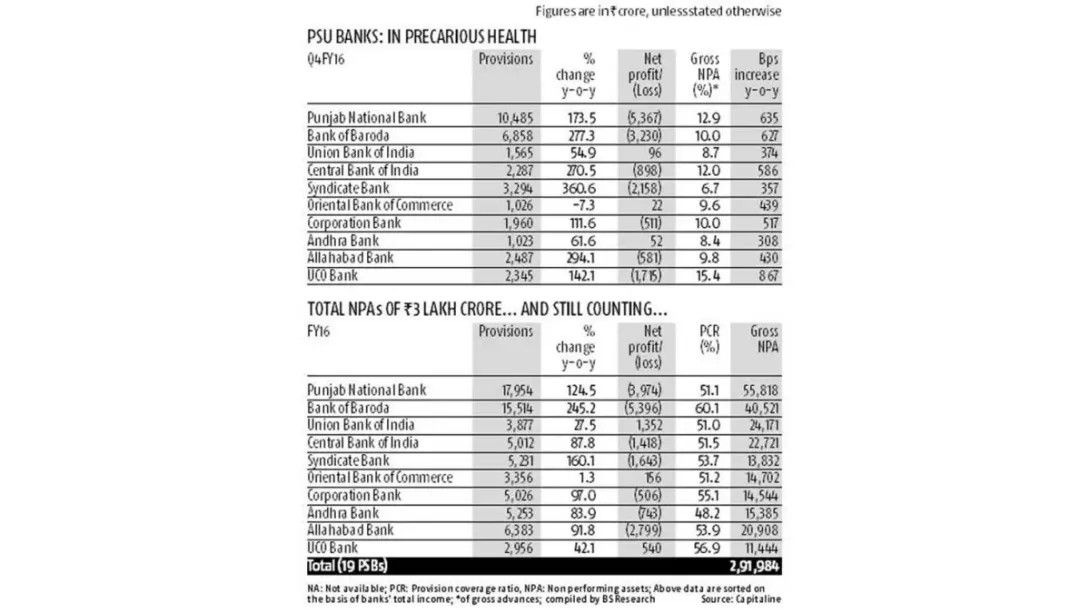
Fitch noted that non-performing assets have continued to trend lower, reflecting improved recovery mechanisms and disciplined loan origination. Enhanced resolution frameworks and faster recognition of stress have further strengthened asset quality metrics.
The progress marks a departure from earlier cycles marked by elevated stress and delayed recognition of problem loans.
Regulatory Oversight Remains a Key Anchor
India’s regulatory environment has played a central role in reinforcing banking sector resilience. Tighter supervision, regular stress testing, and clearer disclosure requirements have increased transparency and accountability across the system.
Market participants view regulatory consistency as a critical factor in sustaining confidence among investors and depositors.
Outlook: Positioned for Sustainable Growth
Fitch’s assessment suggests that India’s banks are better positioned to withstand external shocks and support the economy’s credit needs. While challenges such as global financial volatility and sector-specific risks remain, the strengthened risk framework provides a solid foundation.
Comments