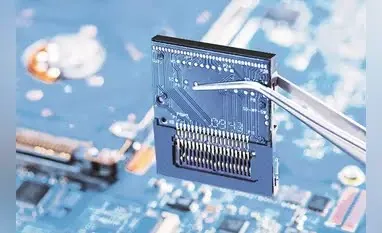
In a sign of growing confidence in India’s electronics manufacturing roadmap, the Centre has attracted investment proposals worth nearly Rs. 8,000 crore under its dedicated scheme for electronic components and semiconductors. This surge of interest underscores New Delhi’s intensified push to bolster local production capacities, reduce strategic import dependencies, and position the country as a formidable node in the global technology supply chain. With proposals spanning advanced sub-assemblies to critical passive components, policymakers and investors alike view this momentum as pivotal to achieving India’s ambitious electronics export targets and enhancing long-term economic resilience.
A Deliberate Pivot to Strengthen Core Electronics Ecosystem
At the heart of this policy thrust is the realization that merely assembling finished gadgets is insufficient to secure India’s place in global value chains. True competitiveness demands robust local manufacturing of components — from chip packaging and display units to connectors and micro-electromechanical systems (MEMS).
The scheme, formally known as the Scheme for Promotion of Manufacturing of Electronic Components and Semiconductors (SPECS), offers calibrated financial incentives to firms investing in such upstream segments. By lowering entry costs and improving return expectations, the government aims to build a foundational industrial base that can sustain future innovation and exports.
Rs. 8,000 Crore in Investment Proposals: A Promising Signal
Officials confirmed that proposals aggregating close to Rs. 8,000 crore have been received, reflecting keen interest from both domestic conglomerates and global technology players. These projects encompass diverse product verticals including multilayer printed circuit boards, specialized resistors and capacitors, and even advanced camera modules.
Such breadth indicates a healthy appetite to localize production across the electronics spectrum — not merely in low-margin, high-volume segments but also in sophisticated components that typically underpin higher value addition.
Macro-Economic Stakes: Reducing the Electronics Trade Deficit
India’s electronics import bill remains one of its largest after crude oil, exerting persistent pressure on the current account. In FY23 alone, electronics imports crossed Rs. 5 lakh crore, led by semiconductors and sub-assemblies that domestic firms have yet to master at scale.
By incentivizing component manufacturing, the government seeks to claw back a portion of this outflow, directly improving the trade balance while also insulating the economy from geopolitical supply disruptions — a risk laid bare by recent semiconductor shortages and escalating U.S.-China tech tensions.
Potential Upsides for Investors and Ancillary Industries
For equity markets and private investors, this manufacturing pivot creates new thematic opportunities across capital goods, specialty chemicals (used in PCB etching and semiconductor processing), and logistics. Ancillary sectors such as industrial automation, testing labs, and cleanroom services are also poised for derivative growth.
Asset managers tracking India’s industrial transformation are increasingly factoring electronics into their long-term allocation models, viewing it alongside green energy and digital infrastructure as a multi-decade structural story.
A Note of Caution: Navigating Execution and Global Competition
However, realizing these ambitions is not without headwinds. Establishing a mature component ecosystem demands not just incentives, but also highly skilled labor pools, intellectual property protections, and seamless regulatory clearances. Global majors weigh these factors carefully, often benchmarking against incentives in Vietnam, Malaysia, or Eastern Europe.
Moreover, sustaining investor confidence will require predictable policy continuity. Industry observers will closely watch how swiftly approvals materialize, how effectively compliance norms are managed, and whether state-level facilitation aligns with central objectives.
Concluding Thought: Laying Strong Foundations for a Technological Future
Ultimately, the Rs. 8,000 crore in proposals underlines that India’s targeted policy mix is beginning to resonate with industry. By focusing on core components — the invisible arteries of modern electronics — the country isn’t just chasing assembly-line jobs but nurturing an ecosystem that could anchor its broader technological ambitions.
For investors, entrepreneurs, and policymakers alike, the coming years will test whether these green shoots can mature into a resilient, globally competitive electronics sector — one that meaningfully strengthens India’s balance of trade and fortifies its strategic autonomy in an increasingly tech-contested world.
Comments