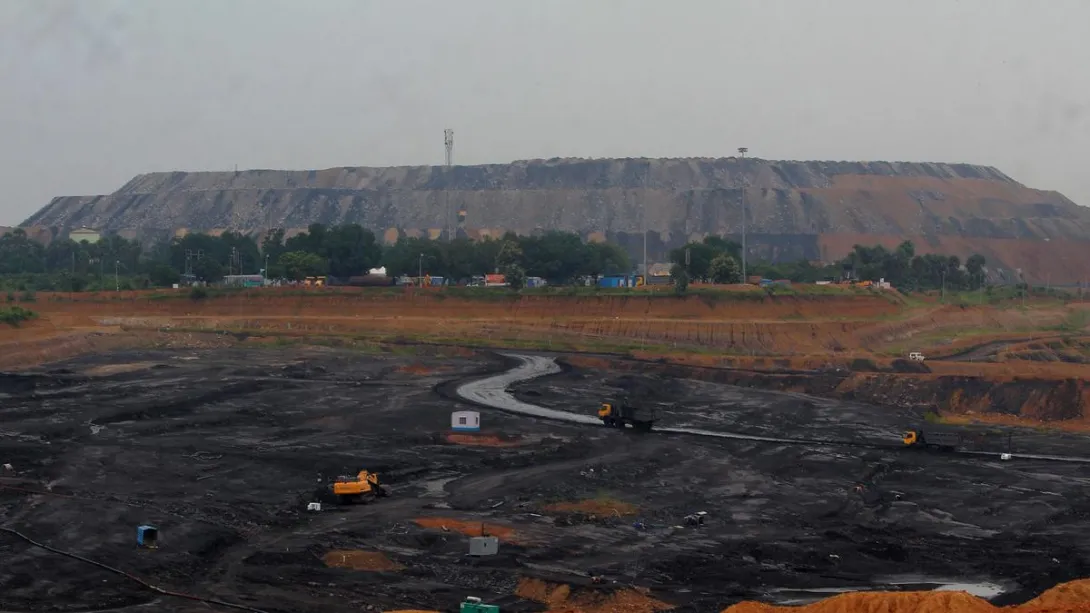
India’s industrial production expanded by 4% in August 2025, signaling resilience in mining and electricity, yet revealing strains within manufacturing. Mining surged 6% and electricity rose 4.1%, while manufacturing slipped to 3.8%—down from the previous month’s robust pace. Only 10 of 23 manufacturing sub-sectors reported positive growth, with consumer non-durables plunging 6.3%, pointing to subdued demand. In contrast, infrastructure and capital goods provided stability. The uneven performance highlights a divide between investment-driven growth and weakening household consumption, raising concerns for policymakers navigating fragile demand dynamics ahead of the festive season.
Industrial Performance in August
India’s Index of Industrial Production (IIP) registered a 4% year-on-year increase in August 2025, moderating from July’s revised 4.3%. The overall growth masked a divergence between the three key components:
Mining rose 6%, rebounding from earlier weakness.
Electricity generation advanced 4.1%, reflecting higher seasonal demand.
Manufacturing slowed to 3.8%, a sharp decline from July’s 6%.
The slowdown in manufacturing underscores the vulnerabilities in consumer demand, even as core infrastructure and investment-oriented sectors remain firm.
Manufacturing Sector: Gains and Losses
Among 23 tracked manufacturing categories, less than half showed expansion. Major contributors included:
Basic metals, up 12.2%
Motor vehicles, trailers, and semi-trailers, up 9.8%
Refined petroleum products, up 5.4%
However, demand for daily-use goods faltered:
Consumer non-durables fell 6.3%, signaling weak household spending.
Consumer durables managed a modest 3.5% rise, far below earlier momentum.
The contraction in non-durables is particularly significant, as it reflects stress in mass consumption and rural demand—two critical drivers of India’s growth story.
Use-Based Analysis: Investment Holds Steady
A breakdown by use category paints a clearer picture of economic priorities:
Capital goods expanded 4.4%, though slower than in July.
Infrastructure and construction goods surged 10.6%, underscoring robust government and private sector investment.
This contrast reveals a growth model increasingly dependent on large-scale projects and capital expenditure, while consumer-facing segments lose steam.
Structural Drivers Behind the Trends
Base Effects and Mining Recovery
Mining’s rebound was amplified by a favorable base effect, as output in the same period last year was subdued. Sustaining this trend will require consistent investment and demand from energy-intensive sectors.
Consumer Caution and Policy Anticipation
The steep fall in non-durables suggests households may be postponing purchases, possibly in anticipation of GST rate adjustments or seasonal spending closer to festivals.
Global Headwinds
Export-linked industries remain vulnerable to slowing global demand, fluctuating commodity prices, and supply chain bottlenecks, which could constrain future manufacturing growth.
Policy Implications and Outlook
The divergence between investment-driven growth and consumer weakness poses a delicate challenge. Policymakers must strike a balance: encouraging household demand without overstimulating inflation, while ensuring continued capital spending.
The upcoming festive season may provide some relief, as pent-up demand and seasonal consumption could lift non-durables. If supported by tax reforms and rural spending, manufacturing could recover part of its lost ground.
For now, India’s industrial trajectory remains uneven—buoyed by investment but hindered by fragile consumption, making the next quarter a crucial test of resilience.
Comments