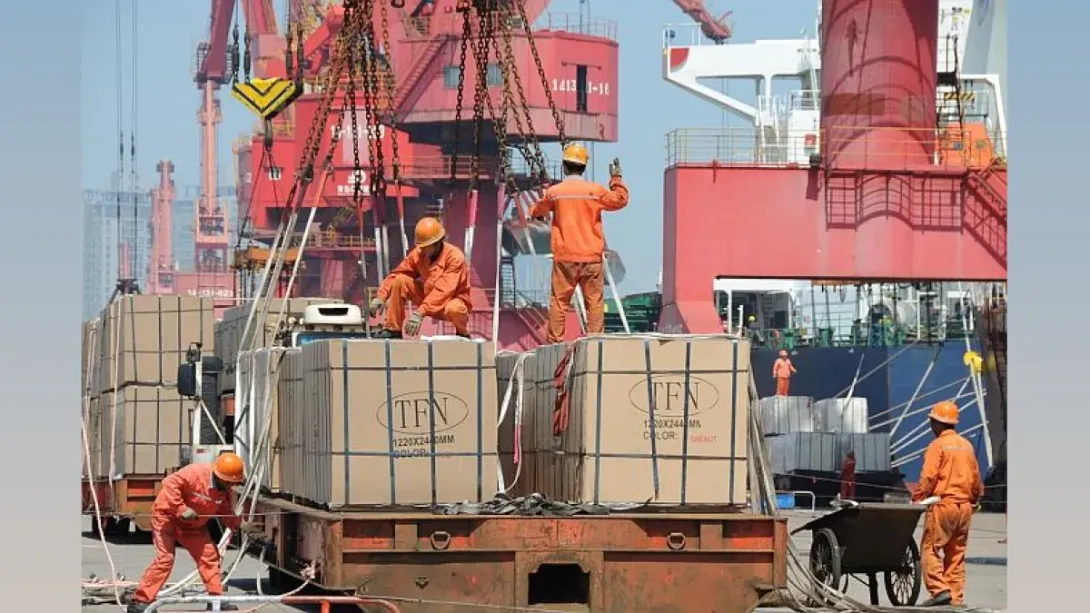
India’s marine export industry is witnessing renewed strength as shipments to non-U.S. markets surge, offsetting softer demand from traditional buyers. Driven by rising consumption in Asia, the Middle East, and parts of Europe, exporters are capitalizing on diversified product portfolios, competitive pricing, and improved cold-chain logistics. The shift reflects a strategic reorientation within the seafood sector as companies look to reduce overdependence on the United States, historically India’s largest marine export destination. With evolving consumer preferences and stable global supply dynamics, analysts expect India’s marine export growth to remain resilient, reinforcing the sector’s contribution to national trade performance.
Marine Export Growth Rebalances Amid Global Shifts
India’s seafood exporters have reported a notable increase in shipments to markets outside the United States, signaling a strategic rebalancing of global trade flows. While the U.S. continues to remain a key destination, exporters have increasingly diversified toward newer regions amid changing demand patterns and competitive pressures.
Industry executives observe that stronger orders from Asia-Pacific markets and select European nations have helped sustain export momentum, even as U.S. buyers adopt a more cautious procurement approach due to inventory adjustments and macroeconomic uncertainties.
Rising Demand Across Emerging Markets
Exporters attribute the uptick in non-U.S. shipments to robust demand for shrimp, cuttlefish, squid, and value-added seafood products across emerging markets. Countries in Southeast Asia and the Middle East have expanded their import volumes, supported by growing consumer incomes and rising preference for protein-rich diets.
In Europe, demand has remained steady, aided by specialty retailers and restaurant chains seeking reliable sourcing options. Indian suppliers have benefitted from their ability to meet stringent quality norms while offering competitive pricing through economies of scale.
Strategic Diversification Strengthens Industry Resilience
The shift toward a broader global customer base reflects a deliberate effort by Indian marine exporters to reduce reliance on the U.S. market, which historically accounts for a significant share of total seafood shipments. With global trade becoming increasingly volatile, exporters have emphasized geographic diversification as a long-term risk-management strategy.
Enhanced processing capacities, improvements in traceability, and wider adoption of sustainable aquaculture practices have also bolstered India’s competitiveness in new and emerging markets.
Supply Chain Improvements Lift Export Competitiveness
Investments in cold-chain infrastructure, modernized processing units, and streamlined port operations have enabled faster turnaround times and reduced wastage. These improvements have strengthened India’s position as a dependable sourcing hub for premium marine products.
Industry analysts note that exporters are increasingly focusing on value-added offerings—such as ready-to-cook and seasoned products—to cater to evolving consumer preferences in global retail markets.
Outlook: Sustained Growth Expected Despite Headwinds
Despite lingering cost pressures and fluctuating global logistics costs, India’s marine export sector appears well-positioned for sustained performance. Diversification into non-U.S. markets, combined with technological innovation and stronger quality controls, provides a stable foundation for continued expansion.
Comments