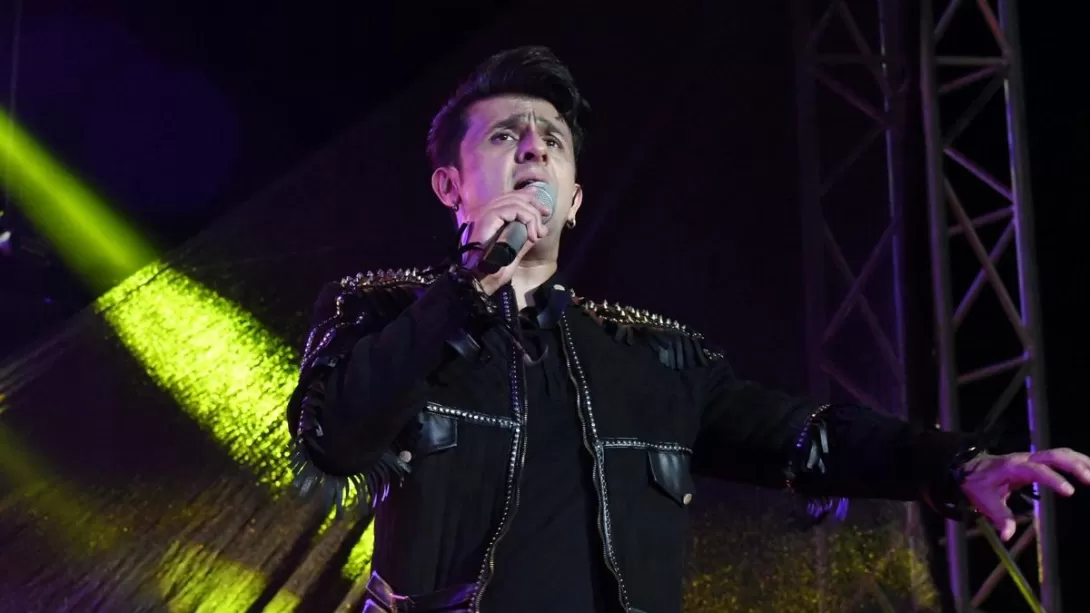
The Karnataka High Court on May 15, 2025, issued an interim order restraining Bengaluru police from initiating coercive action against noted singer Sonu Nigam, provided he cooperates with the ongoing investigation into an FIR filed against him. The case stems from a complaint alleging that Nigam made objectionable remarks during a college concert, following audience demands for Kannada songs. The Court permitted Nigam to appear via video conferencing for questioning, while also questioning the legal merit of the FIR. The incident, widely circulated on social media, has since sparked regional debate around language, artistic freedom, and audience conduct.
Legal Context: FIR and Allegations
The FIR against Sonu Nigam was filed by Kannada activist Dharma Raj Ananthaiah, citing Sections 351(2), 352(1), and 353 of the Bharatiya Nyaya Sanhita (BNS), pertaining to criminal intimidation, intentional insult, and incitement to public mischief. The complaint was based on media reports following a live concert at an engineering college, where Nigam was allegedly provoked by individuals demanding he sing Kannada songs.
The petitioner, represented by legal counsel, challenged the FIR’s legal standing, arguing that the concert continued peacefully and that the remarks lacked the intent or effect to provoke disorder.
High Court's Interim Relief and Observations
Justice Shivashankar Amarannavar, presiding over the case, granted interim protection to Nigam from any coercive action, noting that the event in question was streamed live and remains publicly available. The judge emphasized that cooperation from the singer is essential, while ruling that police cannot finalize their investigation report without due process.
The Court further permitted Nigam to appear via video conferencing if the Investigating Officer (IO) requires his statement. Should an in-person deposition be necessary, the Court instructed that the IO must travel to Mumbai at Nigam’s expense, rejecting the police’s insistence on the singer’s physical presence in Bengaluru.
Singer's Clarification and Public Response
Shortly after the controversy erupted, Nigam released a video explaining his side of the incident. He stated that his response during the concert was directed at certain individuals who made repeated, disruptive demands early in the performance. He emphasized that he performed several Kannada songs later in the event and expressed his respect for the language and its speakers.
Initially defending his remarks, Nigam later issued an apology titled “Sorry Karnataka,” underscoring that his intention was not to disrespect the state or its linguistic identity.
Broader Implications: Artistic Expression vs. Regional Sentiment
The incident has reignited a long-standing discourse around the intersection of regional pride and artistic freedom. While demands for local language representation are valid in culturally diverse states like Karnataka, coercing artists during performances has raised questions about decorum, free speech, and artistic integrity.
Legal experts have noted that invoking criminal provisions over artistic expressions—especially in absence of actual disturbance or harm—may set a troubling precedent unless balanced with constitutional protections for free expression.
Conclusion: Awaiting Legal Closure Amid Public Scrutiny
As the investigation continues under judicial oversight, the Karnataka High Court’s interim relief for Sonu Nigam underscores the importance of procedural fairness and measured interpretation of criminal law in matters involving public figures and expression. The case has not only highlighted legal boundaries but also reflected evolving public expectations in a digital age where every utterance is amplified in real time.
Whether the incident fades quietly or influences policy around performance-related regulations remains to be seen—but for now, it has become a flashpoint in the ongoing negotiation between cultural sensitivity and creative autonomy.
Comments