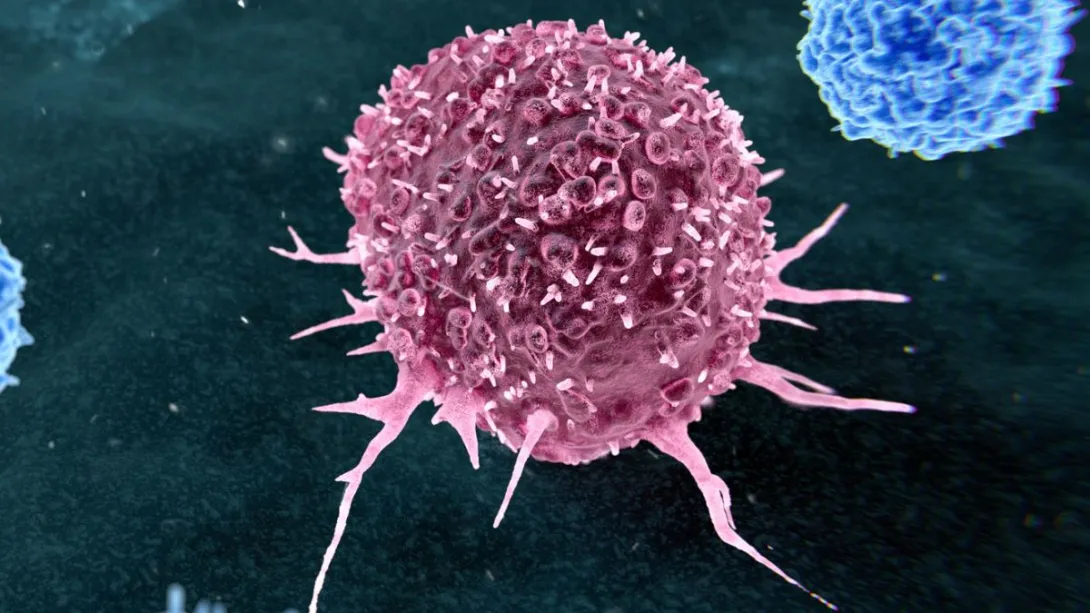
Lifestyle factors are increasingly shaping the global discourse on cancer, as new research reinforces the link between everyday habits and long-term disease risk. From diet and physical activity to sleep patterns, alcohol consumption and environmental exposure, evidence suggests that a significant share of cancer cases may be influenced by modifiable behaviors. Public health authorities and policymakers are responding with renewed emphasis on prevention, early intervention and awareness. The shift marks a broader transition in cancer strategy—one that complements medical innovation with lifestyle-based risk reduction, carrying implications not only for public health outcomes but also for healthcare costs and economic productivity.
The Growing Focus on Lifestyle and Cancer
Cancer has long been associated with genetic predisposition and environmental exposure. However, mounting scientific evidence highlights the role of lifestyle choices in influencing cancer risk across populations.
Studies increasingly point to factors such as poor nutrition, physical inactivity, tobacco use, excessive alcohol intake and chronic stress as contributors to several common cancers. This evolving understanding is reshaping how governments and healthcare systems frame prevention strategies.
Diet, Activity and Everyday Habits
Nutrition and physical activity remain central to the lifestyle-cancer discussion. Diets high in processed foods and low in fiber have been linked to higher cancer risk, while regular exercise is associated with improved metabolic health and reduced inflammation.
Public health campaigns now emphasize incremental changes—balanced diets, routine movement and adequate sleep—as realistic interventions with measurable long-term benefits.
Economic Implications of Preventive Health
From an economic standpoint, lifestyle-driven prevention carries substantial potential savings. Cancer treatment places a heavy burden on healthcare budgets, with costs running into several lakh crore rupees globally each year.
Reducing preventable cases could ease pressure on public health systems, lower insurance costs and preserve workforce productivity. Employers and insurers are increasingly investing in wellness initiatives as a form of risk mitigation.
Policy, Awareness and Behavioral Change
Governments are exploring policy tools such as clearer food labeling, tobacco and alcohol regulation and urban planning that promotes physical activity. These measures reflect a recognition that individual choices are shaped by broader social and economic environments.
Education and awareness remain critical, particularly in addressing disparities where access to healthy options is limited by income or geography.
Prevention as a Long-Term Strategy
While advances in oncology continue to improve survival rates, experts argue that prevention deserves equal attention. Lifestyle-focused strategies do not replace medical treatment but complement it, offering a sustainable approach to reducing cancer incidence over time.
As the evidence base grows, the intersection of lifestyle and cancer is likely to remain a central pillar of public health policy—where informed choices today can translate into healthier populations tomorrow.
Comments