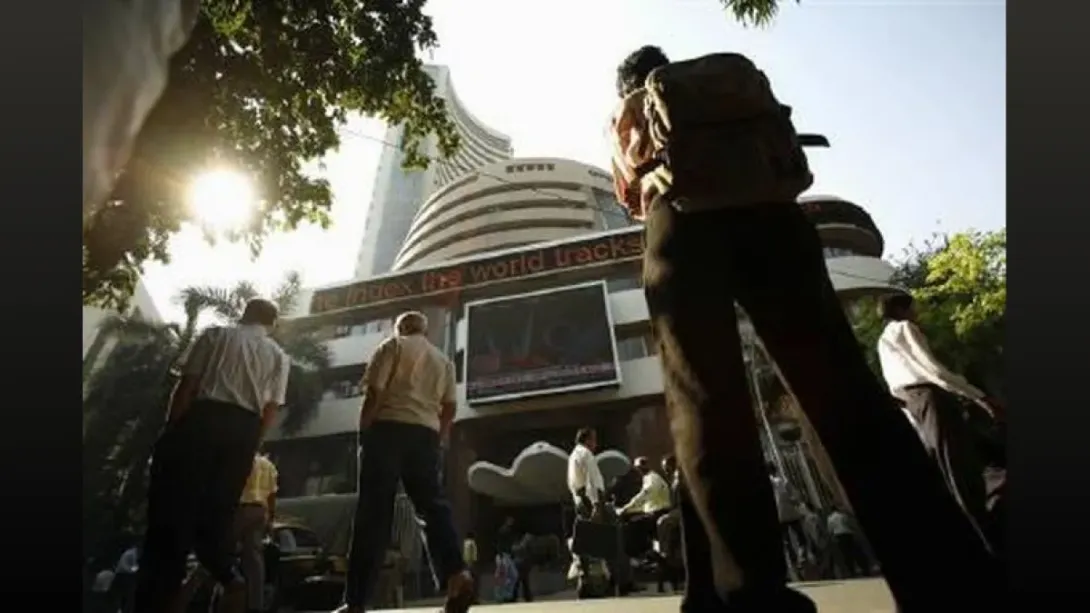
India’s equity benchmarks surged to unprecedented levels as buoyant investor sentiment, resilient macroeconomic indicators, and strong institutional flows powered a broad-based rally. The Sensex and Nifty closed at their highest levels on record, reflecting renewed confidence in corporate earnings, stable inflation trends, and expectations of policy continuity. Gains were led by banks, technology majors, and capital-intensive sectors, while mid-cap and small-cap indices also advanced steadily. Robust participation from domestic investors and improving global risk appetite further reinforced the market’s upward momentum. The rally positions the Indian stock market as one of the world’s most dynamic equity destinations.
Markets Scale New Peaks
India’s stock markets witnessed a decisive upward breakout, with both the Sensex and Nifty 50 ending at lifetime highs. This milestone underscores the market’s resilience amid shifting global dynamics and signals that investors are increasingly anchoring their expectations on long-term economic expansion and stronger earnings visibility.
The rally was supported by broad participation across sectors, affirming that the upswing was not limited to a handful of index-heavyweights but was reflective of underlying market strength.
Drivers Behind the Record-Breaking Rally
Strengthening Macroeconomic Fundamentals
Moderating inflation, robust GST collections, and stable industrial output contributed to improved market conviction. Investors interpreted these indicators as signs that domestic demand remains firmly intact, while India’s fiscal positioning appears well managed in the current environment.
Institutional and Retail Investor Momentum
Steady inflows from domestic institutional investors, coupled with continued retail enthusiasm, provided significant liquidity support. Foreign portfolio investors, who had previously adopted a cautious stance, turned selective buyers as global risk sentiment improved.
Corporate Earnings Outlook Remains Constructive
Market participants expect corporate India to deliver double-digit earnings growth over the next few quarters, driven by expanding credit cycles, capital expenditure revival, and steady consumption. Banking, IT services, and energy companies were among the biggest contributors to index gains.
Sectoral Performance and Market Breadth
Banking and financial services stocks led the charge, buoyed by healthy credit growth and improving asset quality. Technology majors advanced as global commentary on IT spending stabilized. Capital goods, metals, and infrastructure also recorded notable gains thanks to strong order books and government-led investment momentum.
Broader markets mirrored the buoyancy of frontline indices. Mid-cap and small-cap segments, often seen as barometers of risk appetite, registered healthy advances, indicating investor willingness to move beyond defensive positioning.
Global Cues and External Influences
International markets provided a supportive backdrop as concerns around aggressive monetary tightening eased. Softer commodity prices and signals of stabilization in major economies reinforced the case for stronger emerging-market allocations, with India standing out due to its superior earnings trajectory and policy stability.
Investor Sentiment and Market Outlook
Sentiment remains constructive in the near term, though analysts caution that periodic corrections are likely as valuations in some segments stretch beyond historical averages. Nevertheless, the structural narrative—driven by domestic consumption, manufacturing expansion, digital transformation, and capital formation—continues to attract both long-term investors and tactical traders.
Going forward, markets will track inflation prints, corporate quarterly results, and central bank commentaries for directional cues. While short-term volatility cannot be ruled out, India’s long-term equity story appears firmly intact.
Comments