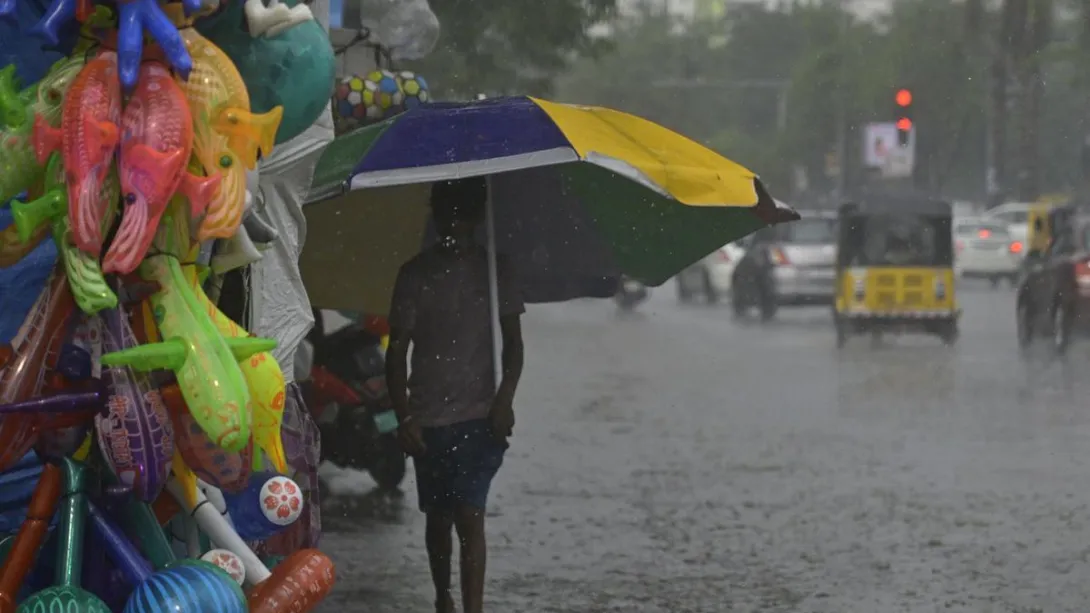
With the onset of monsoon and forecasts predicting continued rainfall across Telangana, state health officials have issued a comprehensive advisory to prevent a surge in seasonal diseases. The advisory, released by the Department of Public Health and Family Welfare, warns of increased risk of vector-borne, water-borne, and airborne infections such as dengue, malaria, typhoid, gastroenteritis, and influenza. Citizens are urged to take proactive preventive measures, ranging from mosquito control to hygiene practices. Simultaneously, government health facilities have been strengthened with essential supplies, medical personnel, and emergency protocols to address a potential uptick in public health cases.
Rising Health Risks Amid Rainfall
The India Meteorological Department (IMD) has predicted persistent light to moderate showers across Telangana for the coming week, with heavy rainfall alerts in effect for the immediate 48 hours. In response, the state's public health infrastructure is bracing for an expected increase in seasonal illnesses.
Cooler temperatures and heightened humidity create an environment conducive to the proliferation of disease-carrying vectors, particularly mosquitoes. The state health advisory emphasizes vigilance against illnesses like dengue, chikungunya, malaria, viral fevers, and other monsoon-linked infections.
Preventing Vector-Borne Diseases
The advisory outlines an urgent need to suppress mosquito breeding. Citizens are encouraged to adopt practical safeguards at home and in the community. These include:
- Installing mosquito nets or mesh on doors and windows
- Using bed nets during sleep, especially for children
- Regular application of mosquito repellents
- Preventing water stagnation in household drains and containers
- Covering septic tanks with mesh
- Observing “Dry Day Friday” weekly to eliminate water collection in pots, buckets, and discarded items
Such efforts are aimed at disrupting mosquito lifecycles and limiting the spread of vector-borne diseases, which tend to spike during the monsoon.
Water Safety and Food Hygiene
Rain-related contamination of water sources is a known cause of diseases such as jaundice, typhoid, and acute gastroenteritis. The Health Department advises:
- Drinking only boiled or filtered water
- Thorough handwashing before meals and after using the restroom
- Avoiding consumption of outside food, especially items that are stale, uncovered, or poorly stored
These precautions are particularly critical in areas with a history of seasonal water-borne outbreaks, where food safety and sanitation infrastructure may be under pressure.
Containing Airborne Infections
With influenza and viral fevers also on the rise during the wet season, the government has urged citizens to maintain respiratory hygiene. Key measures include:
- Avoiding physical contact like handshakes if feeling unwell
- Frequent use of hand sanitizers
- Coughing or sneezing into a handkerchief or elbow
- Promptly seeking medical attention at nearby government facilities for flu-like symptoms, which include fever, sore throat, headache, and body aches
These measures are not only about individual protection but also serve to limit community transmission, especially in urban and densely populated areas.
Public Health Infrastructure Mobilized
To ensure healthcare readiness, the state has scaled up services at all public health facilities. Emergency preparedness includes:
- Designated hospital beds for monsoon-related cases
- Readily available intravenous fluids and essential medicines
- Distribution of Oral Rehydration Salts (ORS)
- Deployment of Accredited Social Health Activists (ASHAs), Auxiliary Nurse Midwives (ANMs), and Anganwadi workers with medical kits
These personnel will serve as the first line of defense, particularly in remote and underserved areas, ensuring that intervention is swift and locally accessible.
In the event of medical emergencies, citizens are reminded to dial the '108' ambulance service for immediate assistance.
Final Thoughts
As Telangana continues to experience seasonal rainfall, the focus on preventive public health measures becomes vital. The proactive approach taken by the state health department, coupled with citizen awareness and cooperation, could significantly mitigate the impact of monsoon-related diseases. With well-coordinated community action and strengthened healthcare systems, the region can navigate the season with resilience and minimal disruption to public health.
Comments