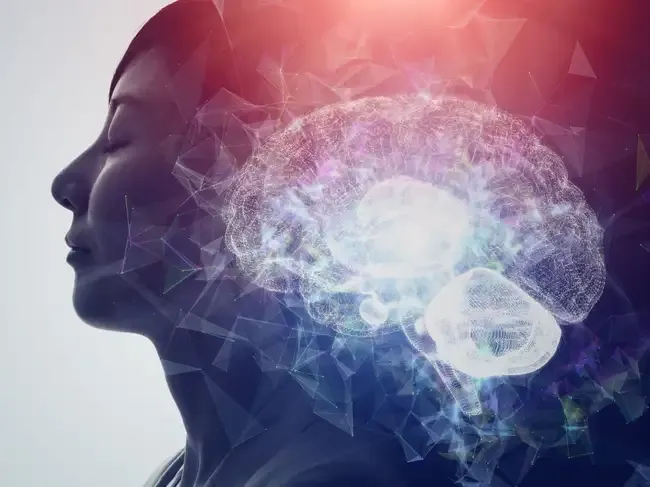
Emerging scientific research indicates that regular engagement in creative activities—such as painting, writing, crafting, music, and innovative problem-solving—may significantly slow the natural aging of the brain. Neuroscientists report that creative stimulation enhances neural connectivity, reduces cognitive decline, and improves mental resilience in older adults. As global populations age and healthcare systems face rising neurological burdens, these findings have captured the attention of policymakers, educators, and financial planners. The research positions creativity not merely as a recreational interest but as a strategic investment in long-term cognitive health, with implications for workforce longevity, healthcare expenditure, and overall economic productivity.
Creative Engagement Emerges as a Protective Shield for the Aging Brain
Recent studies conducted by leading neurological institutes highlight that creative activities activate multiple regions of the brain simultaneously. This neural “cross-training” strengthens pathways that typically weaken with age. Activities such as drawing, designing, storytelling, or even learning a musical instrument can promote neuroplasticity—the brain’s ability to form new connections, adapt to change, and maintain function despite age-related decline.
Researchers note that creativity does not merely delay cognitive impairment; it also enhances emotional well-being, reduces stress, and contributes to higher life satisfaction—factors that collectively support healthier aging trajectories.
Economic and Societal Implications of Cognitive Longevity
Economists and public health specialists increasingly emphasize the financial value of maintaining cognitive health in aging populations. As life expectancy rises, countries may face growing healthcare costs linked to dementia and age-associated neurological conditions. Promoting creative engagement could help mitigate future spending by delaying or reducing the severity of cognitive decline.
Additionally, older adults who maintain cognitive sharpness remain active contributors to local economies—whether through extended workforce participation, entrepreneurial ventures, or mentoring roles. This reinforces the argument that investments in creative programs are not merely cultural enhancements but long-term economic assets.
From Hobby to Health Strategy: The Science Behind Creativity
Neuroscientific research shows that creativity involves coordinated activity across the prefrontal cortex, hippocampus, and limbic system. These areas support memory, attention, emotional regulation, and strategic thinking. When individuals engage in tasks that require imagination or innovative reasoning, they stimulate brain regions that often deteriorate with age.
For example:
Visual arts encourage detailed observation and motor coordination.
Music strengthens auditory processing and sequencing skills.
Writing enhances linguistic networks and emotional processing.
Crafts activate sensory-motor integration and promote mindfulness.
These findings underline that creativity is not an optional pastime but a cognitive workout with measurable benefits.
Policy Momentum and Public Health Recommendations
Given the mounting evidence, several public health bodies have begun encouraging adults—especially those over 50—to incorporate creative practices into their daily routines. Community centers, retirement institutions, and digital learning platforms are expanding access to low-cost creative programs, recognizing their potential to serve as preventive healthcare.
Beyond individual benefits, communities that foster creative engagement experience improved social cohesion, reduced loneliness, and increased participation in cultural and educational activities.
A Holistic Path Forward
As the global dialogue shifts toward healthier and more productive aging, creativity is emerging as a powerful, low-cost, and widely accessible tool. By integrating artistic and imaginative activities into daily life, societies stand to gain not only improved neurological outcomes but also richer cultural environments and stronger economies.
Comments