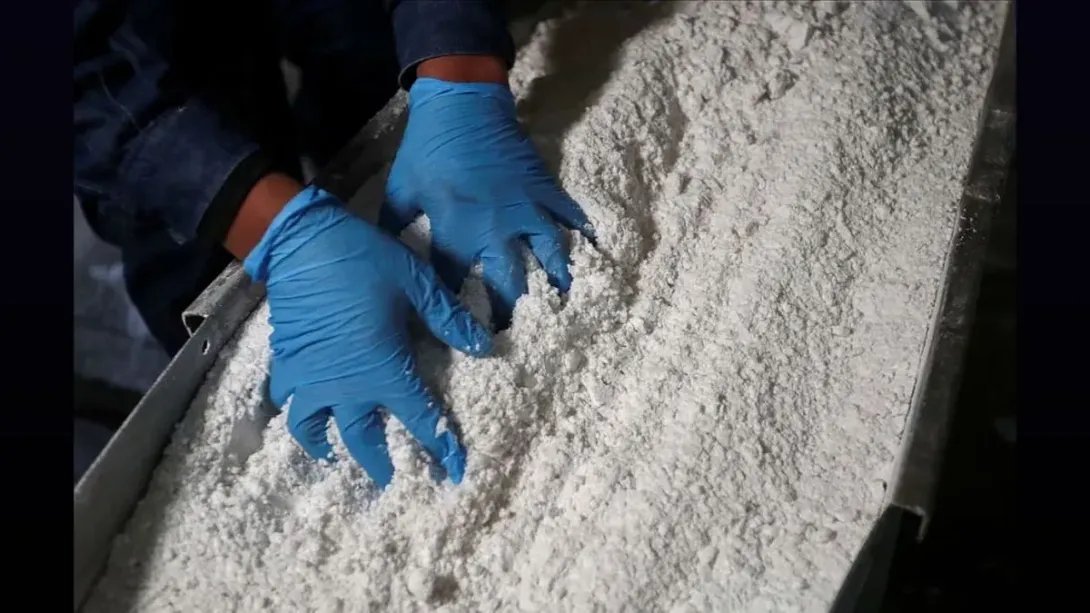
In a decisive move to bolster its position in the burgeoning electric mobility and energy storage sectors, NLC India Ltd. is preparing to source lithium from Russia. The initiative is aimed at insulating the company from volatile global supply chains while supporting India’s ambitious transition to clean energy. By tapping into Russia’s rich mineral reserves, NLC India intends to diversify its resource portfolio and reduce dependence on traditional markets. This partnership not only highlights the evolving contours of India-Russia economic ties but also underscores the critical role of strategic mineral alliances in shaping the future of global energy security.
---
Pivoting Toward Critical Mineral Security
As nations race to secure supplies of key minerals essential for the energy transition, lithium has emerged as one of the most sought-after resources. For India, which is aggressively pushing for electric vehicles and large-scale battery storage systems, securing a steady stream of lithium is no longer a luxury—it is an imperative.
NLC India Ltd., traditionally known for its lignite mining and power generation operations, has begun repositioning itself in line with global clean energy priorities. By forging plans to procure lithium from Russia, the company is signaling a clear departure from its coal-centric legacy toward a diversified mineral strategy that anticipates future market needs.
---
Deepening India-Russia Resource Partnership
Russia’s vast lithium deposits, largely underexplored and ripe for development, present a timely opportunity for Indian companies looking to mitigate risks associated with concentrated supply chains. While Latin American nations have long dominated global lithium production, geopolitical uncertainties and logistical constraints have prompted importers to broaden their supplier base.
NLC India’s move dovetails with New Delhi’s broader diplomatic and economic engagement with Moscow. Beyond defense and hydrocarbons, this resource alignment in critical minerals illustrates a new chapter in bilateral cooperation. Such partnerships can offer India more predictable long-term contracts, stable pricing mechanisms, and potential joint ventures in downstream processing.
---
Strengthening India’s Clean Energy Ambitions
For India to meet its goal of having 30% of private vehicles run on electricity by 2030, the need for robust battery manufacturing is undeniable. Lithium, a key component of lithium-ion batteries, lies at the heart of this vision. Ensuring uninterrupted availability will help anchor India’s gigafactory plans, support domestic EV producers, and reduce the country’s staggering oil import bill.
NLC India’s proactive approach could also catalyze technology transfer and skill development, laying the groundwork for indigenous battery supply chains. This, in turn, may stimulate ancillary industries, foster employment, and solidify India’s stature as an emerging hub for energy storage solutions.
---
Navigating Risks and Future Pathways
While the prospects are promising, the strategic tilt toward Russian lithium does come with complexities. Currency volatility, shifting sanctions regimes, and the logistical intricacies of transporting minerals across continents will require meticulous planning and diplomatic finesse.
However, by diversifying its sources early and forging direct agreements, NLC India positions itself to navigate future market disruptions more effectively. It also sets a precedent for other Indian public sector enterprises to adopt forward-looking mineral procurement policies.
---
Conclusion: A Calculated Bet on Tomorrow’s Economy
NLC India’s pivot to secure lithium from Russia marks a significant inflection point—not only for the company but for India’s broader resource security strategy. It reflects a mature acknowledgment that the global energy paradigm is shifting, and those who secure critical minerals today will drive the clean economies of tomorrow. In the long run, such calculated international engagements could prove pivotal in propelling India toward its aspirations of sustainable growth and technological leadership.
Comments